We work to ensure that residents’ rights are effectively realized, combating violations and inequalities and building qualified dialogue with public authorities and society.

The main objective of Policy Advocacy is to foster structural and everyday changes in public policies, strengthening social participation, access to rights, and the construction of solutions grounded in the realities and potential of the territory.

Methodology


Our work is based on constant dialogue with the structuring axes and facilities of Redes da Maré, combining:


1. Systematization of Data and Narratives


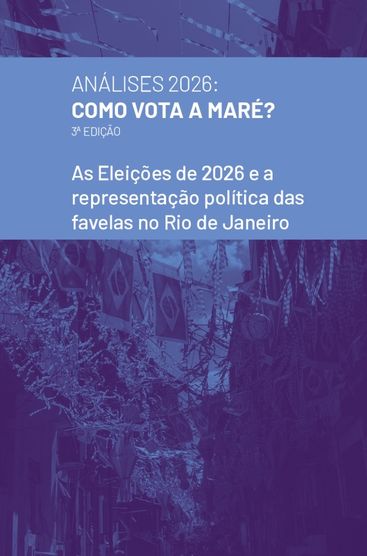
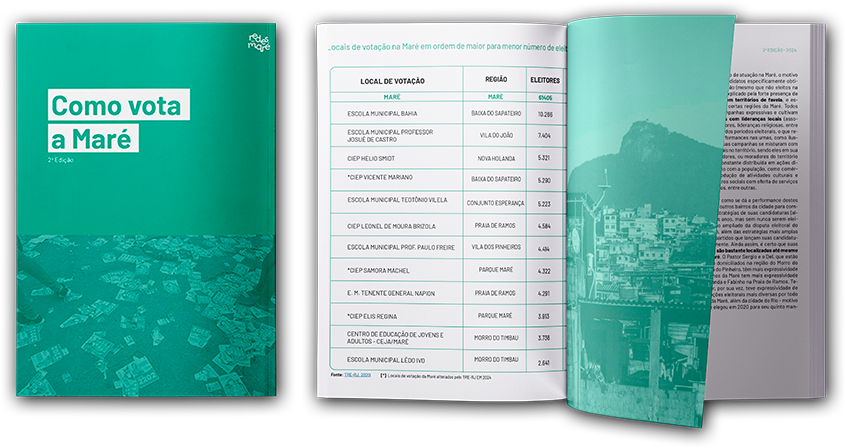
We generate information on areas such as health, mental health, public security, education, and culture, strengthening arguments for political action. Publications such as How Maré Votes and sectoral analyses underpin our work and amplify the voices of the favela.


2. Strategic Litigation

We develop impact litigation strategies to advance, through the Judiciary, central agendas to confront omissions and systematic violations of rights. This front involves the work of Redes da Maré as amicus curiae in judicial proceedings of social relevance and collective interest, presenting specific data on the experience of residents of favela territories, aiming to influence judicial decisions and promote social change.

We monitor lawsuits such as:

  • Maré Public Civil Action (public security);
  • Public Civil Action on basic sanitation in Nova Holanda;
  • Actions in cases of national scope, such as ADPFs 635 (Public Security) and 989 (Legal Abortion), before the Federal Supreme Court (STF).


We also participate in international human rights processes and forums, such as:

  • UN Universal Periodic Review Council;
  • UN Committees on the Rights of the Child and the Rights of Women;
  • G20 Social and Washington Brazil Office;
  • Submission of reports to consultative processes and review cycles.


3. Dialogue with Public Authorities

We act in direct articulation with public bodies, rights councils and sectoral councils, and decision-makers at the municipal, state, and national levels, focusing on influencing public policies and expanding social participation in decision-making processes. Currently, we take part in the following spaces of social participation:

Local Councils:

  • Management Councils of the Maré Health Units;
  • District Council of CAP 3.1;
  • Local Social Assistance Commission;
  • Community Council of the 22nd Integrated Public Security Area (AISP).

Rights Councils:

  • Municipal Council for the Rights of Children and Adolescents;
  • Municipal Council for Women’s Rights;
  • Municipal Council of Favelas;
  • Municipal Council for Food and Nutrition Security;
  • Municipal Anti-Drugs Council.


4. Mobilization of Local Actors

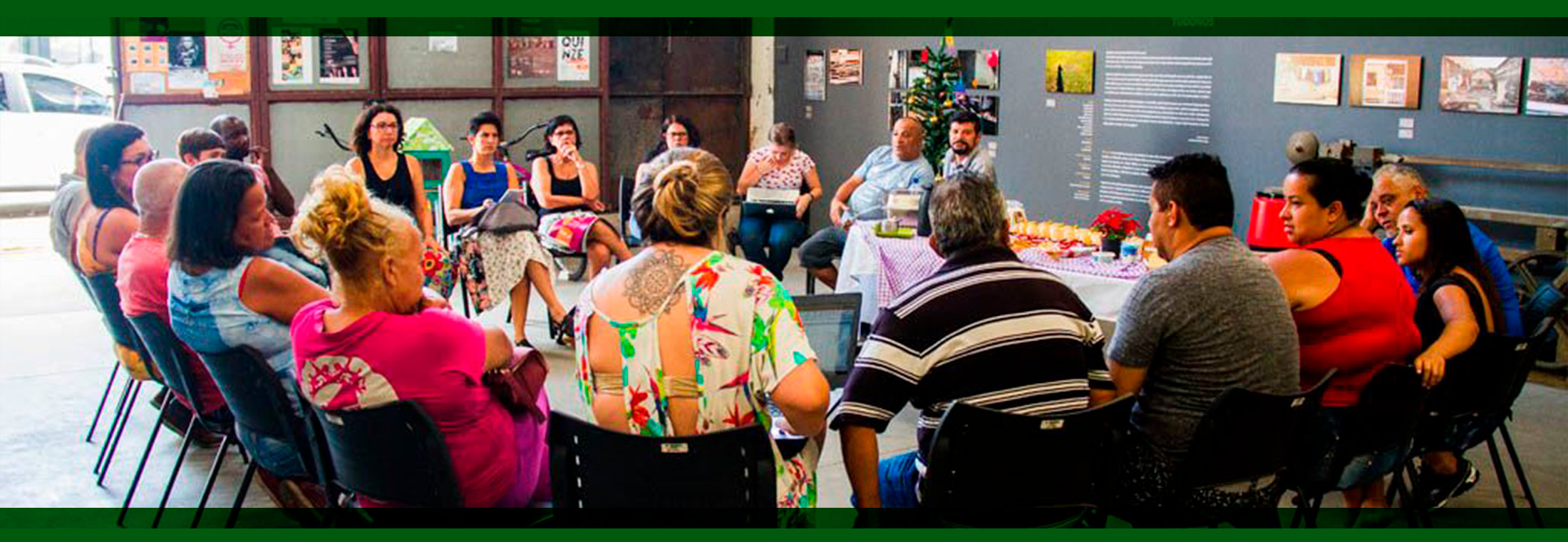
We strengthen the participation of residents and community organizations in collective action processes to generate improvements aligned with the interests of the territory and promote broader social change based on local autonomy and engagement. We carry out this front through actions such as:

  • Maré Residents’ Associations Forum;
  • Meetings with election candidates;
  • Mobilization events, such as Giro Maré – 30 years of the Maré neighborhood;
  • Atenda – Set of Integrated Actions;
  • Conversations and Advocacy Actions;
  • Training in Policy Advocacy;
  • Participation in the Black Women of Maré forum;
  • Participation in the ethnomathematics forum.

STRATEGY


In addition to monthly meetings to monitor the axes/facilities of Redes da Maré, we strengthen a monthly space for dialogue and training with practitioners engaged in policy advocacy actions, to reflect on methodologies, strategies, and experiences arising from our work.

In 2025, we strengthened the Strategic Litigation Council of Redes da Maré, composed of lawyers (see list below), specialists from different fields of Law, willing to support and provide pro bono mentorship to the teams of Redes da Maré, in order to strengthen Strategic Litigation methodologies and actions at the local, national, and international levels.

Policy Advocacy Actions of Redes da Maré


2023 – Book of Responses
Faced with the threat of a militarized intervention in Maré, residents’ associations and Redes articulated an alternative proposal, demanding more public policies rather than repression. The Federal Government accepted the demands, and a working group prepared the Book of Responses, presented at a ceremony with Fiocruz. The document systematized social demands and represented an advance in democratic dialogue between the State and favelas.


2022 – Nova Holanda Sanitation Public Civil Action
Brought by the Public Prosecutor’s Office after complaints, with mobilization by Redes da Maré and residents. After nearly 13 years, the action was decided favorably, recognizing the community’s right to basic sanitation. Redes da Maré remains as amicus curiae, monitoring the process to ensure that measures are effectively implemented.


2022 – Vacina Maré Campaign
A partnership between Fiocruz, the City Hall, and Redes da Maré promoted mass vaccination against Covid-19. In four days, 36,000 residents received the first dose, later reaching 93% of the adult population with two doses. The campaign articulated prevention actions, distribution of food baskets, generation of local income, and support for Maré artists during the pandemic.


2021–2023 – Maréas Project and IUD Insertion
In view of the low level of information about contraception, the Women’s House of Maré mobilized hundreds of residents for consultations and IUD insertion, in partnership with Nosso Instituto. The project served more than 1,200 women and contributed to Maré clinics regularly offering the method, expanding access to long-acting contraception.


2020–2021 – Maré Says NO to Coronavirus Campaign

An initiative of Redes da Maré during the Covid-19 pandemic to confront the humanitarian and health crisis that severely affected peripheral and favela populations due to historical social inequalities in these territories. The campaign operated through action fronts related to Redes da Maré’s working methodology, especially food security and access to health care, health protection, and prevention. Its impacts were significant. In 2020, 17,648 families were assisted with the delivery of food baskets and personal hygiene and cleaning kits, in addition to 65,000 meals distributed to people experiencing homelessness. This campaign became an example of community mobilization, with the participation of a broad set of actors and the consolidation of an unprecedented solidarity network.


2019 – Participation in the “ADPF das Favelas”
Redes da Maré participated in the action filed before the Federal Supreme Court (STF) against police violence, articulated with favela movements and the PSB party. During the pandemic, it resulted in a historic decision by Minister Edson Fachin, restricting police operations in favelas to exceptional cases. Despite challenges, it consolidated an unprecedented rapprochement between favelas and the Judiciary at the national level.


2018–2024 – Normal Space and a Reference in Care for the Homeless Population
Created as a space for coexistence and care for people experiencing homelessness and drug users, it promotes welcoming, listening, and harm reduction. During the pandemic, it distributed meals and supported vaccination. Over the years, it expanded partnerships, engaged in policy advocacy, and faced challenges such as increased demand and the withdrawal of public services, consolidating itself as a hub of resistance and care.


2016 – Maré Public Civil Action
It arose after a police operation marked by serious violations, reported by Redes da Maré and residents. In partnership with the Public Defender’s Office, the action sought to reduce violence in operations, resulting in achievements such as restrictions on nighttime warrants, mandatory ambulance presence, cameras in vehicles, and GPS. It became a legal landmark in the defense of residents’ rights.


2013 – Maré Census and Maré on the City Map
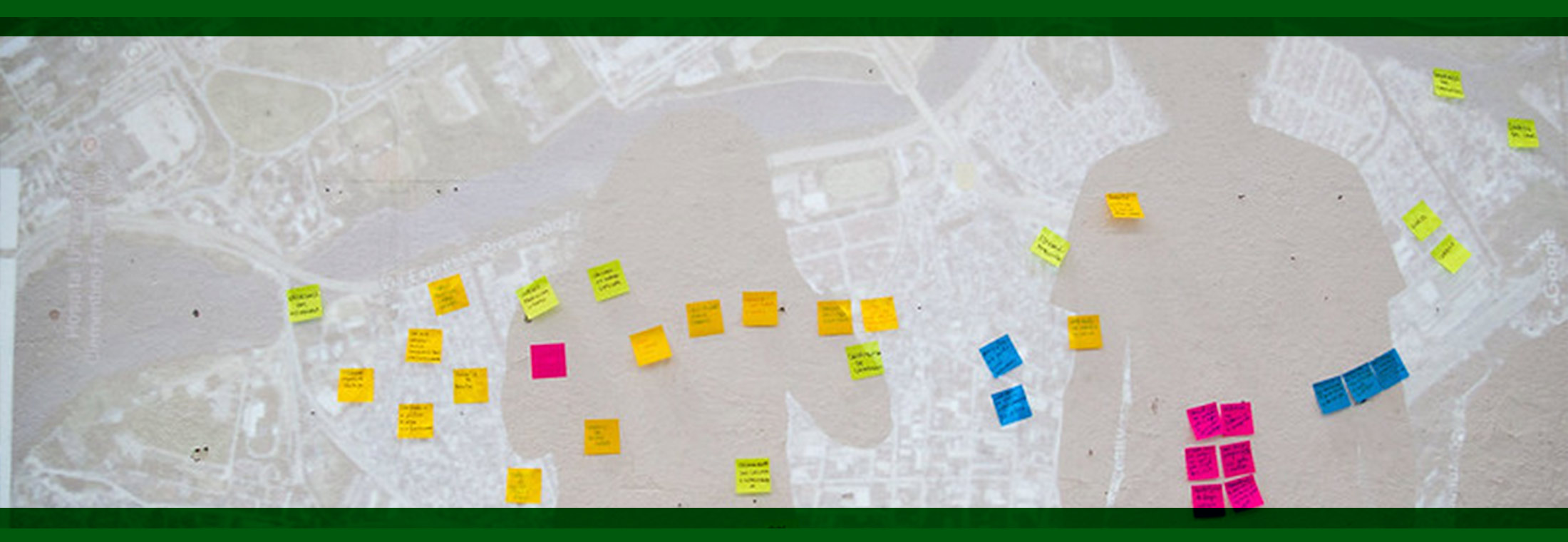
Conducted by Redes da Maré and the Observatório de Favelas with residents’ associations, it filled gaps in the IBGE Census and mapped streets and alleys in Maré. The survey resulted in the incorporation of the Maré Map into the official registry and the production of strategic data that supported public policies. It became an essential instrument for research and future projects.


2012–2016 – Recognition of Maré Streets

The process of official recognition of Maré’s public thoroughfares is the result of a collective articulation involving social mobilization, production of territorial knowledge, and political pressure on public authorities. The starting point was in 2012, with the launch of the 1st Maré Street Guide by Redes da Maré, bringing together detailed information on existing thoroughfares. This guide was later updated and expanded in 2014, strengthening the technical and political basis for address regularization processes and making evident the absence of official names and ZIP codes on many streets in the region. Subsequently, articulations with the city government took place, aiming to advance the regularization of thoroughfares, involving residents, local organizations, residents’ associations, and community leaders. The effort culminated in the publication of several municipal decrees between 2016 and 2017, which officially recognized various localities in Maré.


2010–2018 – Creation of New School Units
In 2010, the collective The Maré We Want delivered to the then mayor a document systematizing the results of discussions among the leadership of Maré’s Residents’ Associations, with a joint proposal for structural transformations in the region. In education, the demand was to increase the number of schools for Early Childhood Education, High School, and Youth and Adult Education. In 2018, the group organized a second document with updated proposals. The expansion of municipal schools in recent years is the result of public education policies related to the National Education Plan 2014–2024, but also, and mainly, of the mobilization of residents and local institutions. As a result, the local public network expanded from 22 to 49 schools, strengthening access to formal education for the population of Maré.

Team


Coordination: Lidiane Malanquini

Analysts: Moniza Rizzini and Lia Manso

Policy Advocacy Technicians: Levi Germano and André Galdino

Strategic Litigation Council of Redes da Maré

Ana Paula Sciammarella (UNIRIO Legal Practice Center). Professor at UNIRIO and Advisor to the Vice-Rector’s Office. PhD and Master’s degree from the Graduate Program in Sociology and Law at UFF.

Bianca dos Santos Waks (Mattos Filho Law Firm). Law degree from PUC-SP and Master’s in Philosophy of Law from Universidad Pablo de Olavide, Seville, Spain.

Daniela Fichino (Justiça Global). Law degree from the State University of Rio de Janeiro (2010) and Master’s in Law and Development from Fundação Getúlio Vargas (2012).

Djefferson Amadeus (Institute for the Defense of the Black Population – IDPN). Criminal and electoral lawyer. Master’s in Law and Philosophical Hermeneutics with emphasis on criminal procedure (UNESA-RJ). Postgraduate degree in Criminal Procedure (ABDCONST). Postgraduate degree in Philosophy (PUC-RJ).

Gabriel Carvalho Sampaio (Conectas). Master’s in Criminal Procedural Law from PUC-SP. Specialist in Criminal Sciences from UNISUL/LFG.

Gabriela Rondon (Anis). Bachelor’s and Master’s in Law from UnB. PhD in Law from UnB.

Mariana Trotta (Luiza Mahin Popular Legal Assistance Center, UFRJ). Law degree (2002) and Master’s in Law (2005) from PUC-Rio. PhD from the Program in Social Sciences in Development, Agriculture, and Society (CPDA/UFRRJ).

Taiguara Libano Soares (UFF and IBMEC). Law degree from UFF (2008), Master’s in Theory of the State and Constitutional Law from PUC-Rio (2010), PhD in Law from PUC-Rio (2015).

Marilson Santana (UFRJ). Law degree from the Federal University of Bahia (1998), Master’s in Law from the University of Brasília (2004), and PhD in Social Sciences from PUC-Rio (2016).

Stay tuned! Sign up for our newsletter