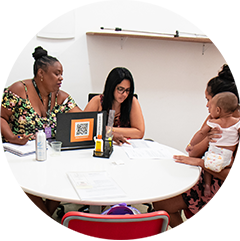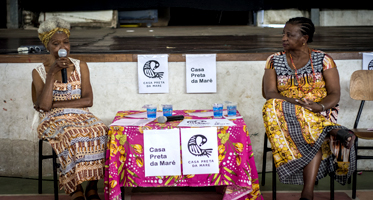
With the goal of strengthening the rights of this population within the territory, the Black House invests in training and political advocacy to address ethno-racial issues in Maré. Since its creation in 2019, around 20 projects have already been implemented. The educational process includes the creation of the Racial Literacy School, workshops, discussion circles, and actions in early childhood schools.

The center also works to promote the redefinition of racial relations, seeking strategies that facilitate Black people's access to public policies, especially in the field of education. It also maintains networks and mobilizations with institutions from the territory, the city, and other states.

Its main proposal is to recognize Maré as a Black territory, both because of the racial profile of its population and due to its social, cultural, and historical practices. Activities are designed to promote horizontal knowledge exchange, encouraging international discussions on themes related to racial identity, culture, religiosity, and gender.

With the perspective of freedom — understanding Maré as fertile ground for cultivating antiracist practices — the Black House of Maré rises up, honoring the griots of Maré and fighting for public policies that guarantee the rights of Black youth from the territory. It draws on a legacy of struggle while envisioning a future full of possibilities.

DATA


61,2%

of Maré's population is Black


52,9%

of residents self-identify as Brown


9,2%

self-identify as Black


GENDER BREAKDOWN


62,1%

are Black women


63%

are Black men


FAVELAS WITH THE HIGHEST CONCENTRATION OF BLACK RESIDENTS


70,5%

Roquete Pinto


68,6%

Nova Holanda


IDENTITIES AND RACIALITIES IN MARÉ NOTEBOOKS

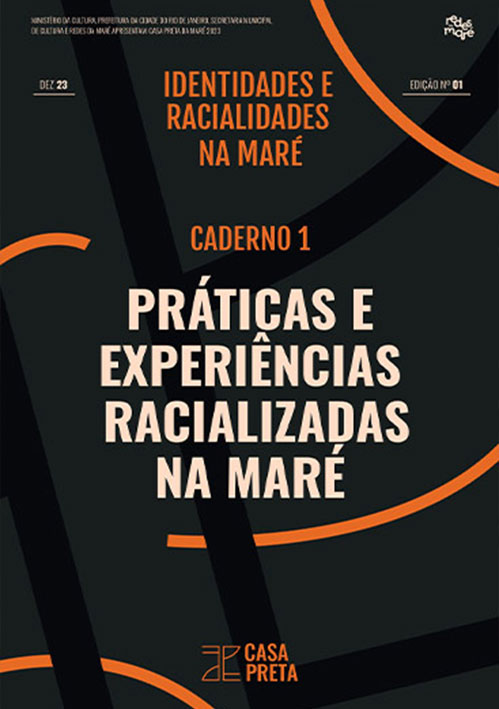
The Black House of Maré engages with knowledge production led by Black and Indigenous people, understanding that creating spaces and materials for research, teaching, and reflection contributes to the reeducation of racial relations. In this spirit, the inter-axis launches the Identities and Racialities in Maré Notebooks.

Notebook I

Notebook I – Racialized practices and experiences in Maré
This first notebook aims to present first-person articles and interviews conducted by weavers who are part of the Black House’s team. The invitation was to begin the series with reflections from Black intellectuals active in Maré and from Redes da Maré itself. The contributions are grounded in practices of education, memory, orality, social mobilization, and formative processes concerning the fight against racism and the development of Black epistemologies.


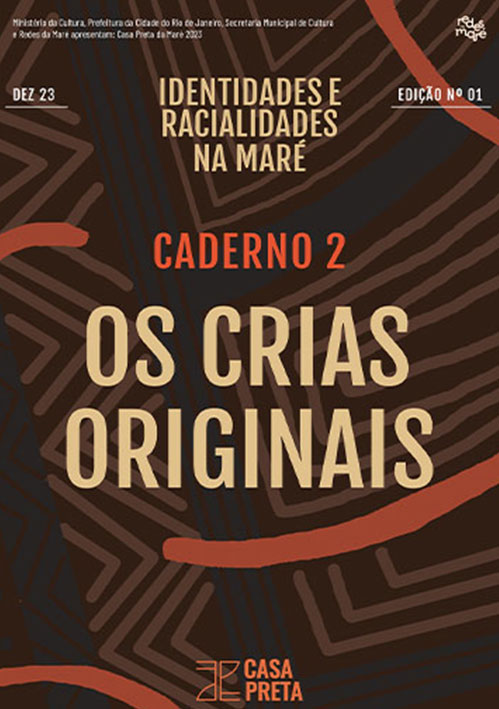
Notebook II

Notebook II – The Original “Crias”
The second notebook presents articles, photo essays, poems, and other artistic and intellectual works by Indigenous authors. This material was developed collaboratively with the Azuruhu collective, an artistic label dedicated to uplifting Indigenous artists, aiming to foster autonomy and stimulate contemporary Indigenous art production. A public call was made to Indigenous intellectuals from across Brazil to contribute to this publication, envisioned as a seed of a necessary and permanent movement: understanding Indigenous epistemologies as the core of Brazilian social thought.


Notebook III

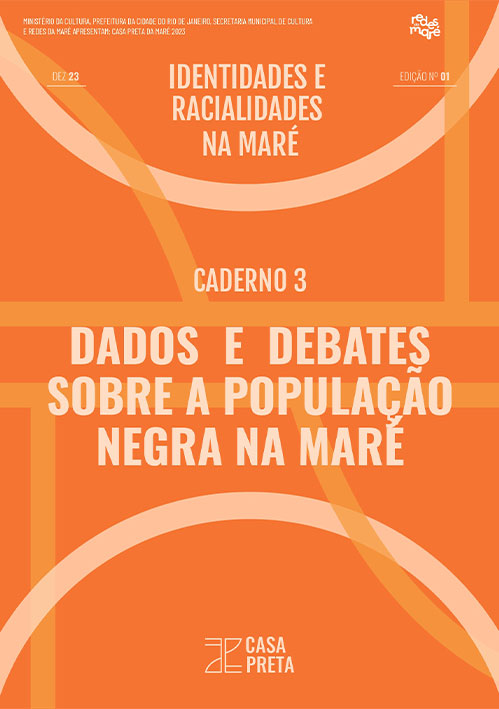
Notebook III – Data and Debates on the Black population in Maré
This notebook seeks to briefly highlight some research and debates that help deepen the racial discussion in Maré. According to the Maré Population Census, 62.1% of the residents in the territory are Black. There is an urgent need to observe their living conditions and advocate for targeted policies that serve this population.


FACILITIES

CAMPAIGNS AND PROJECTS

Stay tuned! Sign up for our newsletter