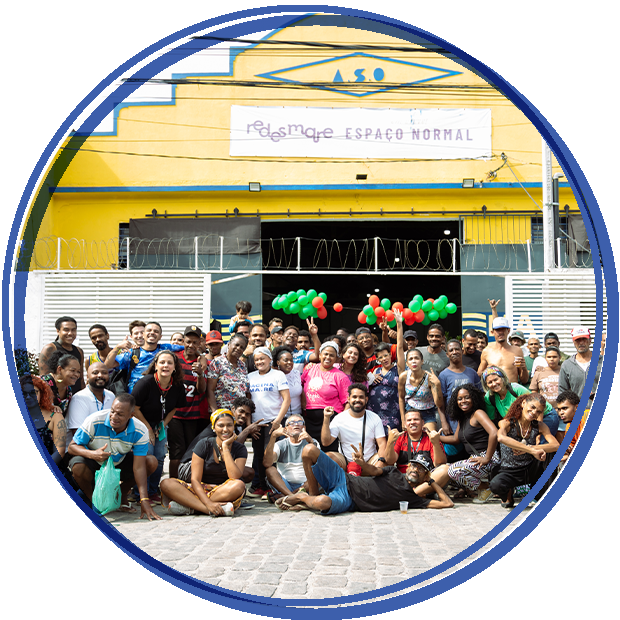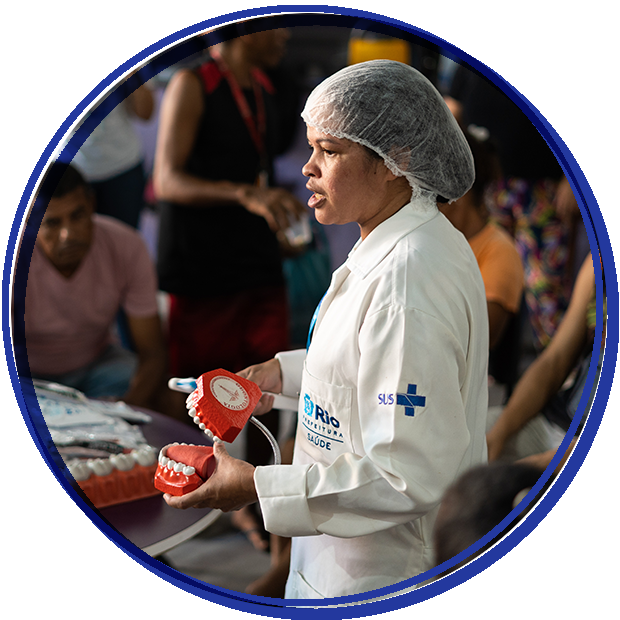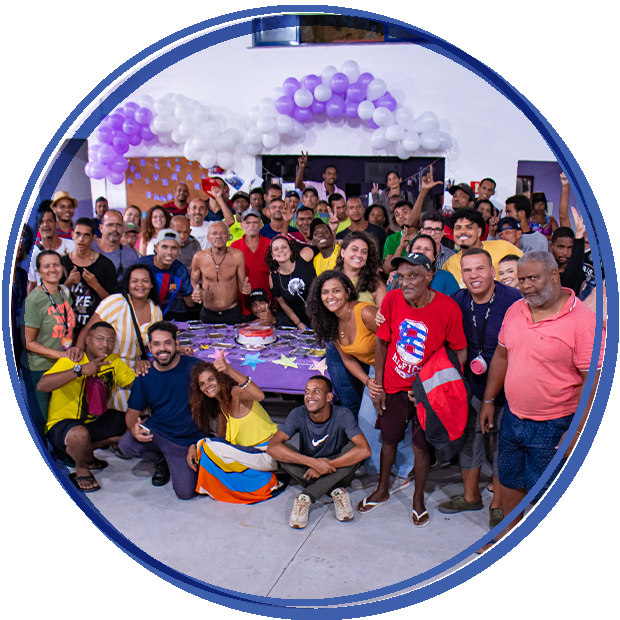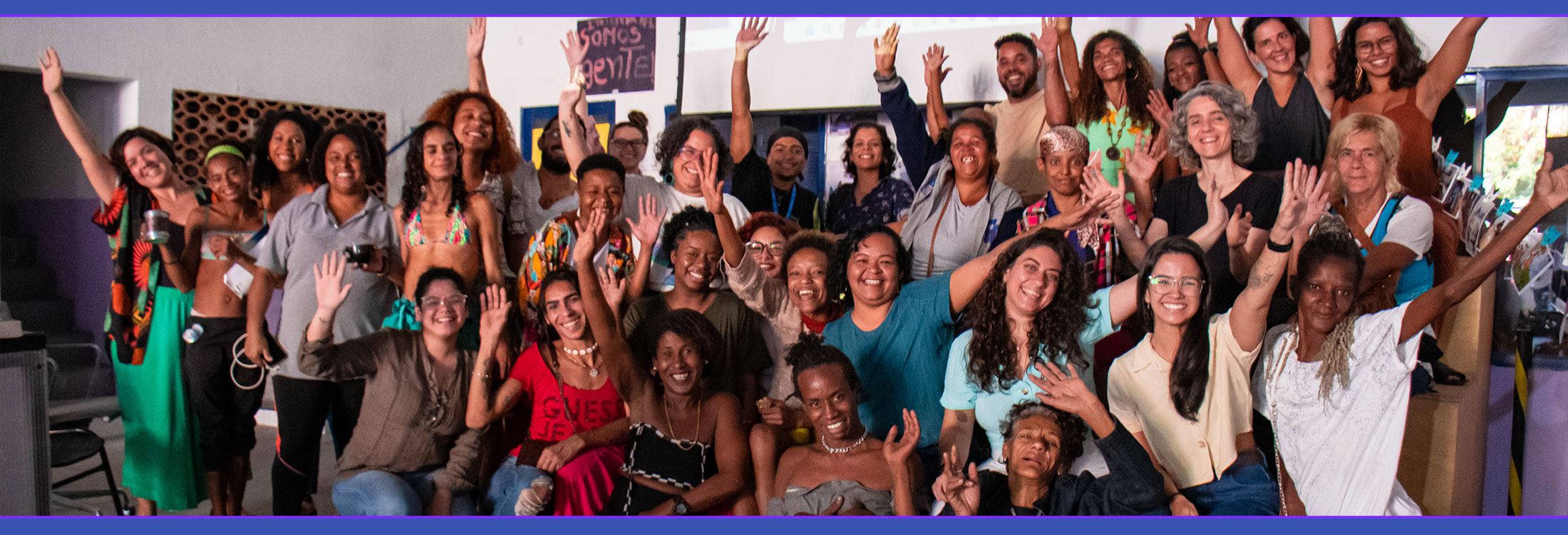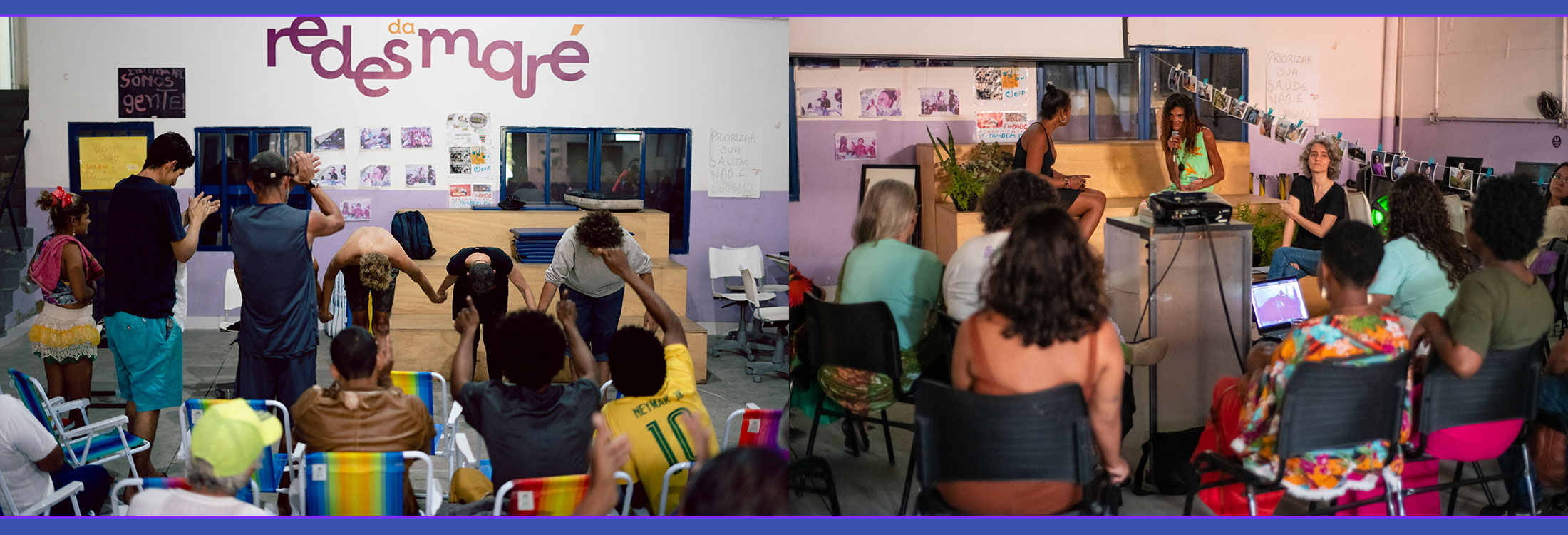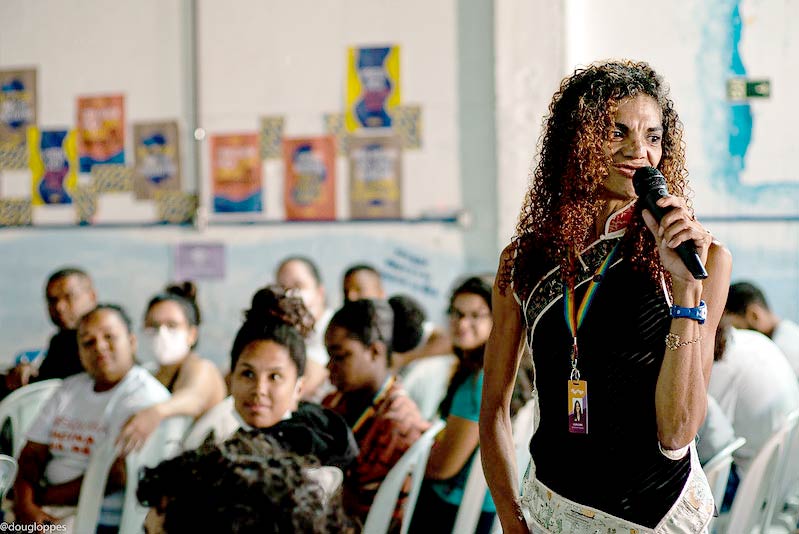
The Normal Space (NS) is the first reference space on drugs in favela territories in Brazil. The project is an innovative experience, originating from civil society, for the development of new care methodologies and the design of public policies for the homeless population and/or people who use drugs in favela contexts, armed violence, and systematic barriers to access to rights.

NS has also become a reference in the international context of harm reduction by expanding the working methodology with this public beyond the perspective centered on medicalized care, basic health care, and assistance, including a territorial, community, and right to the city dimension.

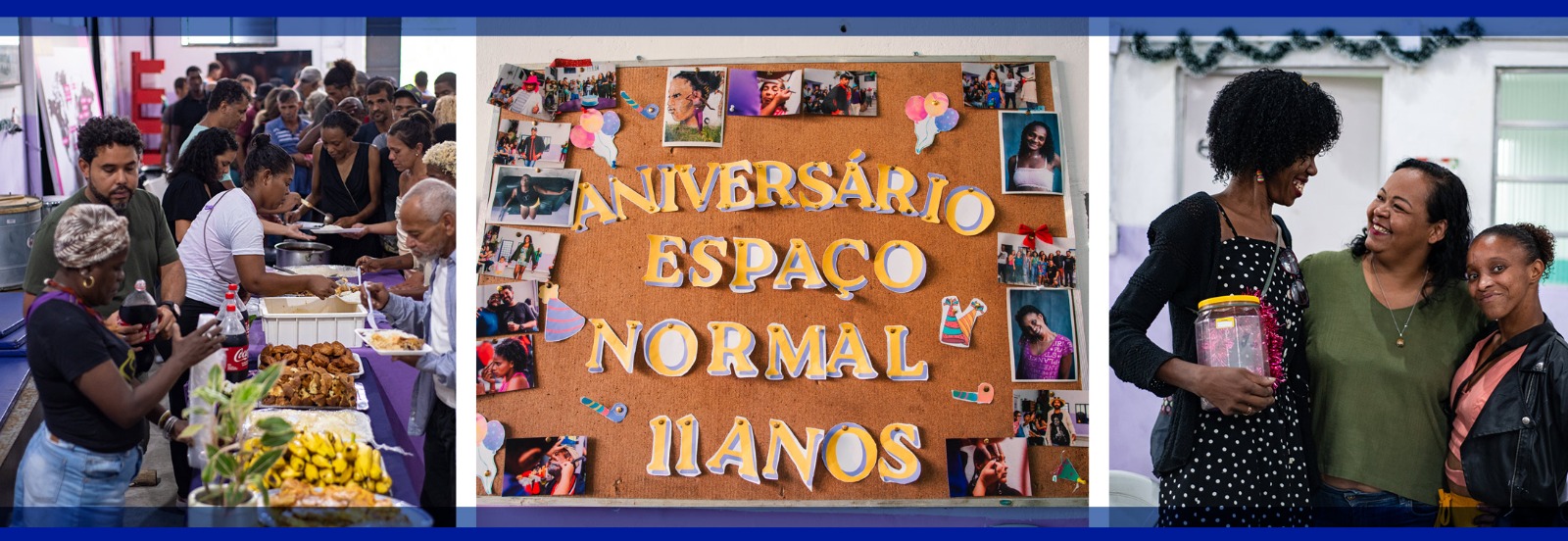
The result of three years of research and intervention alongside scenes of crack and other drug use, located on Flávia Farnese Street and Avenida Brasil, Redes da Maré inaugurated, in Nova Holanda, in May 2018, the Normal Space, a harm reduction reference center. In 2022, the project gained its own space at Rua 17 de Fevereiro, 237 - Parque Maré.

The main objective of the project is to set a positive agenda on harm reduction practices and care policies, starting from the protagonism of the people who frequent the space and from the territory itself.

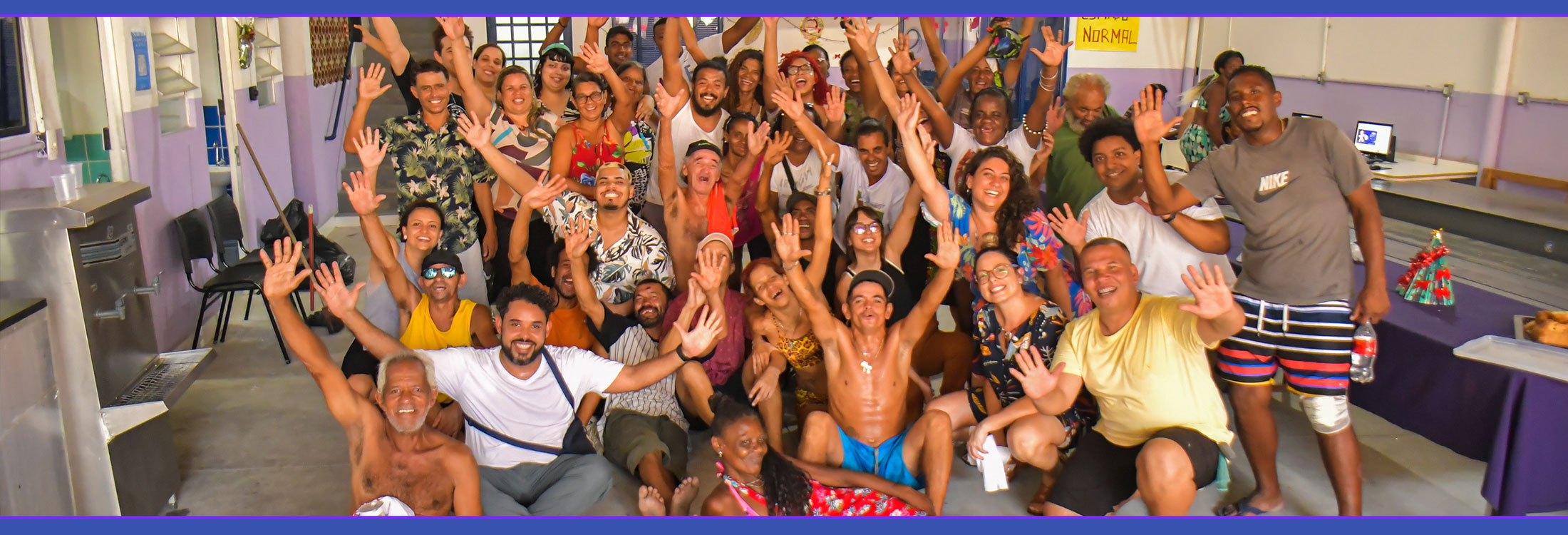
Through coexistence and the articulation of a wide care network in the territory, Normal Space works on the autonomy of the individual and care in freedom through the promotion of self-care, income generation, access to cultural spaces and other leisure regions in the city, and access to public policies.

Normal Space is an inter-sectoral facility and follows the methodological path of Redes da Maré, involving knowledge production, training, articulation, intervention, and political advocacy. Its actions also involve all thematic and transversal axes of the institution: Health; Education; Urban and Socio- environmental Rights; Public Security and Access to Justice; Art, Culture, Memories and Identities; Racial Equity and Gender Equity.


               THE NORMAL SPACE ARTICULATES FIVE ACTION FRONTS:


(1) COEXISTENCE:

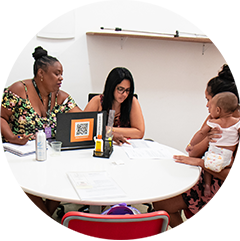
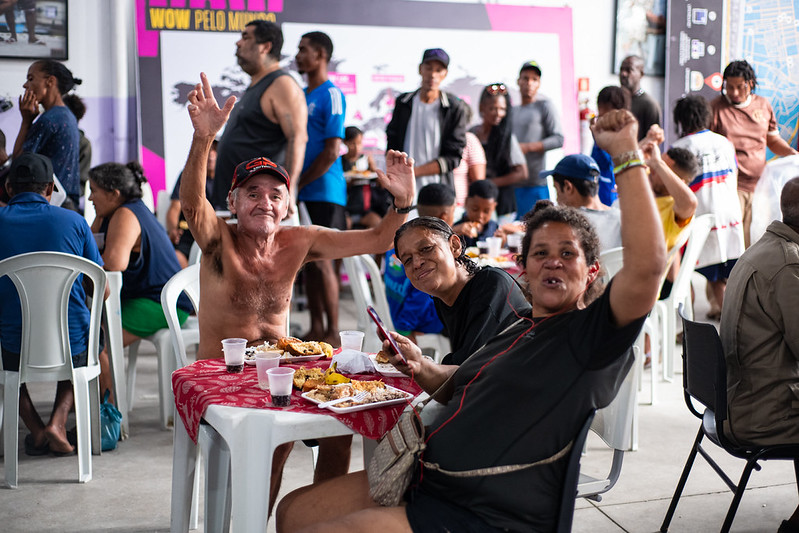
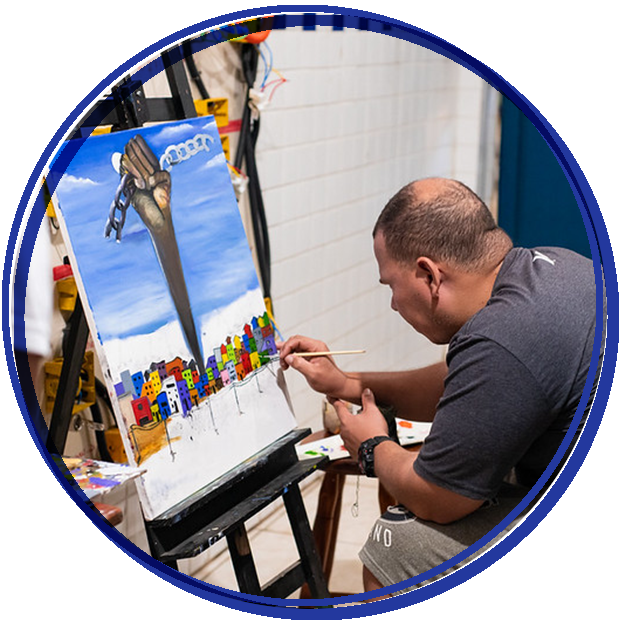
Creation of alternatives for people in street situations and/or with harmful drug use and their families; expanded listening, shared care, access to basic rights (hygiene and food, rest), artistic and cultural workshops, access to cultural and leisure spaces in the city, digital inclusion, family and territorial bonding.


(2) ARTICULATION AND POLITICAL ADVOCACY:  

Territorial institutional advocacy to build a local harm reduction agenda. Through weekly meetings with public institutions that serve the population, care is shared, and the support network and access to rights are expanded. The project is currently present in the following spaces for representation and discussion of the topic: Maré Residents' Forum on Drugs and Care; Maternity Forum; Street Situation Forum; Rio de Janeiro Municipal Anti-Drug Council; State Forum on Public Drug Policies - State Secretariat for Drug Prevention and the Brazilian Platform on Drug Policy (PBPD). In addition to participating, the project also promotes meetings of institutions and facilities that serve the project's public in Maré, in weekly meetings of ATENDA - Integrated Care Device. Link to article!


(3) PROTAGONISM:

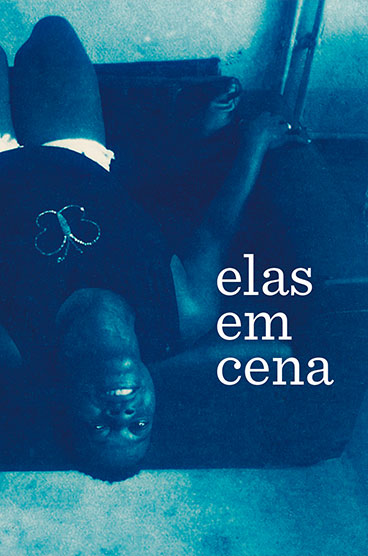
Encouragement of the protagonism of people who frequent the space daily, fostering the appropriation and defense of their rights through participation in thematic forums and councils and other forms of organization, and income generation. The peer support methodology is a tool for the positive transformation of the reality of vulnerable people in street situations who use drugs. ELAS EM CENA - Wednesdays are dedicated to coexistence among women. Through the protagonism of women, NS develops specific strategies for care practices with a gender perspective.


(4) AWARENESS AND KNOWLEDGE PRODUCTION:

On harm reduction practices in contexts of violence; raising awareness among residents, professionals, and neighbors, training, territorial care/shared care, street actions, and actions in scenes of crack and other drug use in the region.


(5) RESEARCH AND TRAINING:

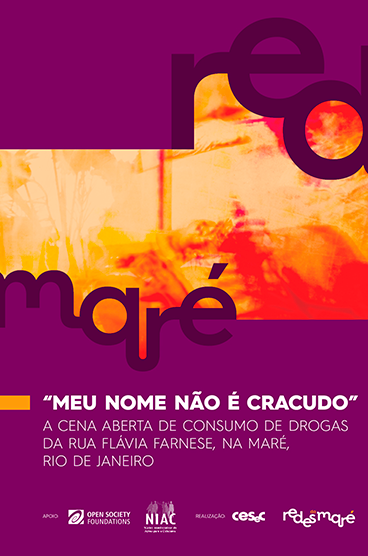
The project began in 2015 with research on the Flávia Farnese drug scene. This research published the article (My Name is Not Crackhead)and initiated a series of actions and articulations that led the project to the Normal Space new shed. Between 2019 and 2022, NS partnered with the research project Building Bridges.

In 2023, NS initiated action research on care practices with a gender perspective (Elas em Cena). NS collaborates in the training of various professionals through the inclusion in the service of multi-professional residents and interns. - Multi- professional residency of the Municipal Health Secretariat of Rio de Janeiro in the form of an external internship; - Multi-professional residency of the Institute of Psychiatry IPUB/UFRJ.


WHY IS THE SPACE CALLED NORMAL?


Carlos Roberto Nogueira, also known as “Normal”, was a local leader of the drug use scene on Flávia Farnese St, in Maré. Since the beginning of the Redes project in the area, in 2015, Normal has helped the team to build links with the scene and consolidate its work in that space. Charismatic, talented and extroverted, Normal was a concrete example of the complexities, desires and powers that cross the trajectories of people living on the streets.


In January 2018, while the space was being prepared to be inaugurated, Normal died from a stray bullet at Flávia Farnese St. He was 32 years old. The name Normal Space was given, then, as a tribute to Carlos and all the people who, like him, had and still have their lives marked by the violence produced by the war on drugs.

The name Normal also intends to claim new perspectives on people who use drugs and/or who are homeless, serving as a constant reminder of the right to be “different” combined with the desire of people who are systematically stigmatized by society to be seen as "normal”.

OPENING HOURS

Living space: Monday to Thursday 9am to 3pm
On Wednesday, services are exclusive for women.
At Fridays, the space opens from 9am to 12:30pm.

For questions, write to eixosaude@redesdamare.org.bror send a message to our WhatsApp: (21) 96780-4614


ADDRESS

Normal Space

Rua 17 de fevereiro, 237 - Parque Maré
Phone: 21 3105-4767

PUBLICATIONS


My name is not “crackhead”  

In 2015, Redes da Maré developed a process of approaching the drug use scene on Flávia Farnese Street, in Maré, atypical in Rio de Janeiro due to its geographic and demographic stability. Combining participant observation, creation of bonds, intervention, institutional articulation and interviews with 59 of the approximately 80 residents of the scene, an attempt was made to outline the profile and identify the demands of residents, understand the incident dynamics in the space they occupy and map the policies of service that work there. A point of convergence for urban social problems and a context marked by various forms of violence, discrimination and marginalization, the study of “cracolândia” reveals the urgent need for integrated public policies, capable of expanding harm reduction practices beyond directly related to drug use. It also reveals the importance of the mediation of a civil society organization integrated in the territory to articulate demand and supply of public policies, and facilitate the formulation of sustainable strategies for assisting drug users living in the streets.


Click here to read the article


You must be alert and strong

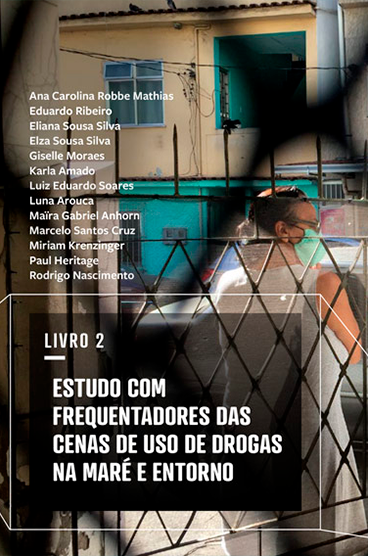
This Collection brings together the productions of different researches and researchers linked to the Research Center on Policies for the Prevention of Violence, Access to Justice and Education in Human Rights (NUPPVAJ), linked to the Graduate Program in Social Service at the Federal University of Rio de Janeiro. Its guiding axis is a look that avoids ethnocentric projections and listening that opens up to the demands of homeless populations for recognition, affirmation and enforcement of citizenship rights.


Click here to read the publication


FACILITIES

CAMPAIGNS AND PROJECTS

Stay tuned! Sign up for our newsletter