Our work follows three guidelines: expanding network articulation for the defense of sexual and reproductive rights in Maré; strengthening the public debate on sexual and reproductive rights in the favela; and increasing influence over decision-makers on the agenda of sexual and reproductive rights.
To achieve these objectives, the project carries out activities of knowledge production (research), territorial mobilization and political advocacy. These are direct actions with the women of Maré to collect and disseminate information and build strategies that qualify public policies and local health services, from the experiences of the residents.
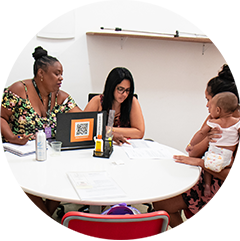
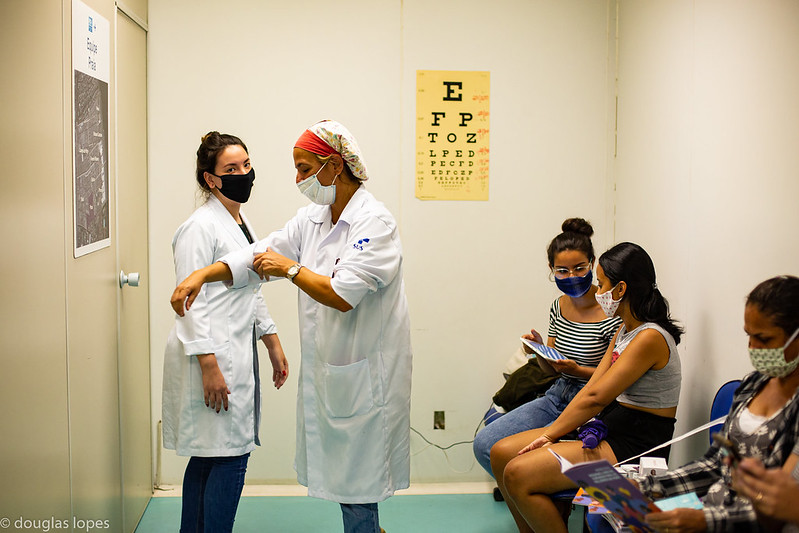
The actions include activities such as film-debates, game sessions and conversation circles with the women served by the various projects of the Women’s House and other projects of Redes da Maré, as well as residents in general in the campaigns and research. Starting from their experiences and specific demands, the agendas and priorities of the project are guided.
We also engage with health and education professionals who work in Maré to identify the institutional and infrastructure gaps they face in addressing sexual and reproductive health demands.
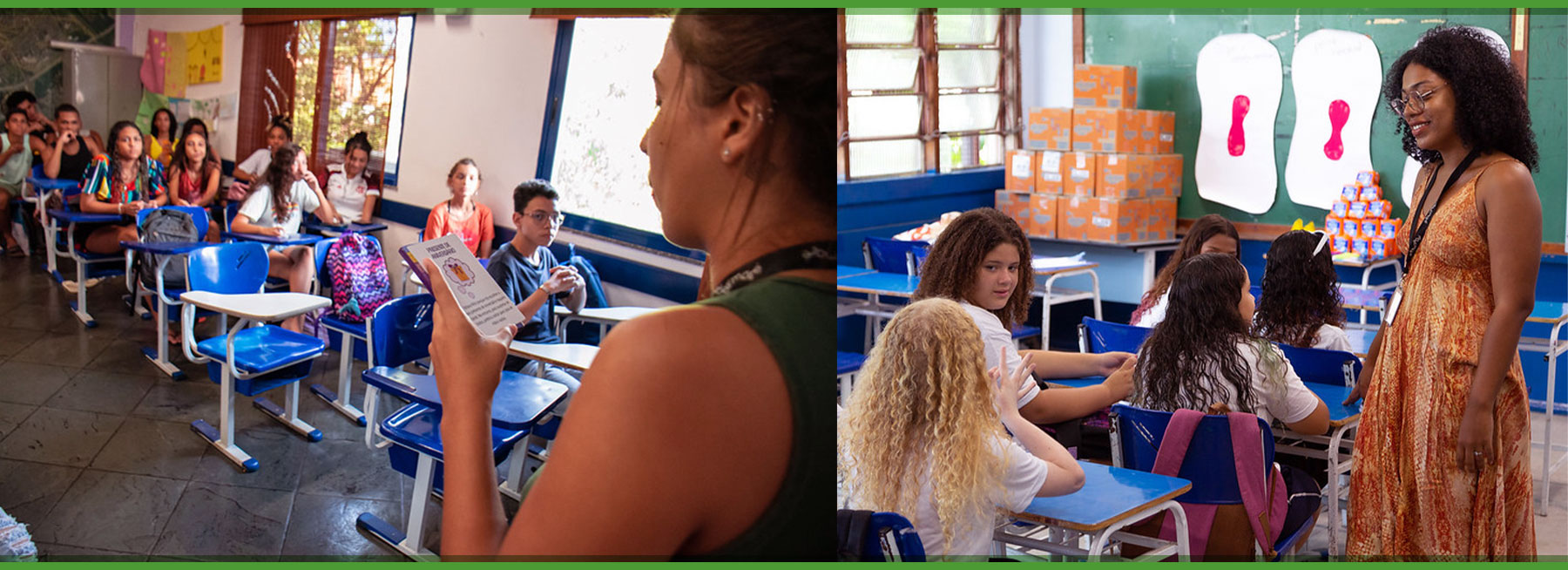
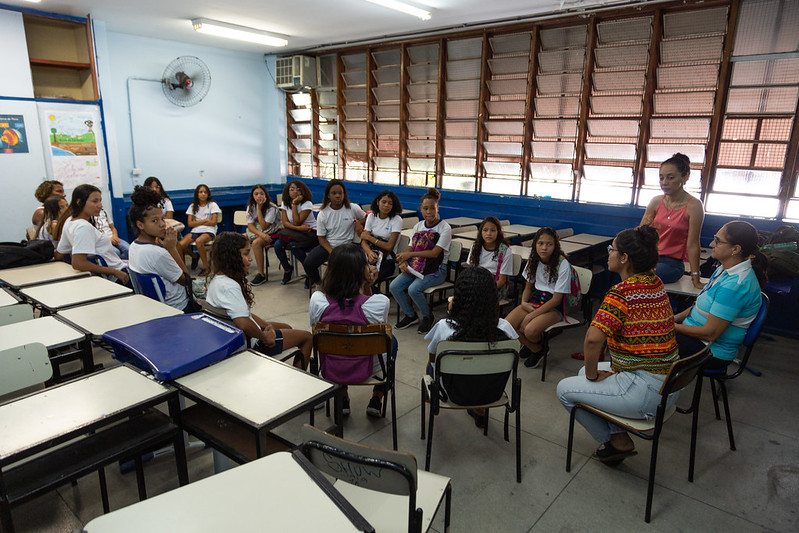
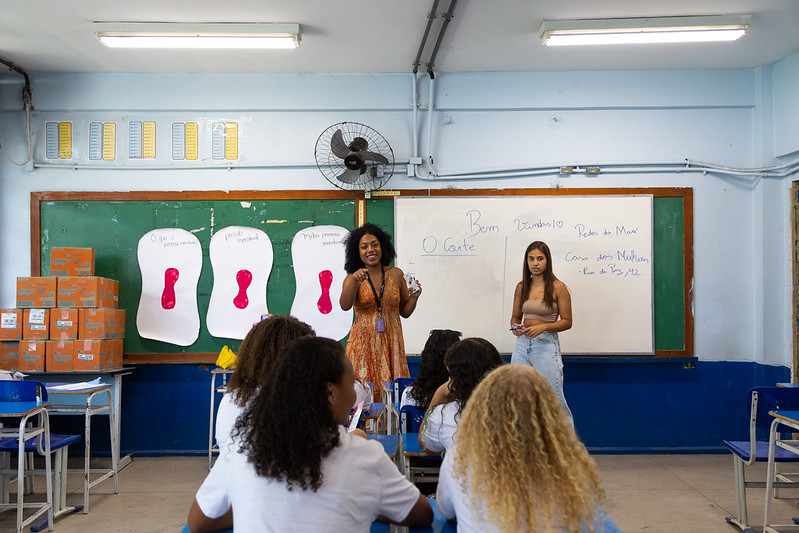
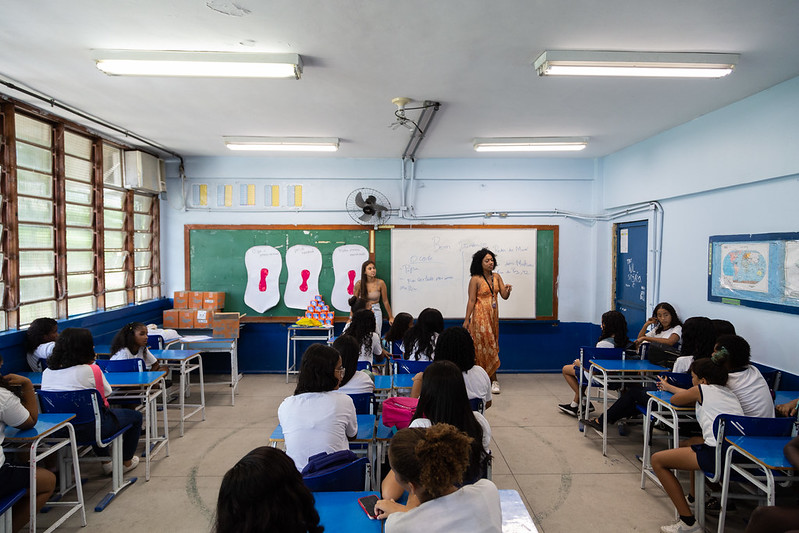
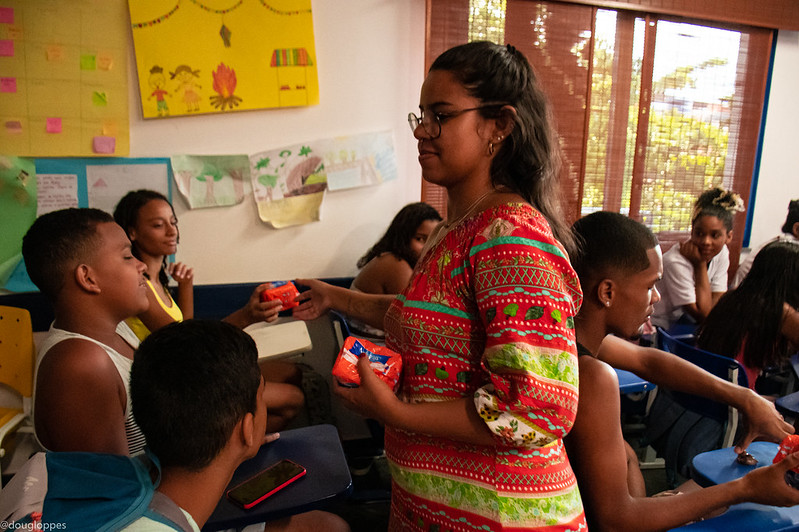
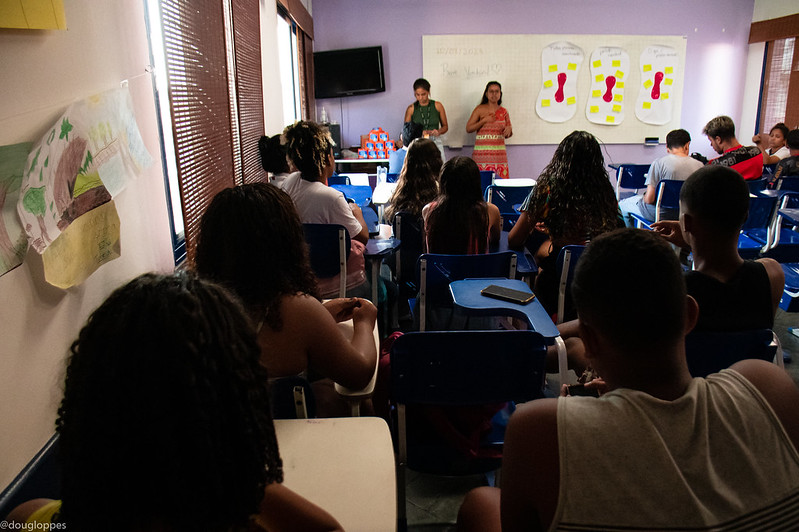
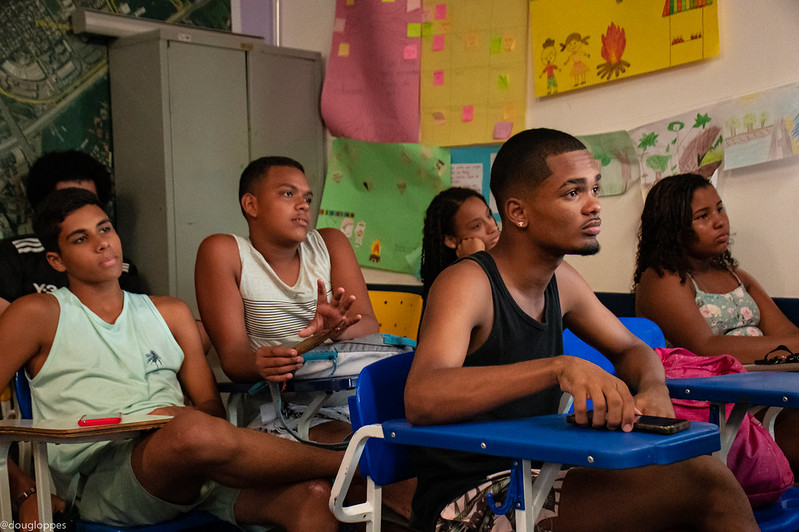
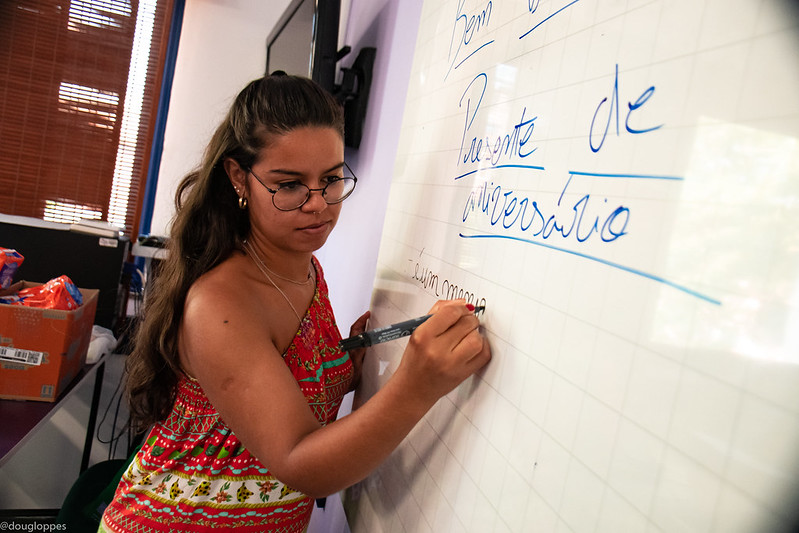
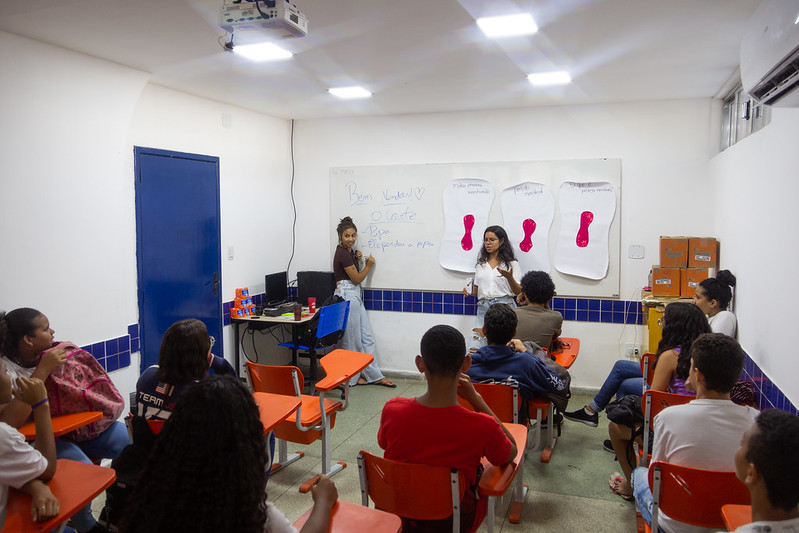
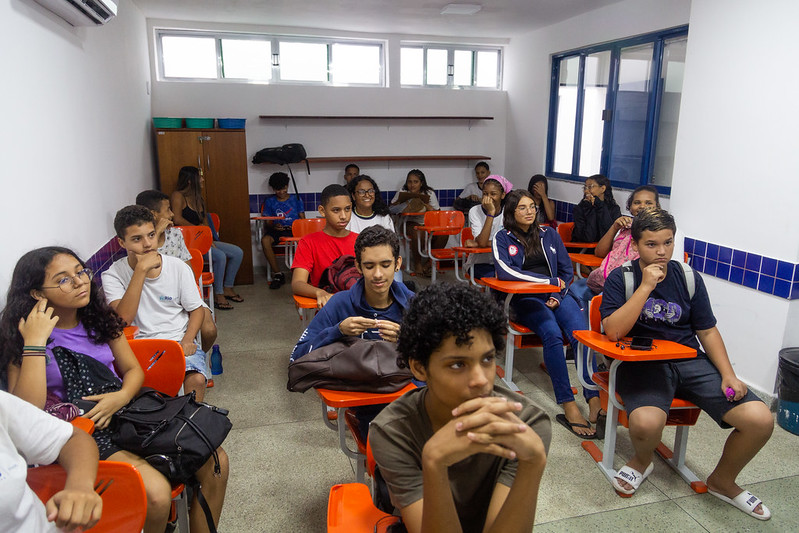
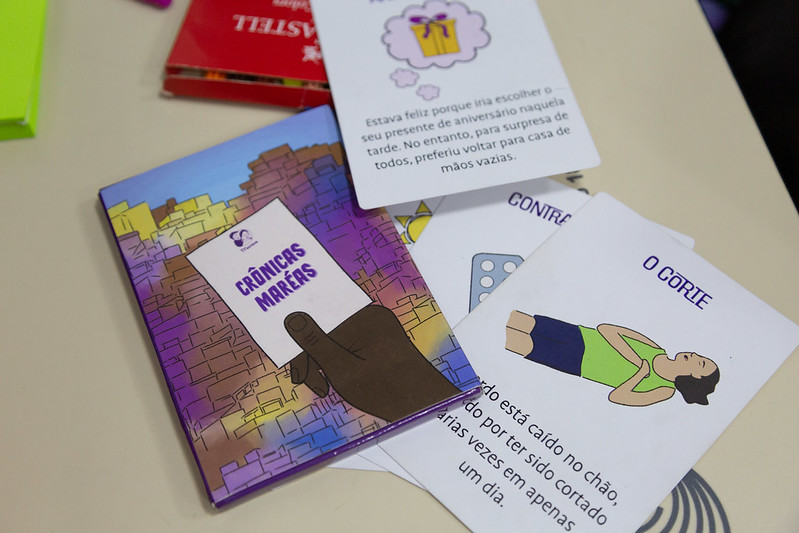
In Maré schools, we offer to high-school students workshops using playful methodologies—with images, videos, games and conversations aimed at stimulating reflection, bringing quality information and clarifying doubts about sexual and reproductive rights.

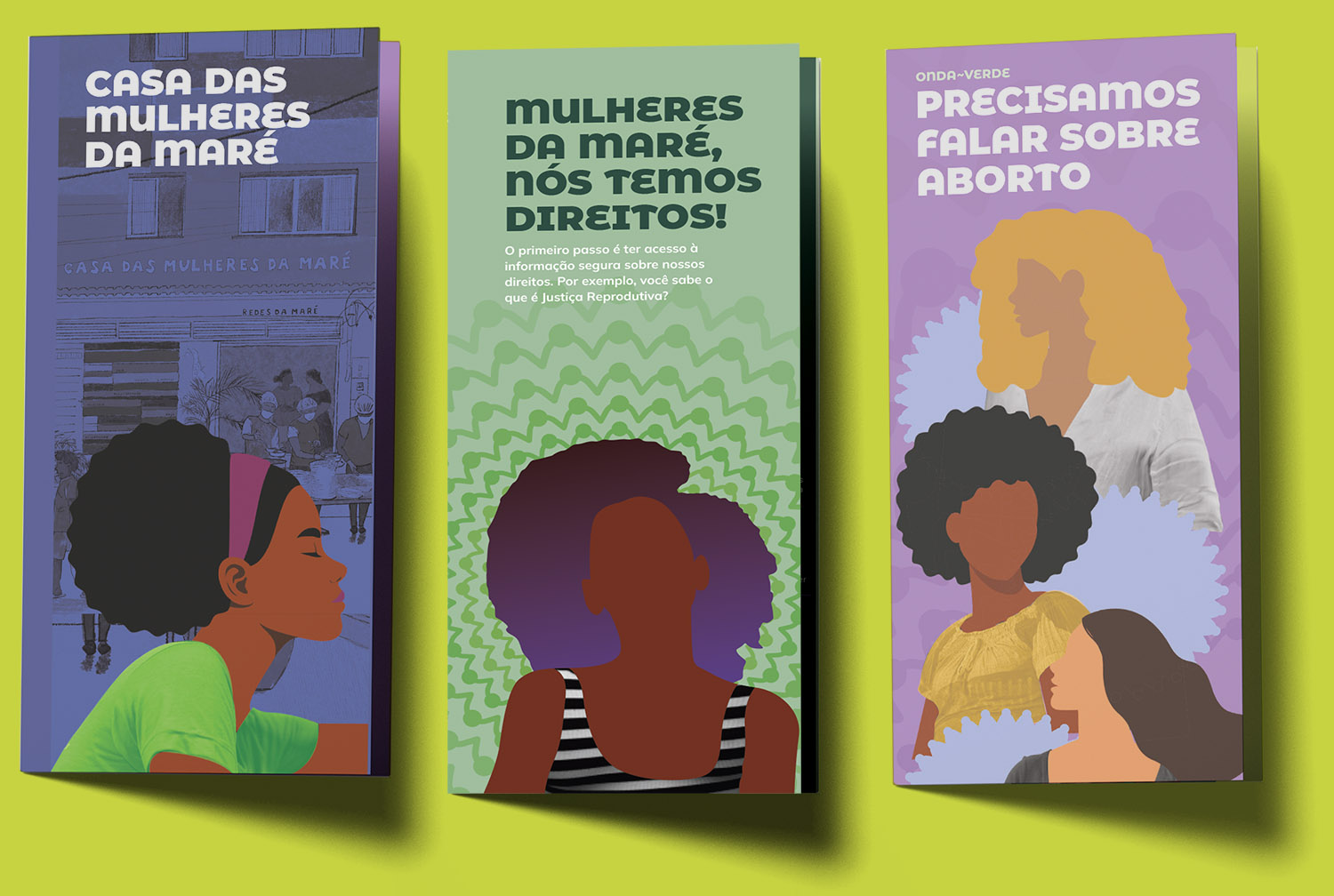
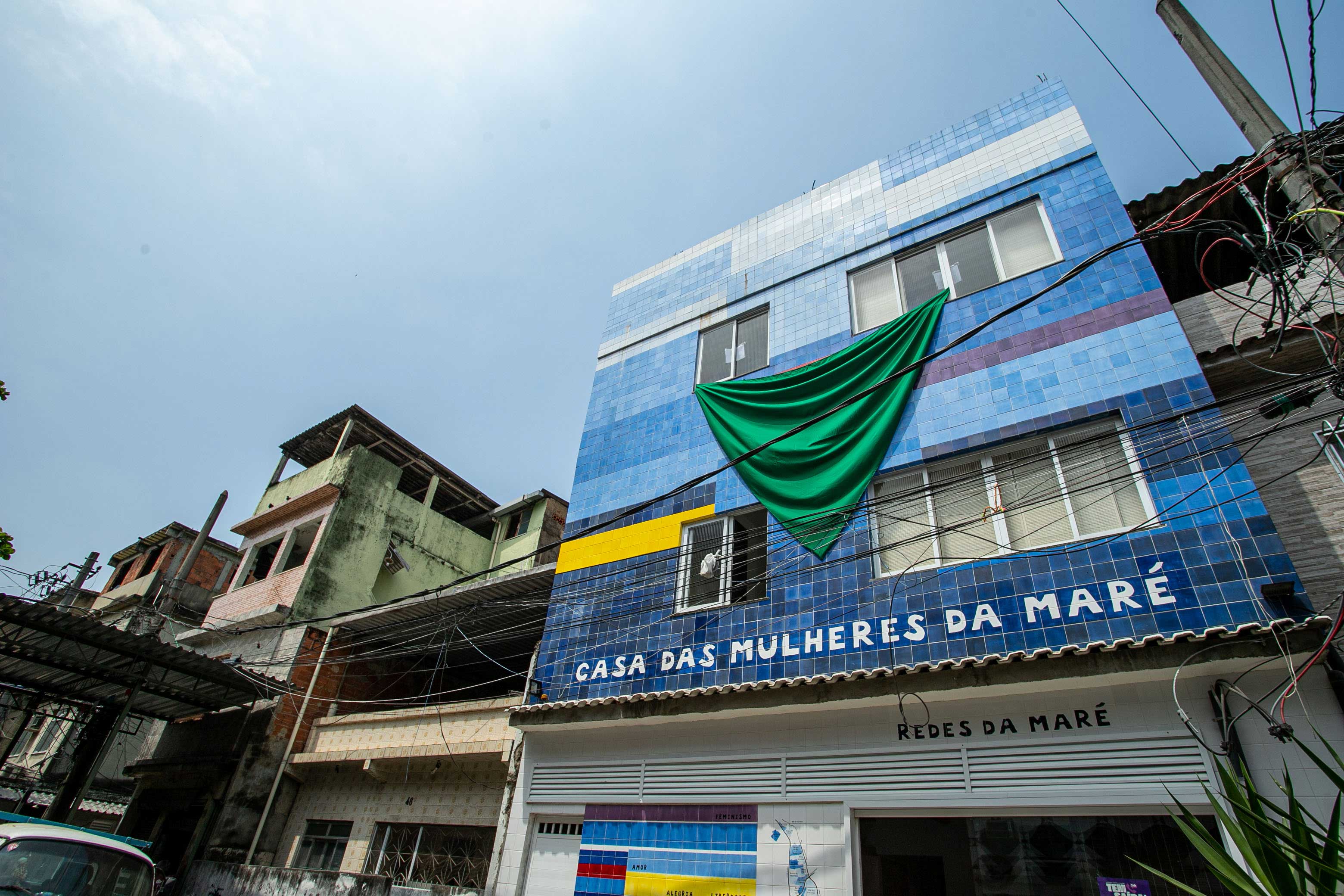
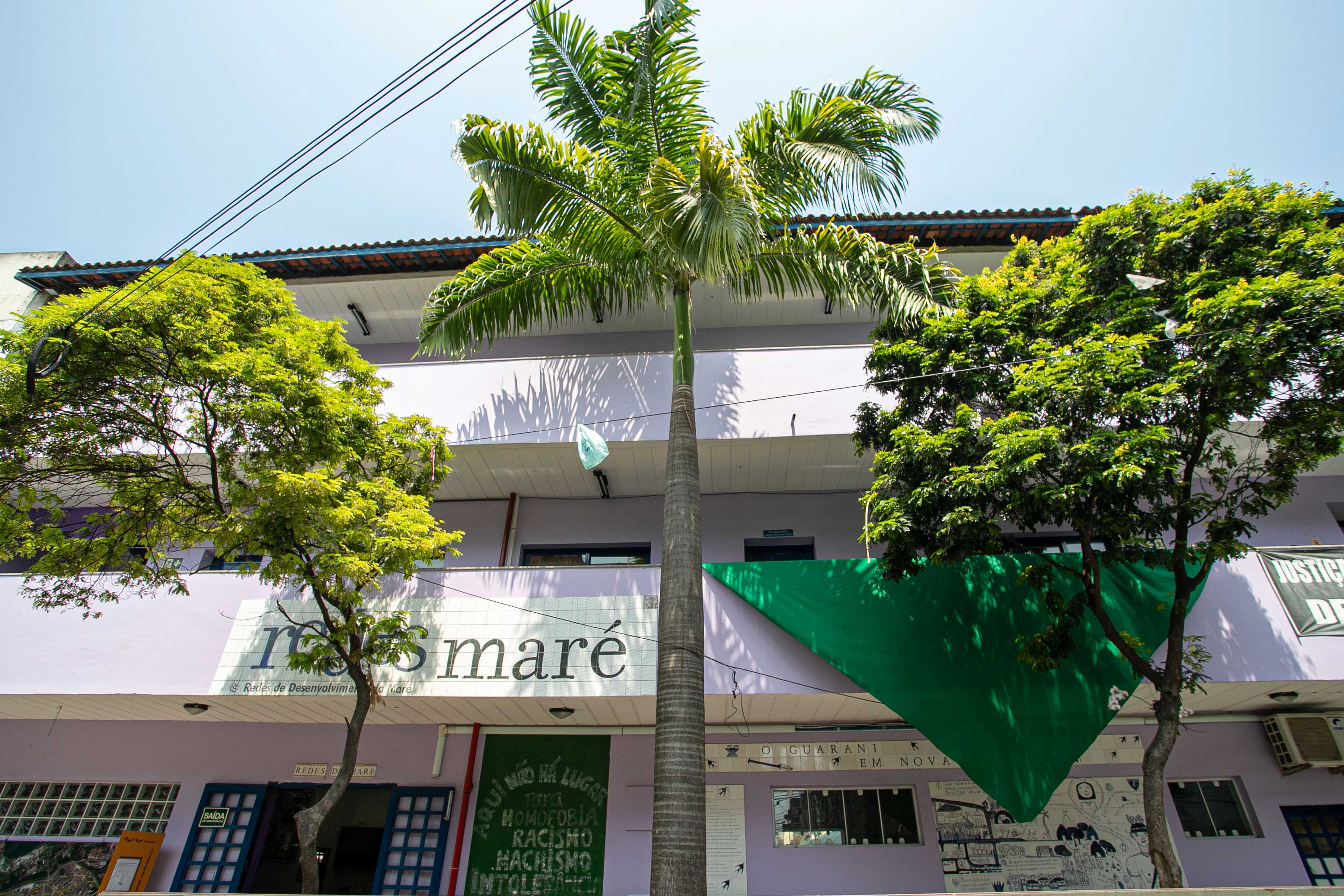
The Green Wave represents the fight for the legalization of abortion in Latin America. In Argentina, after 15 years of campaigning, abortion was legalized in 2020, amid thousands of women occupying the streets with a green scarf on their bodies, which became a symbol of resistance and struggle for the right to abortion. Since then, the movement inspires other countries in the region.

Reproductive Health Maré Research 2024
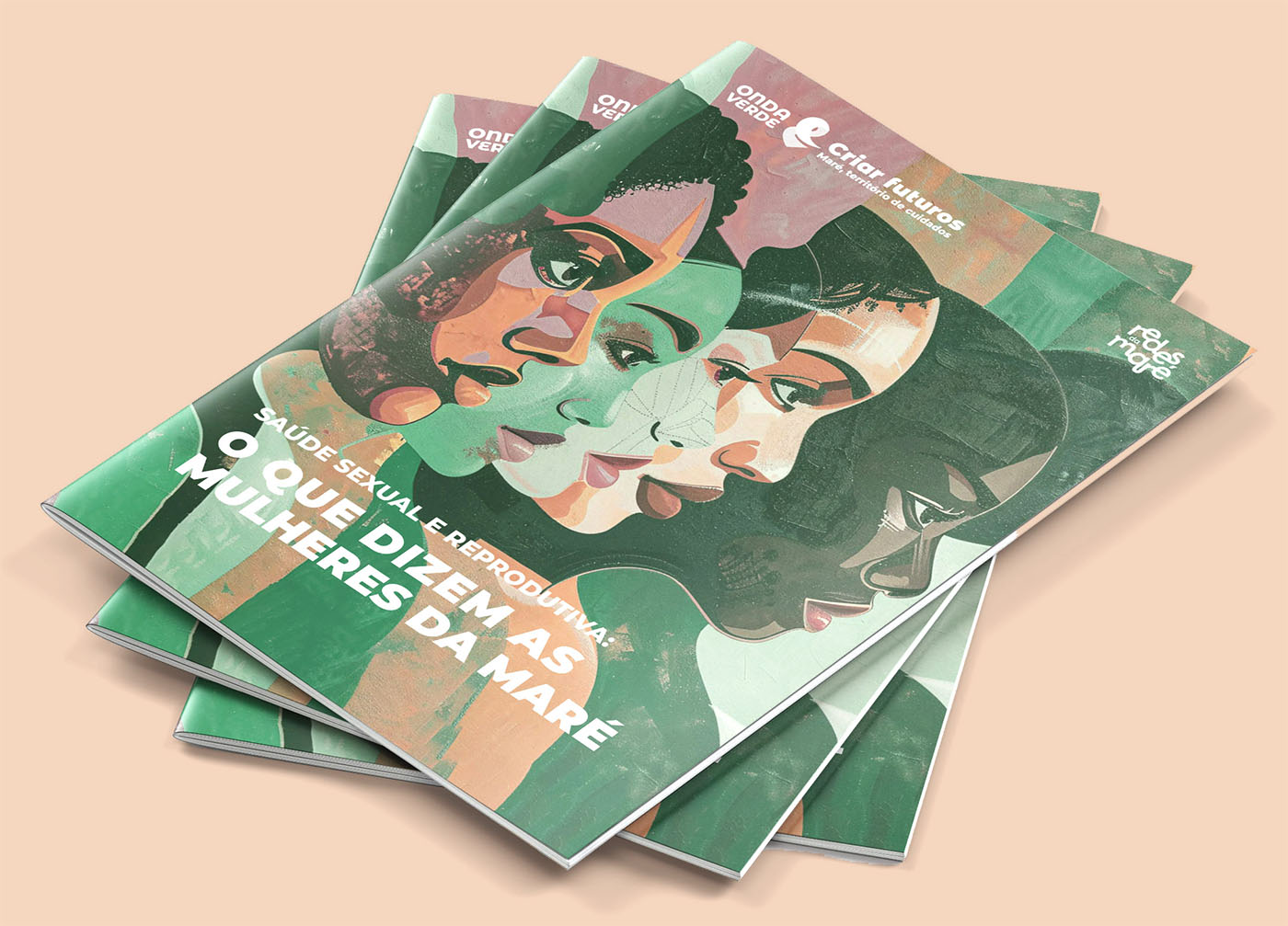
In 2023, to understand more deeply and in detail the scene in which we were inserted and the demands of the territory, Redes da Maré began to produce a research, published in 2024, on reproductive justice in a favela territory - Maré, the largest cluster of favelas in Rio de Janeiro, where about 140,000 people live. The research, unprecedented in favela territories, had a qualitative phase, which used the community mobilization methodology of Redes da Maré, and a quantitative phase, which replicated the methodology of the National Abortion Survey, in partnership with Anis Bioethics Institute.
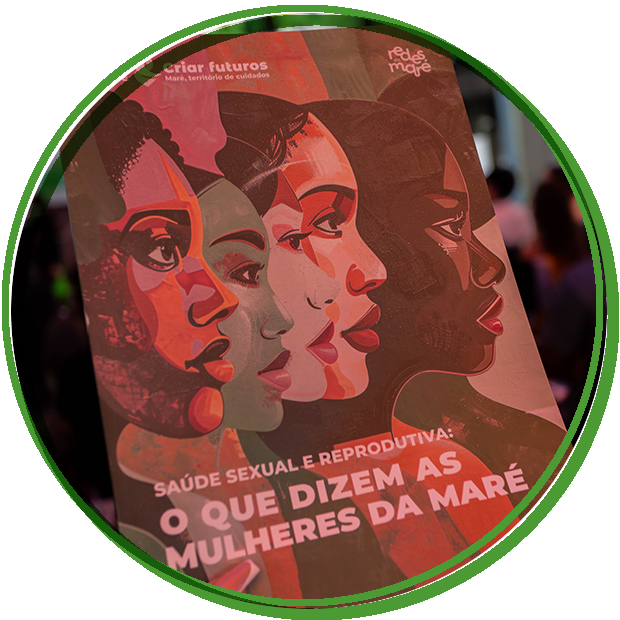
The research “Sexual and reproductive health: what do the women of Maré say” is a milestone to demystify the prejudiced view about women of the favela, which makes one assume they are careless or lack clarity in relation, for example, to contraceptive use. In reality, favela women, vulnerable by their racial and peripheral condition, are harmed by serious neglect in the field of integral health, from the first years of their sexual lives.
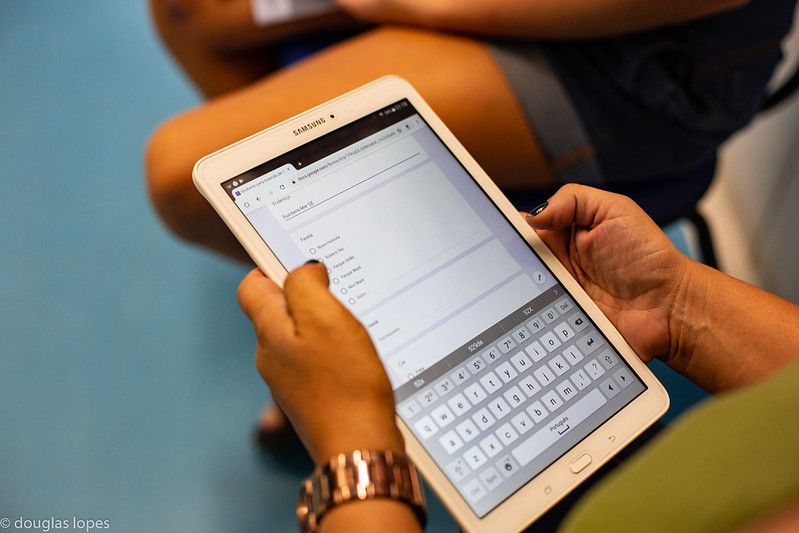
To map the conditions of sexual and reproductive health of the women, we elaborated the study in two fronts. The first, quantitative about the phenomenon of abortion, was carried out with 504 women aged 18 to 39 years. The second front, qualitative, delineated focus groups and 34 interviews with women older than 18 years, all residents of Maré.
In the interviews, women cis and trans persons were heard. The results evidence a series of structural and systemic barriers to access rights — either due to deficits and gaps in public health policies, or due to cultural, socio-economic, normative and patriarchal determinants — which create reproductive injustice for the women of Maré. The data systematized in this research represent, therefore, an advance to support public health actions for women residents of favela territories.

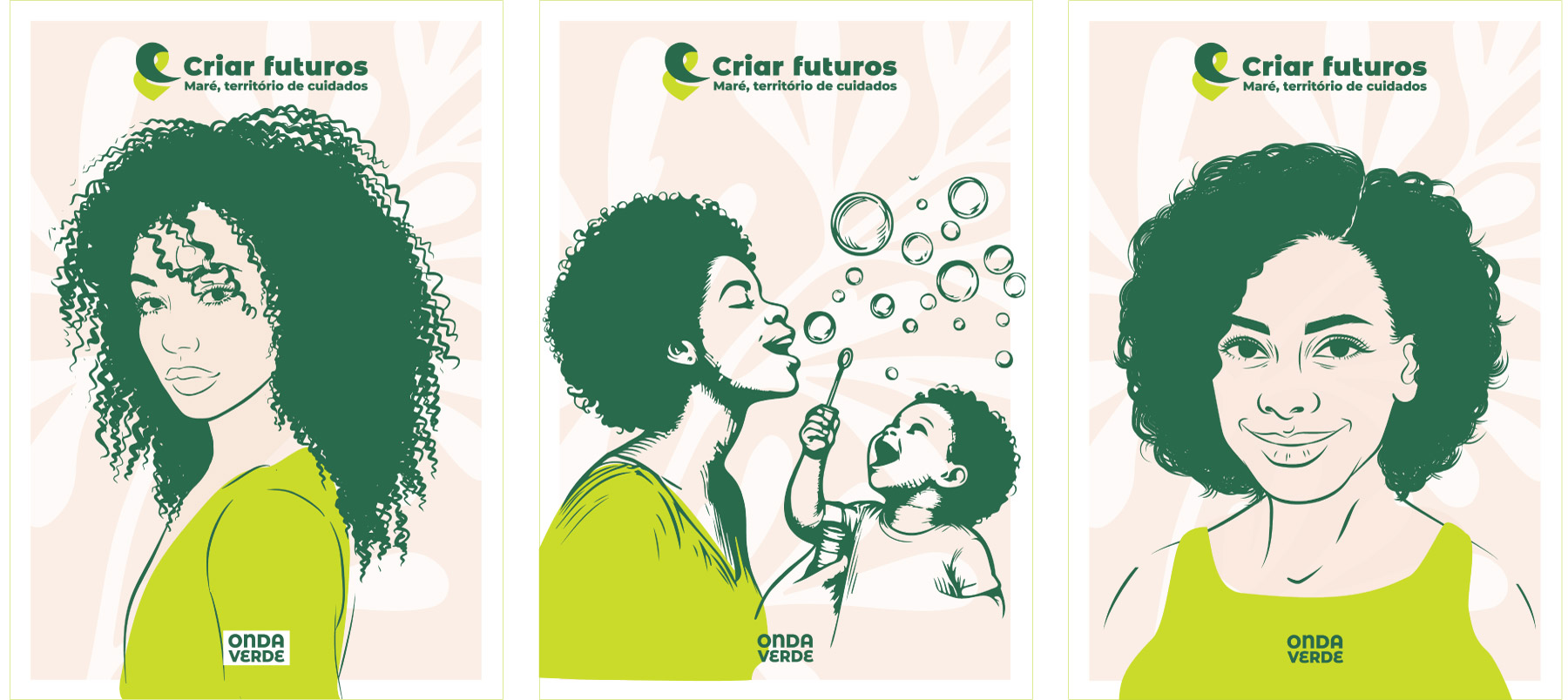
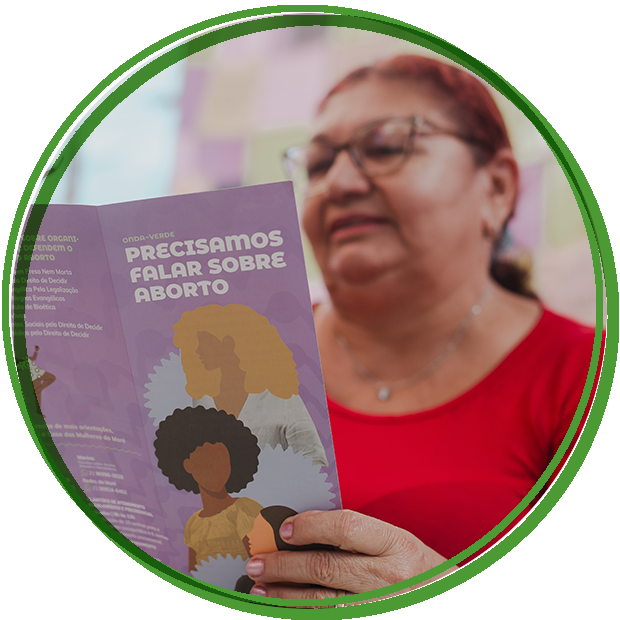
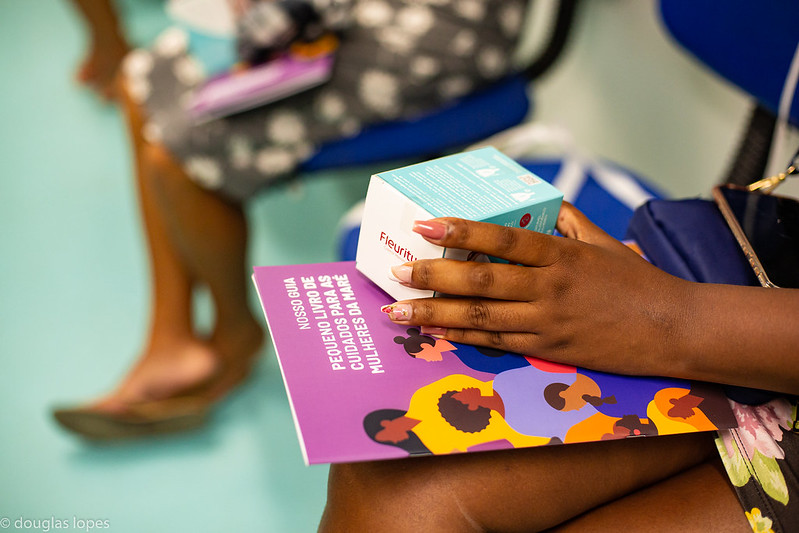
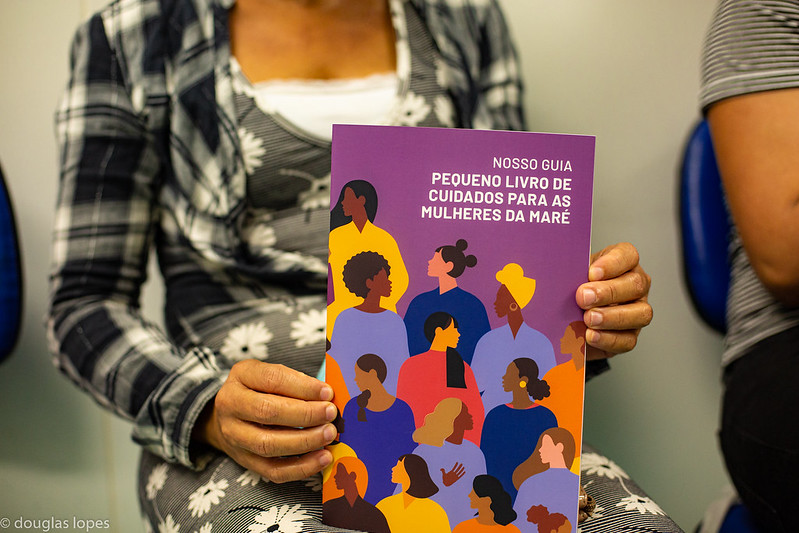
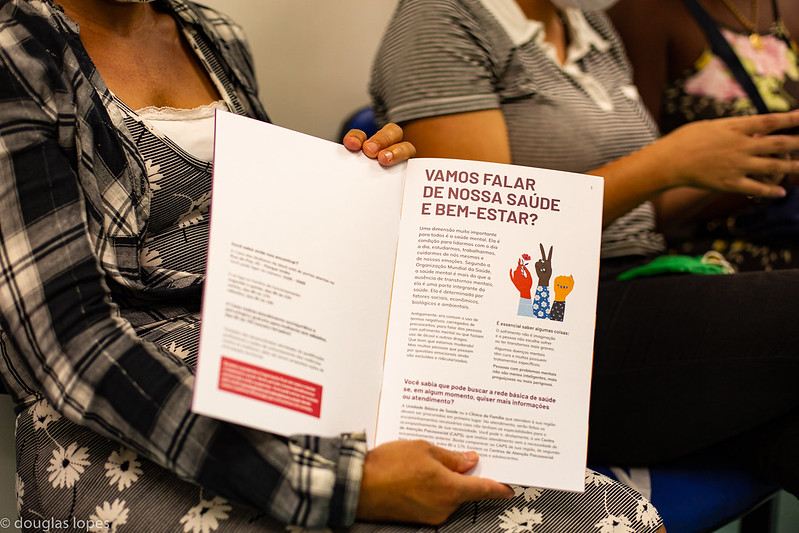
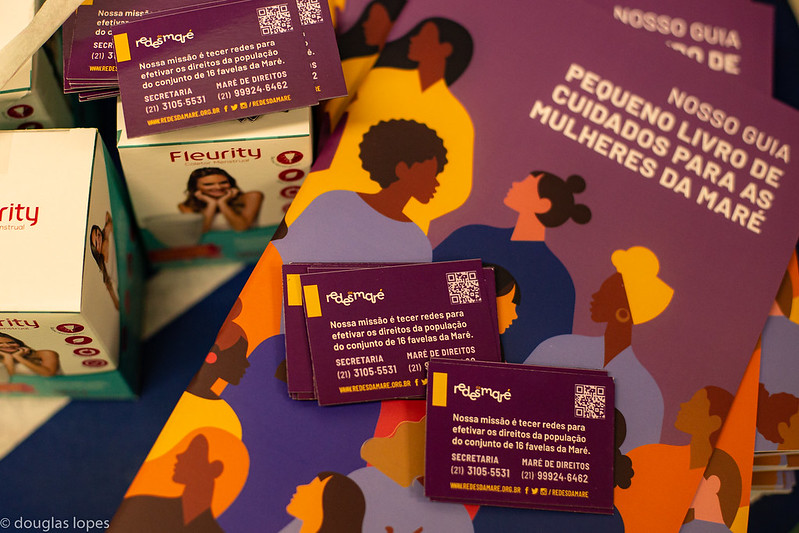
Read the Green Wave Project brochures
DOWNLOAD (PDF)

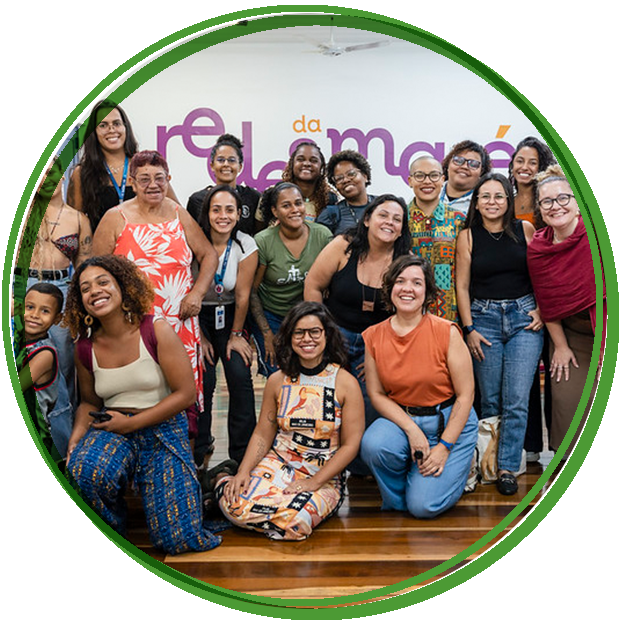
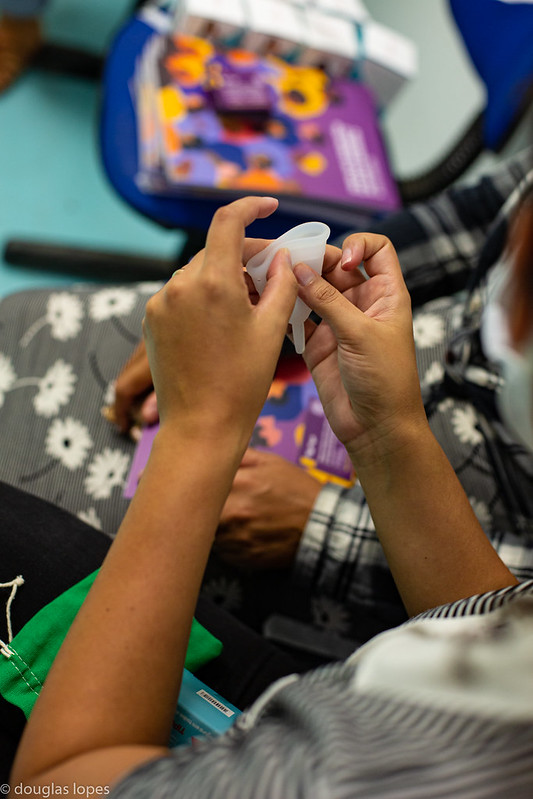
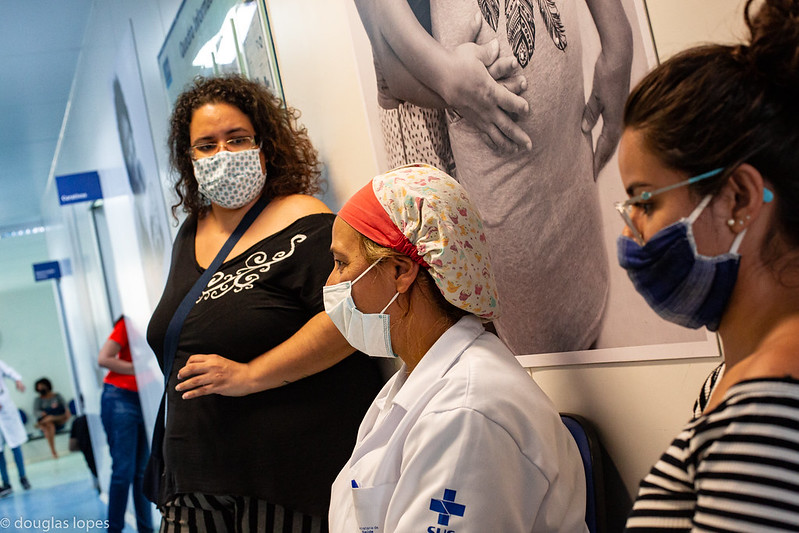
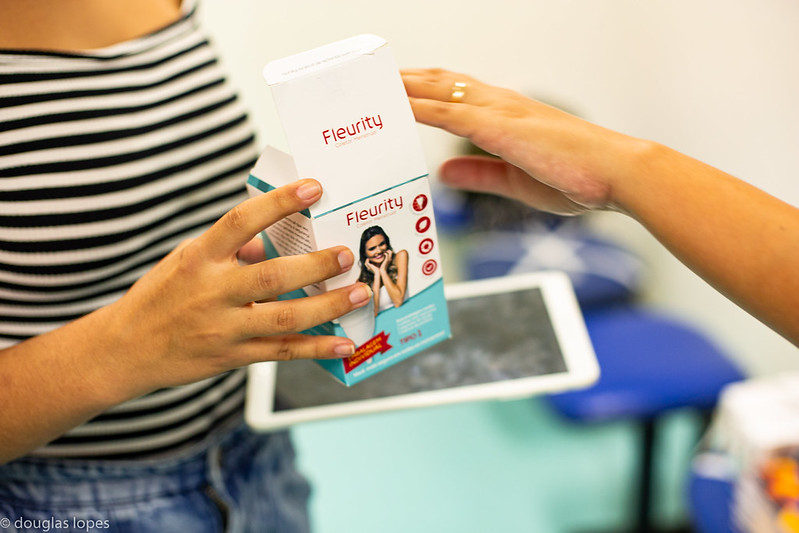
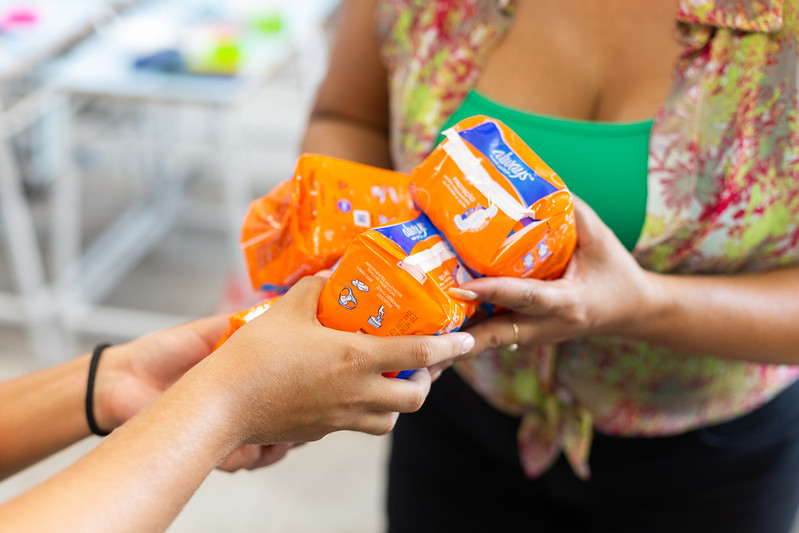
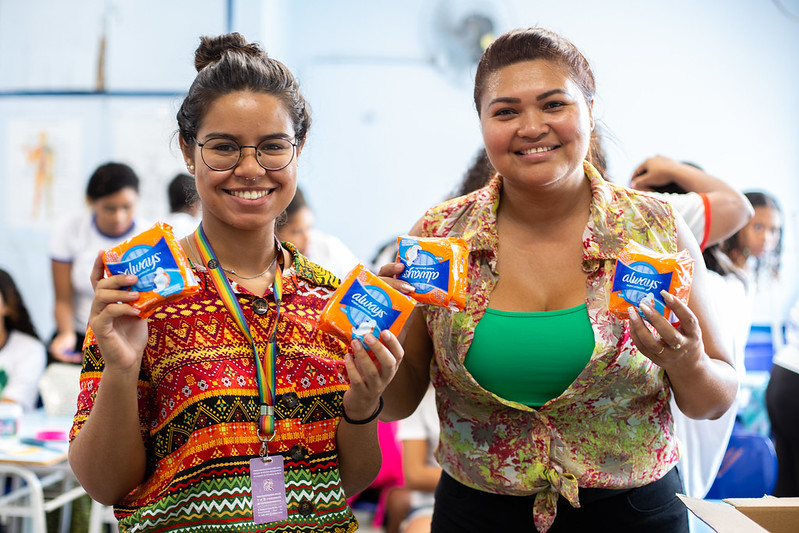
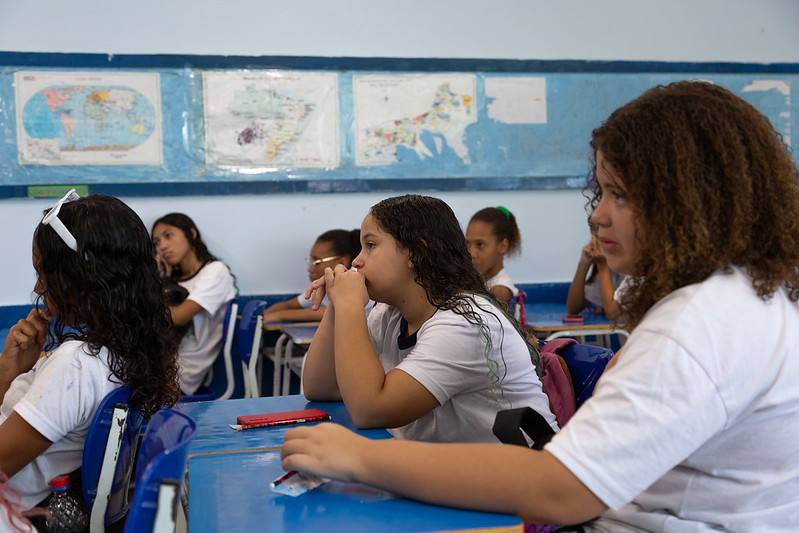
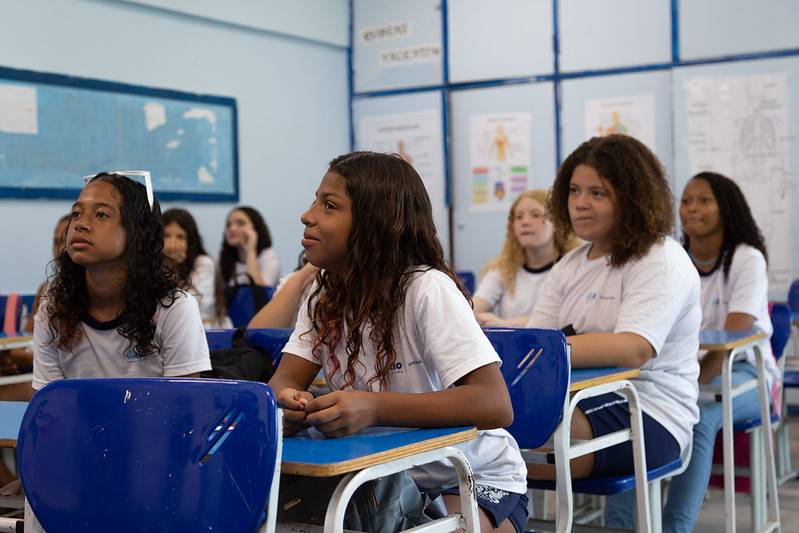
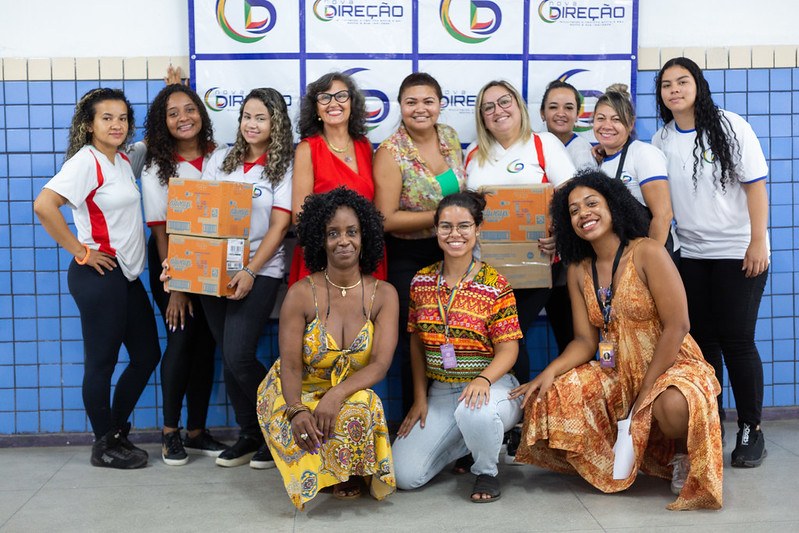
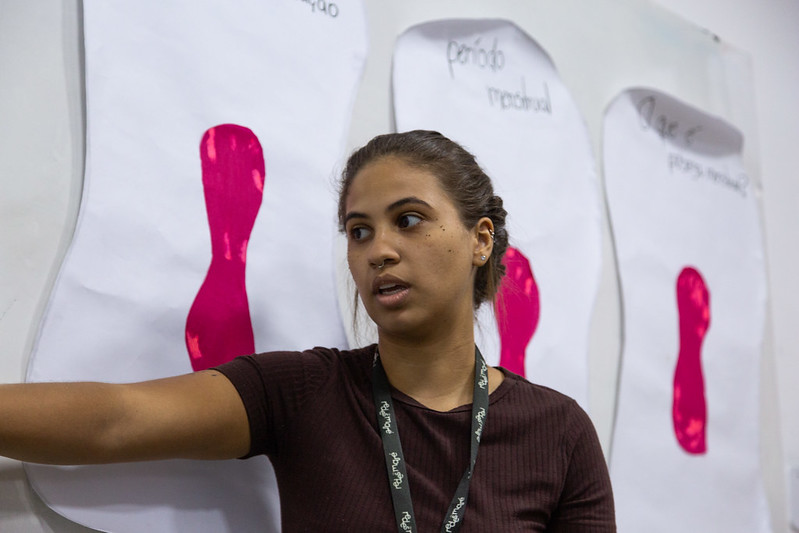
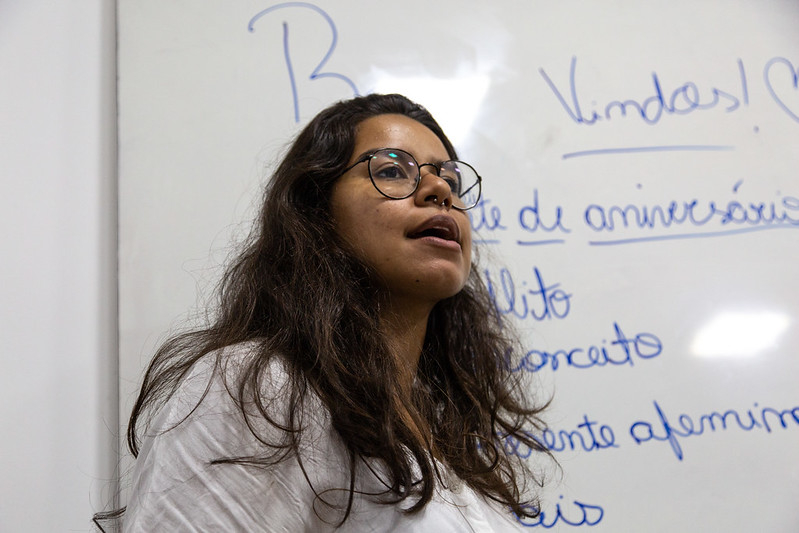
Photos 01 and 02: Conversation circle on menstrual poverty, carried out by the Sexual and Reproductive Rights Front of the Women’s House (“MARÉAS”) with high-school preparatory students, at Redes headquarters.

The Women’s House of Maré mobilizes and articulates with Maré leaders, schools and health units of the territory to advance the debate on reproductive justice. This front involves:


Workshops on gender and sexuality in schools
We conduct workshops on gender and sexuality in schools with high-school students in partnership with the School of Social Service of UFRJ, aiming to expand access to quality information and create continuous spaces for conversation, listening and welcoming within schools. In these meetings, themes such as health, care, pleasure and dignity are discussed. The approach is playful and participative, addressing topics such as stereotypes and gender identity, sexual diversity, relationships, violence, affections and sexual and reproductive health, always considering issues of gender, race, age and territory.
Action and local knowledge
From knowledge production about the territory, community mobilization, ongoing training and dialogue with institutions, we seek to give visibility to the experiences and demands of women of Maré and broaden the public conversation about reproductive justice.
We believe that effective and inclusive policies must arise from local realities and be built together with the people who live these issues. Therefore, it is fundamental to strengthen connections between civil society organizations, universities, public bodies and residents, transforming data and experiences into actions that guarantee care, autonomy and reproductive dignity for favelas.
Project coordination: Myllenne Fortunato
Research, education and articulation:Carla de Castro Gomes
Research, education and articulation:Brenda Vitória
Project articulation: Andreza Dionisio
Political advocacy: Milena Afonso
Political advocacy: Moniza Rizzini
Communication: Andrea Blum
Institutional supervision:Maïra Gabriel Anhorn
Financial management:Ivanise Barbosa
Anis – Reproductive Justice, Citizenship, Human Rights and Equality
Cepia – Citizenship, Research, Study, Information and Action
Dijure – Dialogues on Reproductive Justice, developed by the Federal University of the State of Rio de Janeiro (UNIRIO) in partnership with the Federal Rural University of Rio de Janeiro – Three Rivers Institute/UFRRJ/ITR and the Fluminense Federal University/UFF)
School of Social Service of the Federal University of Rio de Janeiro (ESS-UFRJ)
Rede de Assistentes Sociais Pelo Direito de Decidir (RASPDD)
Email: casadasmulheres@redesdamare.org.br
WhatsApp da Redes da Maré: (21) 99924-6462
TODOS OS DIREITOS RESERVADOS @ 2025 REDES DA MARÉ - Associação Redes de Desenvolvimento da Maré
As imagens veiculadas neste site tem como objetivo divulgar as ações realizadas para fins institucionais. Entendemos que todas as fotos e vídeos têm o consentimento tácito das pessoas aqui fotografadas / filmadas, mas caso haja alguém que não esteja de acordo, pedimos que, por favor, entre em contato com a Redes da Maré para a remoção da mesma (redes@redesdamare.org.br).