PROJECT

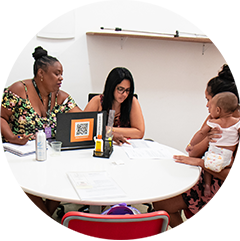
The Women’s House of Maré is a facility of Redes da Maré focused on the pursuit of guaranteeing access to rights and gender equity. It is a space for data and knowledge production, articulation, mobilization, assistance, welcoming, and political advocacy, so that women, in their plurality, can improve their living and existence conditions and see their rights fulfilled. As part of its work, it provides psychosocial care to girls and women.


WHO CAN RECEIVE CARE

The Women’s House of Maré (CDMM) offers care to girls and women from 12 years of age, residing in one of the 15 favelas of the Maré Favela Complex, who need welcoming, guidance, and referral in their mental health, social assistance, and legal assistance demands. The care is provided from an intersectional perspective that combines anti-racist, anti-sexist, and anti-LGBTphobic concerns.


LISTENING, ARTICULATION, AND REFERRAL

Students of the Maré of Beauties and Flavors of Maré courses are assisted at CDMM through prior care or by referral from the teachers. During the week, these women also have the possibility of joining therapeutic groups, but it is necessary to seek prior information about available slots for new participants.

Care is provided by an interdisciplinary team composed of social workers, psychologists, mental health residents (IPUB/UFRJ), and interns from the Social Work course at the Federal University of Rio de Janeiro (UFRJ). Both partnerships, with the Institute of Psychiatry and with the Federal University of Rio de Janeiro, are of extreme importance to ensure the effectiveness and consistency of the care.

Through qualified listening, the team identifies issues that involve gender-based violence; difficulty in accessing social rights; and the right to health related to clinical and mental health issues. Thus, articulations are made with public services that guarantee the women assisted access to their basic rights.

OBJECTIVES

The Psychosocial Care Project, carried out at the the Women’s House of Maré, has as its main objective the promotion of mental health care and the fostering of protagonism among women from Maré. Its specific objectives include expanding access to information about the care and support network for women, as well as facilitating the flow of care for women who are in situations of domestic and family violence.

CARE SERVICES

The women assisted are referred to public service agencies responsible for rights. We also articulate specific cases with local intersectoral institutional networks to assist women in situations of vulnerability; we hold case study meetings on the women assisted; we facilitate therapeutic and reflective groups with women who have personal and family demands; and we refer women to courses, groups, and projects of Redes da Maré and other civil society organizations in the territory.

In cases of women in situations of violence, we also refer them to Specialized Health Network facilities and to Specialized Centers for the Care of Women in Situations of Violence, such as CRM Suely de Souza, CRMM Carminha Rosa, and CEAM Chiquinha Gonzaga, so that they may receive legal assistance from the Special Nucleus for the Defense of Women’s Rights.

CARE HOURS

Care is provided through on-call service shifts, which take place on Fridays at Ciep Gustavo Capanema in the afternoon, and on Saturdays in the morning at Women’s House of Maré.

Also, at CDMM, throughout the week, we attend to spontaneous demands, welcoming students who participate in the Flavors of Maré and Maré of Beauties courses. Other channels of care for women from Maré are therapeutic groups, with around 10 women per group, in the age range of 48 to 60 years. At present, there are 4 groups in activity.

We are committed to providing a safe and welcoming environment so that women can share their concerns, fears, and anxieties.

MULHERES EM MOVIMENTO (WOMEN IN MOVEMENT)

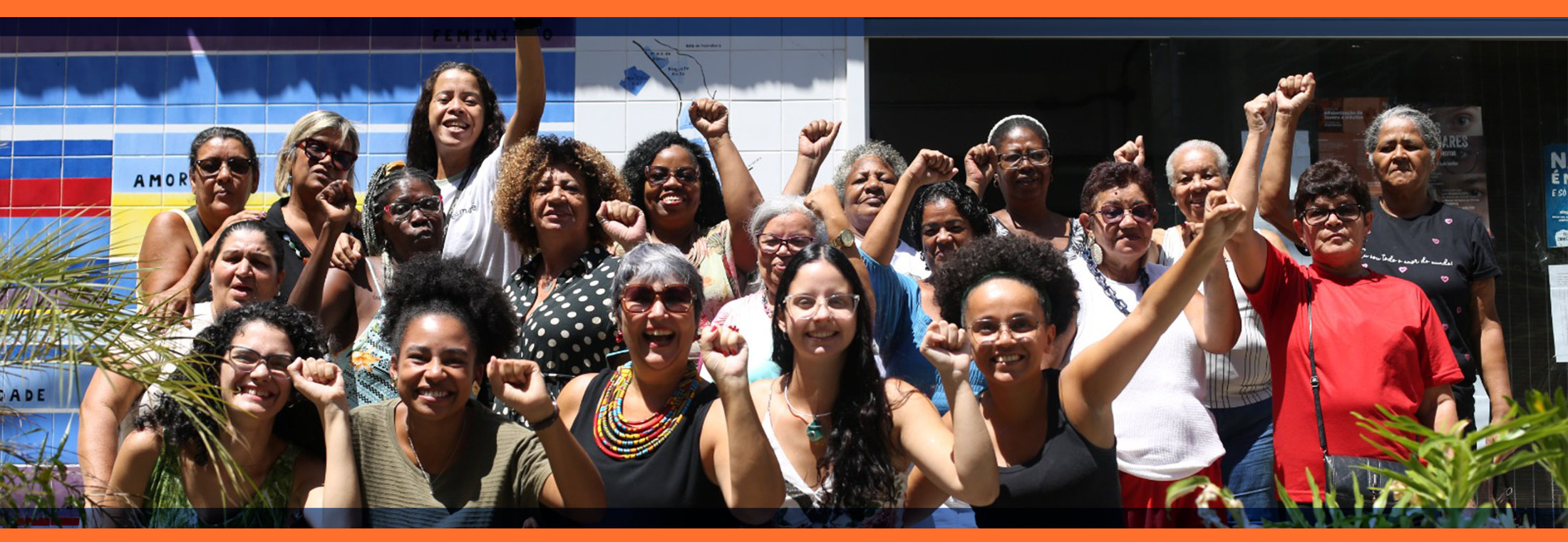
“Mulheres em Movimento” is a psychosocial care initiative aimed at women who have suffered and continue to suffer violence by the State, which, instead of acting to ensure the life of the population, often acts by disrespecting and violating their rights, leading to serious consequences and irreparable losses for residents of the territory.

A project of the Women’s House of Maré, with support from the Center for Studies and Research on Favelas and Popular Spaces of UFF (NEPFE), it seeks to create a safe space of welcoming, protection, and protagonism for women whose lives have been crossed by institutional violence, whether by the police that victimize their children or by domestic violence, aggravated by the negligence of the protection network for favela residents.

In Maré, all women are impacted by armed violence, which prevents access to mobility, health, education, and work. Mothers who lost children to this violence face even greater violations, such as the denial of the right to memory and justice, affecting their mental health and quality of life. Victims of domestic violence, in turn, often find themselves silenced and unprotected, because services that should arrive do not reach the territory, such as the Maria da Penha Patrol.

The project promotes autonomy and articulation among these women through individual care, biweekly meetings, and political training. In addition to referrals to the protection network and to educational and work opportunities, it fosters the right to the city, to culture, and to leisure, enabling visits to different spaces, performances, and events that discuss themes such as gender, race, class, and territory. Articulations are also carried out with institutions and social movements of interest to the group.


From Mourning to Struggle


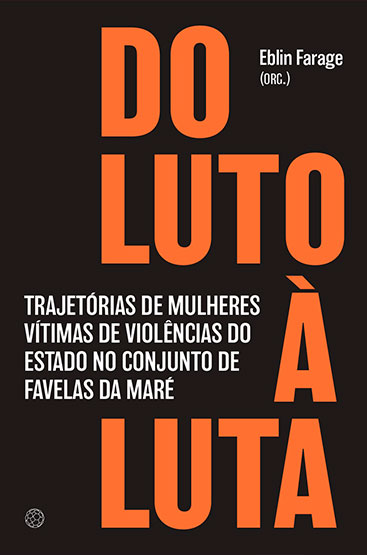
Organized by Professor Eblin Farage, this book is the result of a partnership between Redes da Maré and the Center for Studies and Research on Favelas and Popular Spaces (NEPFE) of UFF, and is part of a movement of resistance, bringing together testimonies of women about their desires, fears, memories, and hope.


From Mourning to Struggle (PDF)


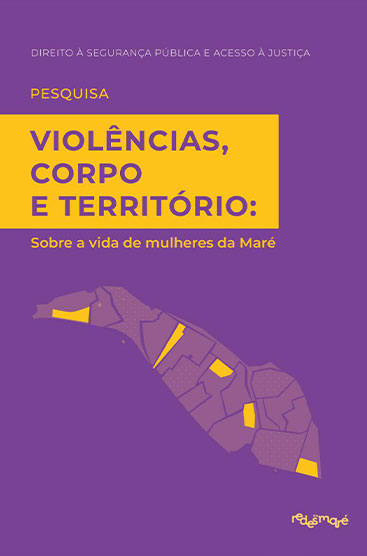
Violence, Body, and Territory


The research “The impacts of armed violence on the lives of women in Maré: gender, territory, and artistic practice” was based on data collected by the Eyes on Maré project on the consequences of armed violence in the territory.

The mentioned research was carried out through a partnership between the Axis of the Right to Public Security and Access to Justice and Women’s House of Maré, both of Redes da Maré, together with the Federal University of Rio de Janeiro (UFRJ), Cardiff University, and the University of Warwick.

The study gave rise to the publication “Violence, body, and territory: on the lives of women from Maré” and aimed to understand the effects of armed violence on the different dimensions of life of women residents of the Maré Favela Complex. In addition, it sought to identify the protection and care strategies developed by them in this context.

The research investigated the relationship between armed violence and gender-based violence, articulated with markers such as race/ethnicity, class, generation, and territory. The objective was to produce knowledge that strengthens actions and public policies based on the territory, recognizing women as subjects of rights and valuing the practices they themselves already create and sustain to confront these violences.

Designed collaboratively, the research ensured that participating women had protagonism and agency in the process, combining academic investigation, direct follow-up, and the promotion of body awareness through artistic workshops.

Using the Action Research methodology, the project brought together different fronts of action: follow-up of a group of 50 women; body-based artistic workshops; conversation circles; interviews; training of researchers from the territory; visits to locations in the city; referrals to the socio-legal care team, when necessary.

We aim to have girls and women in the territory of Maré increasingly informed about their social rights, with access to training and income, so that they have autonomy and possibilities of choice. To this end, we consider the promotion of access to mental health to be essential, a right that must be public and expanded for all.

TEAM

Coordinator of the Psychosocial Care Project: Antonia Carmem Costa de Sousa

Social workers: Fernanda do Vale and Juliana Moura Souza

Mental Health Residents at IPUB: Anne Elizabeth Soares Rodrigues (Nurse) and Catherine de Oliveira Scott Brand Belmondo dos Santos (social worker)

Social Work Interns at UFRJ: Beatriz Guarany de Souza Pereira and Sarah Isabelly Freires Américo de Melo

Articulator: Isabel Cristina Lopes Barbosa

UFRJ Extension Students: Alice Canto Ribeiro Monteiro de Barros, Andressa de Oliveira Carlos Aguiar, Dâmilla Gomes Netis Teles, Elen Sara Lima Braça, and Giovana Mota Arantes

RELATED PROJECTS

Stay tuned! Sign up for our newsletter