PROJECT

What is Weaving solutions?

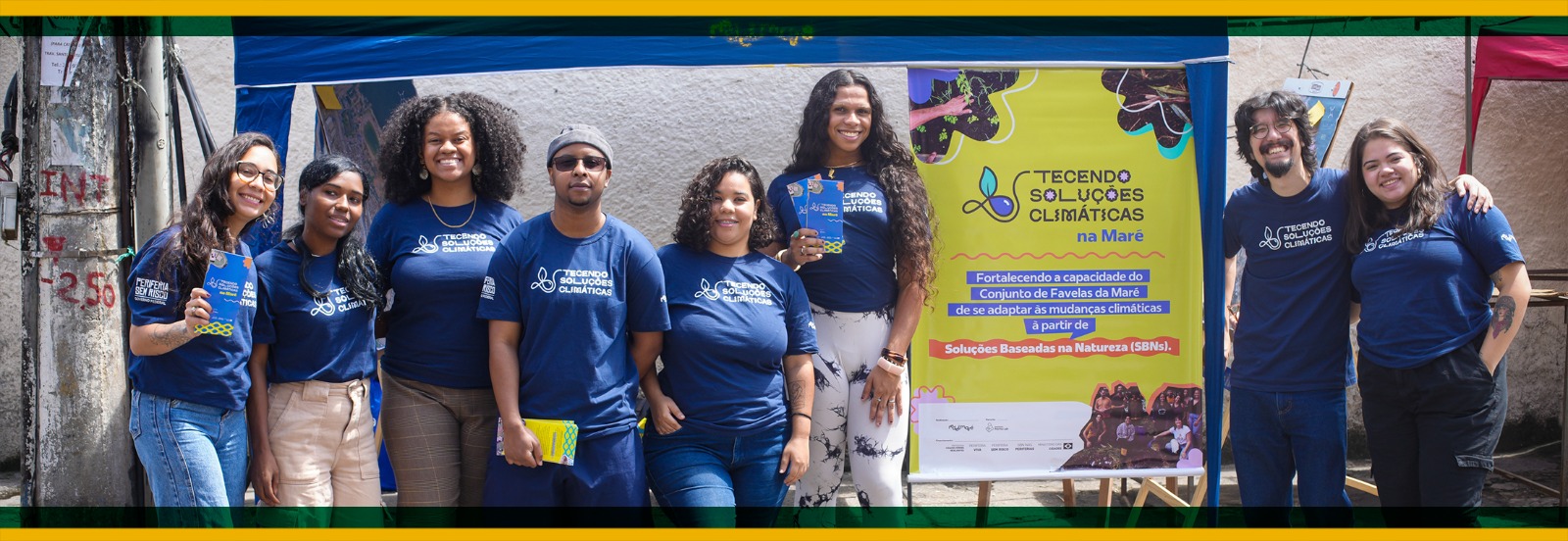
Redes da Maré is developing Weaving Climate Solutions in Maré to expand the territory's green infrastructure and create effective responses to the effects of climate change. The project is carried out by the Urban and Socio-Environmental Rights Axis (Dusa), through the Ministry of Cities' Resilient Green Cities Programme. Redes da Maré is the only civil society organization among the 11 projects selected through the public call for proposals.

By 2027, 37 Nature-based Solutions will be implemented in different parts of Maré: five green roofs, seven community gardens, 15 composting units and 10 rain gardens. These interventions address problems such as extreme heat, flooding, organic waste disposal and the lack of green spaces.

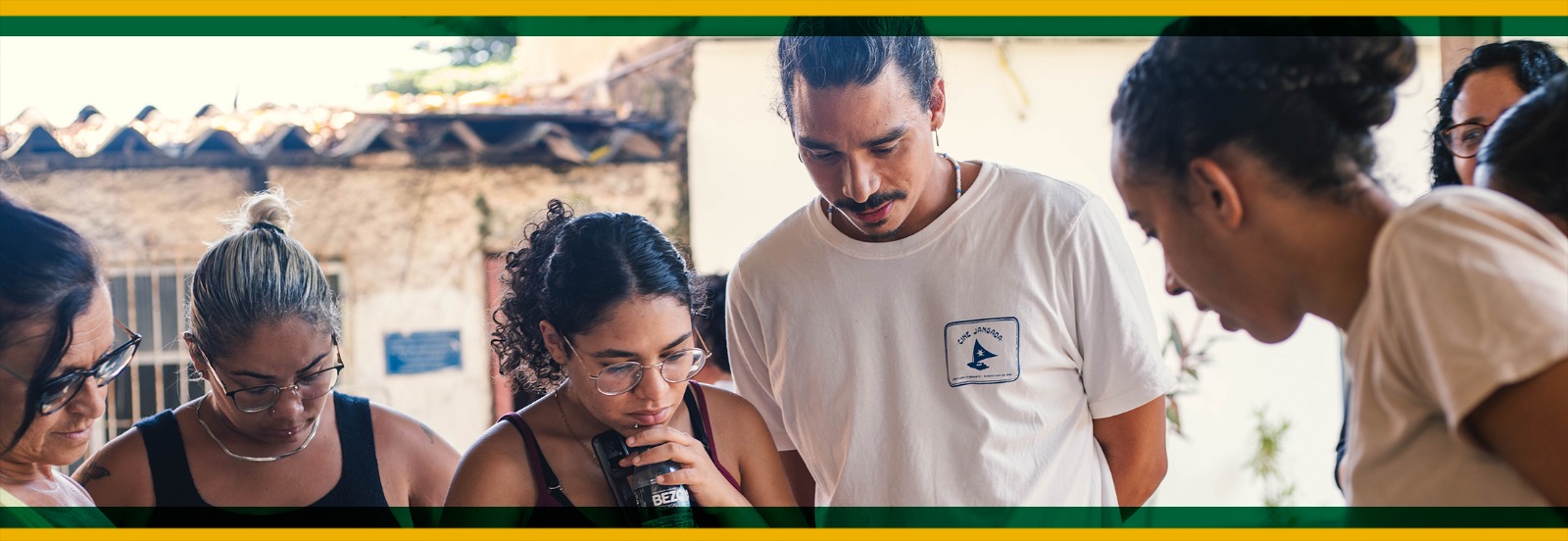
The project also trains young residents to become climate agents. They take part in assessments, community mobilization and the selection of locations for the interventions.

Weaving Solutions is Redes da Maré's fourth project dedicated to the climate agenda. Before it, initiatives such as Breath Maré, EcoClimate and CliMaré generated data on the territory and tested socio-environmental technologies. The new project builds on this experience and takes solutions to different areas of Maré.

37
Nature-based Solutions
5
Green roofs
7
Community gardens
15
Composting units
10
Rain gardens

37 solutions across Maré

Nature-based Solutions (NbS) use natural elements and processes to address urban environmental problems. In Maré, they will be installed in public facilities, community spaces and other areas identified through assessments and with residents' participation.

Composting units

15 units

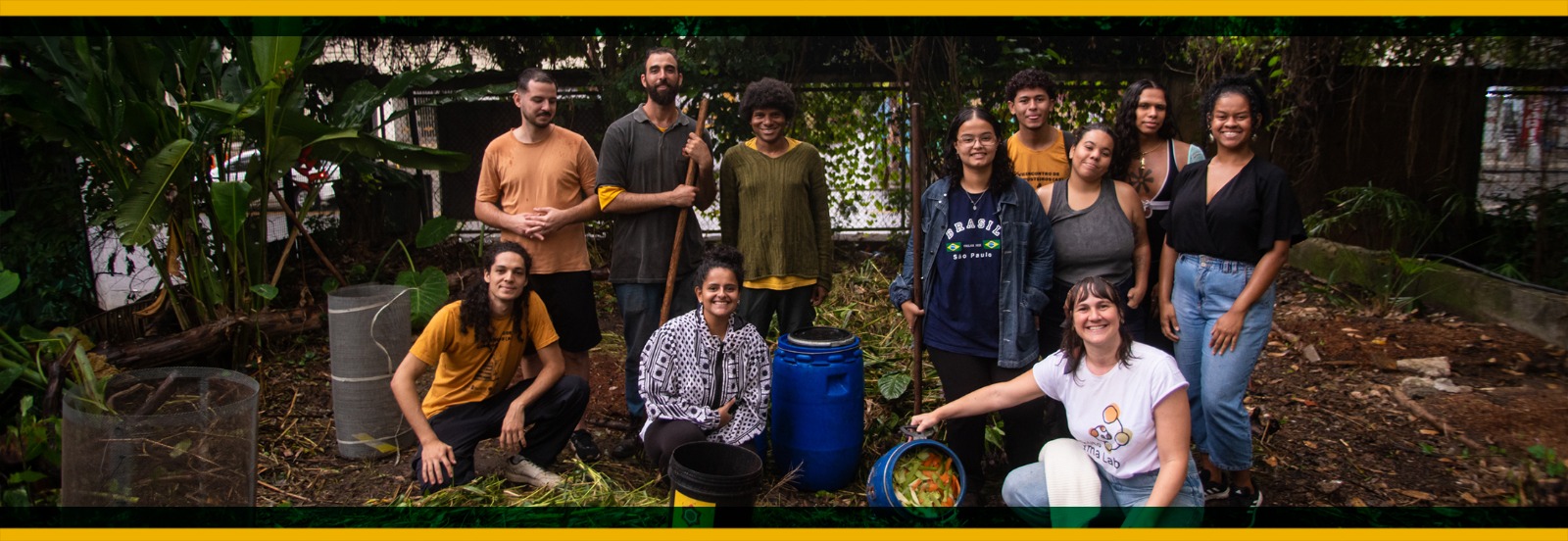
They will be installed mainly in schools and community spaces. They turn organic waste into compost and also serve as a tool for environmental education. Existing experience at EDI Maria Amélia Castro e Silva Belford will help guide this stage. Two composting units installed at the school received more than 300 kilograms of organic waste over five months and produced approximately 100 liters of fertilizer.

Rain gardens

10 units

They help absorb rainwater and improve drainage. They also increase the territory's permeable and green areas.

Community gardens

7 units

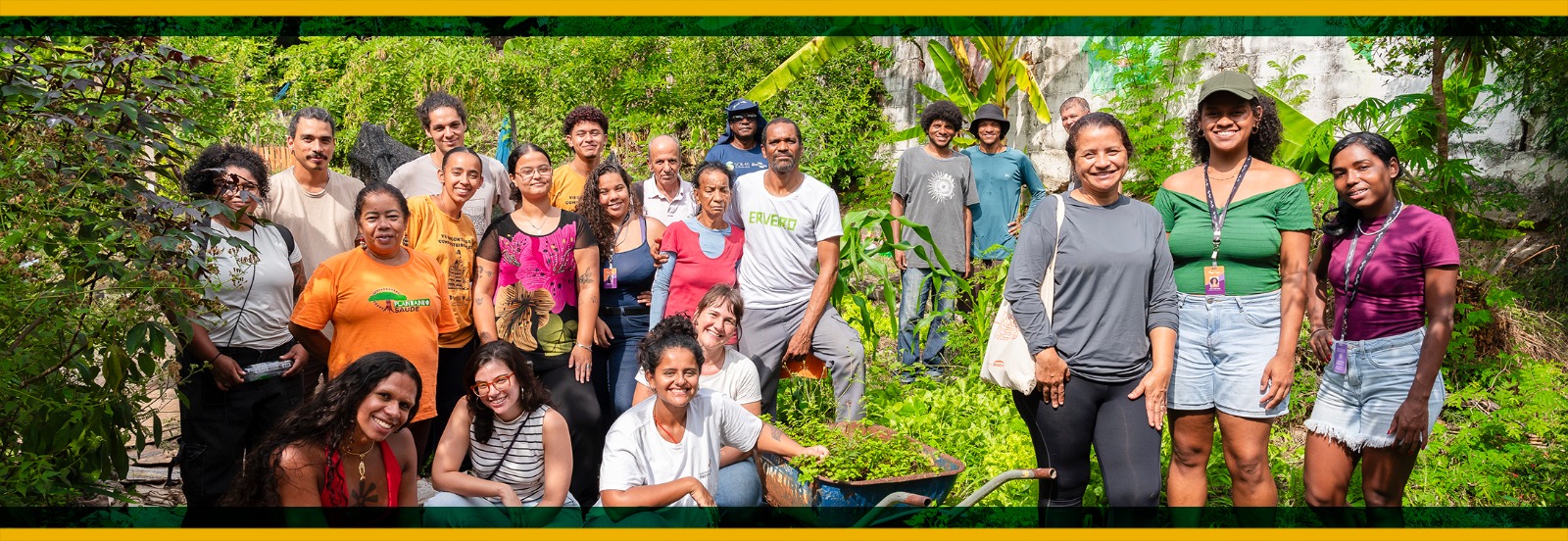
They will be established in healthcare facilities and other shared spaces. The gardens combine food production, environmental education and community interaction. The Redes da Maré garden in Vila do João is already an example of this type of initiative. The space brings together residents, environmental agents and cultivation activities, and is expected to host environmental education initiatives.

Green roofs

5 units

They will be installed on community facilities and at local organizations. Vegetation helps retain rainwater and can reduce indoor temperatures.

Why are these solutions necessary?

Climate adaptation depends on the specific conditions of each territory.

In Maré, high temperatures, flooding, lack of tree cover, waste disposal and sanitation problems are part of everyday life in different communities. These problems have been documented in research and activities carried out by Redes da Maré over recent years.

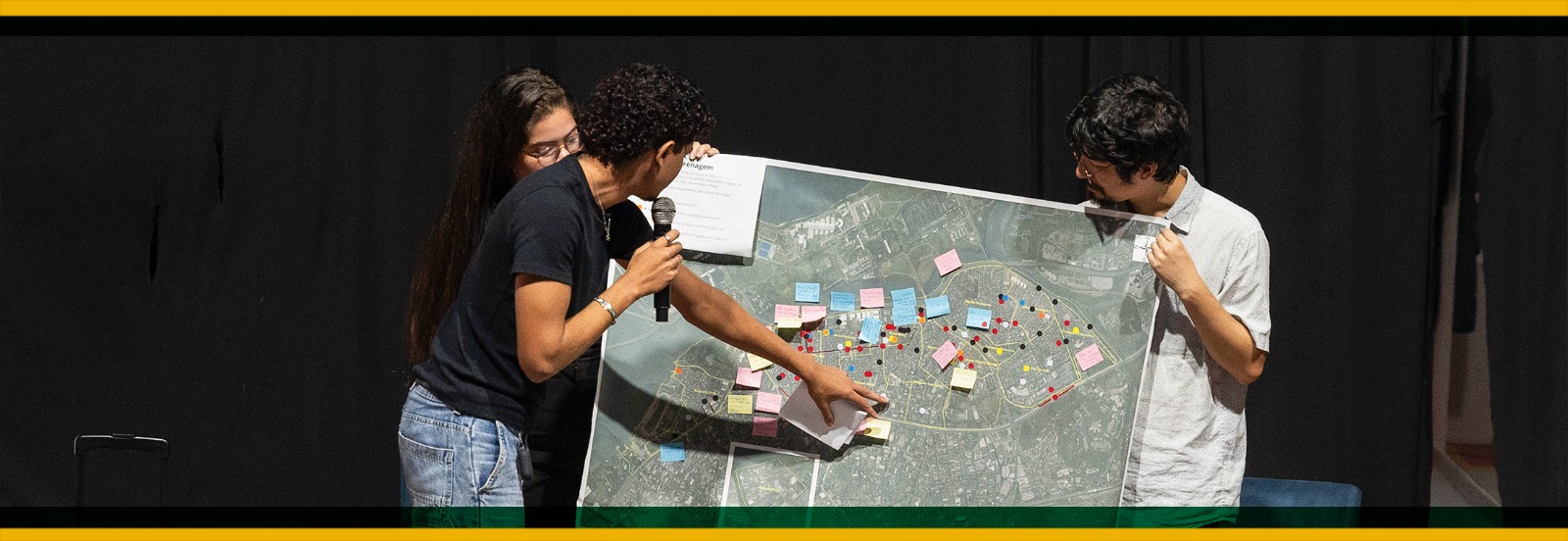
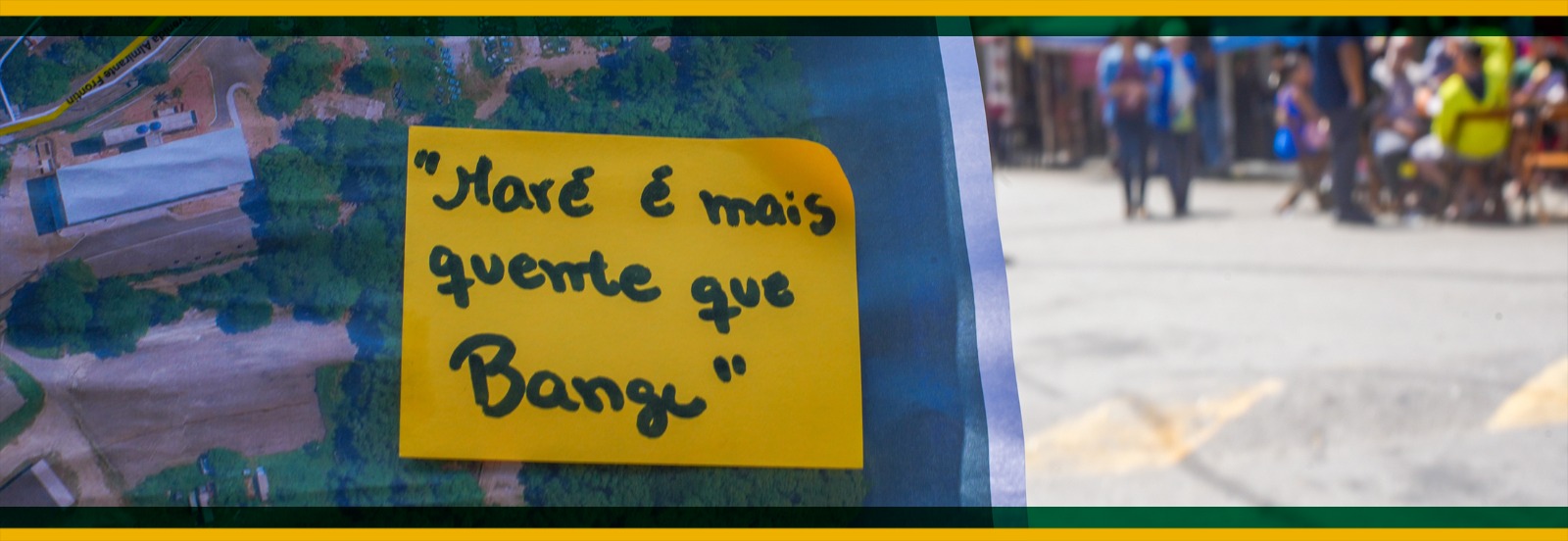
In June 2026, for example, residents took part in a mapping exercise that identified flood-prone areas, heat hotspots, water shortages and sites of illegal waste disposal.

Previous Dusa projects have also helped build this body of knowledge. Breath Maré collected data on temperatures on temperatures across the territory. EcoClimate developed prototypes for composting units, green roofs and biodigesters. CliMaré began investigating the relationship between climate, health and housing conditions.

Now, Weaving Climate Solutions in Maré draws on this accumulated experience to implement solutions on a larger scale.

Training climate agents

A key stage of the project is the Climate Agent Training Programme, aimed at young Maré residents aged 18 to 29. The programme prepares participants to work in socio-environmental mobilization and the implementation of technologies. It is divided into three modules.

Foundations and reflection

Introduces concepts related to climate change and connects the subject to urban conditions in Maré.

NbS: Theory and Practice

Covers topics such as permaculture, agroecology and socio-environmental technologies.

Community Mobilization and Consensus-Building

Prepares agents to conduct assessments, engage in dialogue with residents and plan activities at the locations where solutions will be implemented.

Activities include classes, discussion circles, walks through the territory, technical visits and field trips. The agents also take part in exchanges with other urban agriculture and agroecology initiatives.

During one activity, young participants visited the Horta Carioca community garden at Morro do Salgueiro to learn about cultivation and management techniques. On another occasion, agents from Weaving Solutions and CliMaré visited agroforestry, composting and food production initiatives in Serra da Misericórdia.

Solutions are defined together with the community

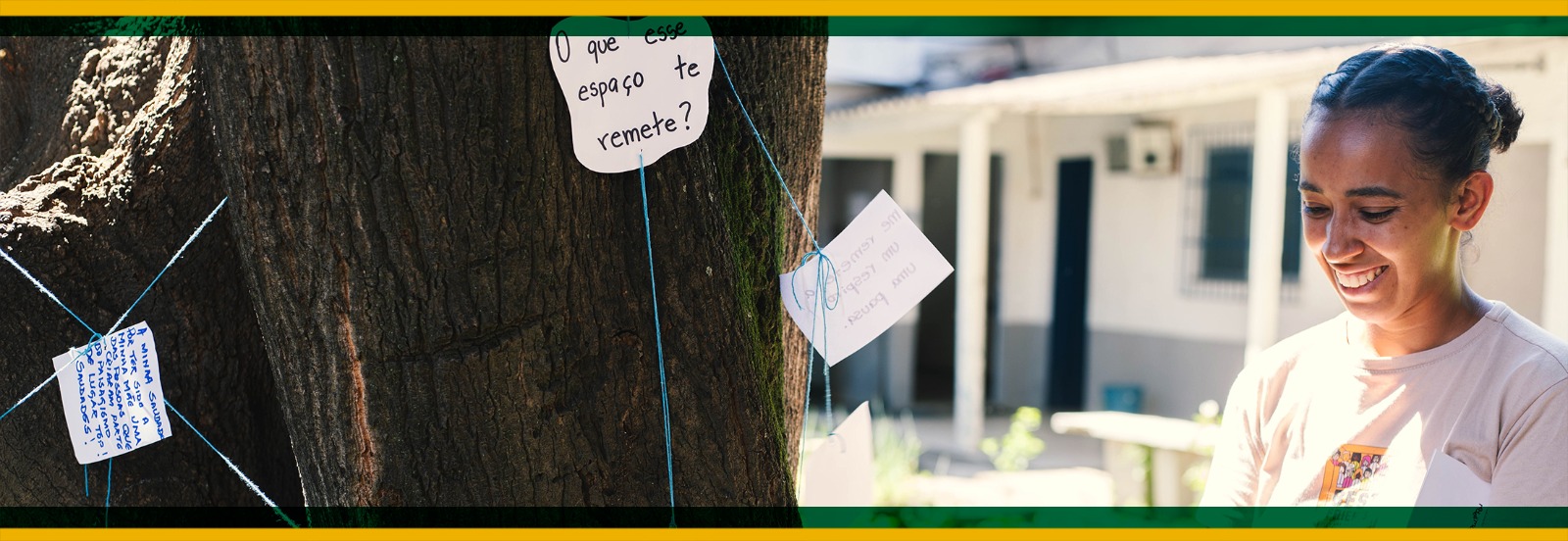
The locations for the interventions are selected with the participation of climate agents, residents, organizations, healthcare professionals, educators and community leaders.

This consultation directly influences the design of the solutions themselves.

In schools, for example, the installation of composting units takes into account each school's daily routine, the staff available and how the technology can be incorporated into its educational programme.

The same principle guides other interventions. The aim is to avoid isolated initiatives and adapt each solution to local conditions.

Implementation is only one stage

Each solution is monitored as soon as it is installed.

A local representative takes part in monitoring and maintenance, working in coordination with schools, healthcare facilities, residents' associations and other institutions involved. The project's technical team also monitors how the interventions are functioning.

This ongoing care is essential to ensure that gardens, composting units, green roofs and rain gardens continue to operate after installation. Maintenance also brings residents closer to these technologies and expands their knowledge of how to use them.

A pilot experience in climate policy

Weaving Solutions is part of a federal initiative to implement Nature-based Solutions in urban peripheral areas.

Redes da Maré is the only civil society organization among the 11 projects selected through the Resilient Green Peripheries public call for proposals. The other initiatives provide opportunities to test different approaches to climate adaptation and develop models that can inform public action in other territories.

This participation also brings knowledge produced in favelas into the national debate on climate policy.

Testimonials


“I have always wanted to work with gardens and composting, finding a destination for solid waste. Working with rain gardens in a territory without pavements is also a challenge.”

Isabela Oliveira, 29, resident of Morro do Timbau and environmental mobilization agent for Weaving Solutions.

“The possibility of working with nature-based solutions in a favela territory feels like a challenge that motivates me to be part of Weaving Solutions. Bringing the favela closer to nature again is a victory.”

William Moura, 26, resident of Parque Maré and environmental mobilization agent for Weaving Solutions.

“It is a pleasure to move beyond the individual and work collectively. The project brings forward proposals that connect with my everyday life and addresses socio-environmental issues, environmental racism and the place of the city. We discuss these situations, but we don't stop at talking about them: we take action.”

Sara Cardoso, 26, resident of Ramos and environmental mobilization agent for Weaving Solutions.

TEAM

Project Coordination
Rian de Queiroz

Project Management
Everton Pereira

Mobilization Coordination
Vitória Belarmino

Communications Coordination
Bárbara Diniz

NbS Implementation Coordination
Mari Anna Firmino

Training Coordination
Clara Trevia
João Sousa e Silva

Assessment Coordination
Danilo Sato

Coordination Assistant
Gabriela Conc

Assessment Researcher
Dalcio Marinho

Assistant Assessment Researcher
Maria Ribeiro

Data Analyst
Juliana Guedes

Environmental Educators – PermaLab
João Marcelo
Juliana Sá

Mobilization Agents
Anne Loise Cruz da Silva
Ingrid Juvenal e Silva
Isabela de Oliveira da Silva
João Pedro Nunes Pereira Gouveia
João Pedro Xavier Gomes
João Sousa e Silva
Lucas de Souza da Silva
Maya Alves Rodrigues
Sara Cardoso Pinheiro
Wilian de Moura da Silva
Yolanda Gabriela de Souza da Silva

SUPPORTING PARTNERS

Resilient Green Cities Programme

Periferia Viva

Periferia Sem Risco

NbS in the Peripheries

Ministry of Cities


NEWS


RELATED PROJECTS

Stay tuned! Sign up for our newsletter