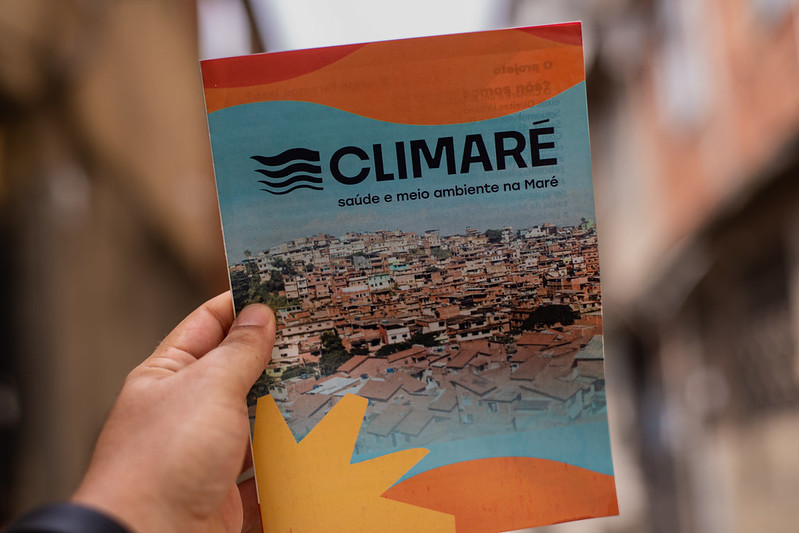
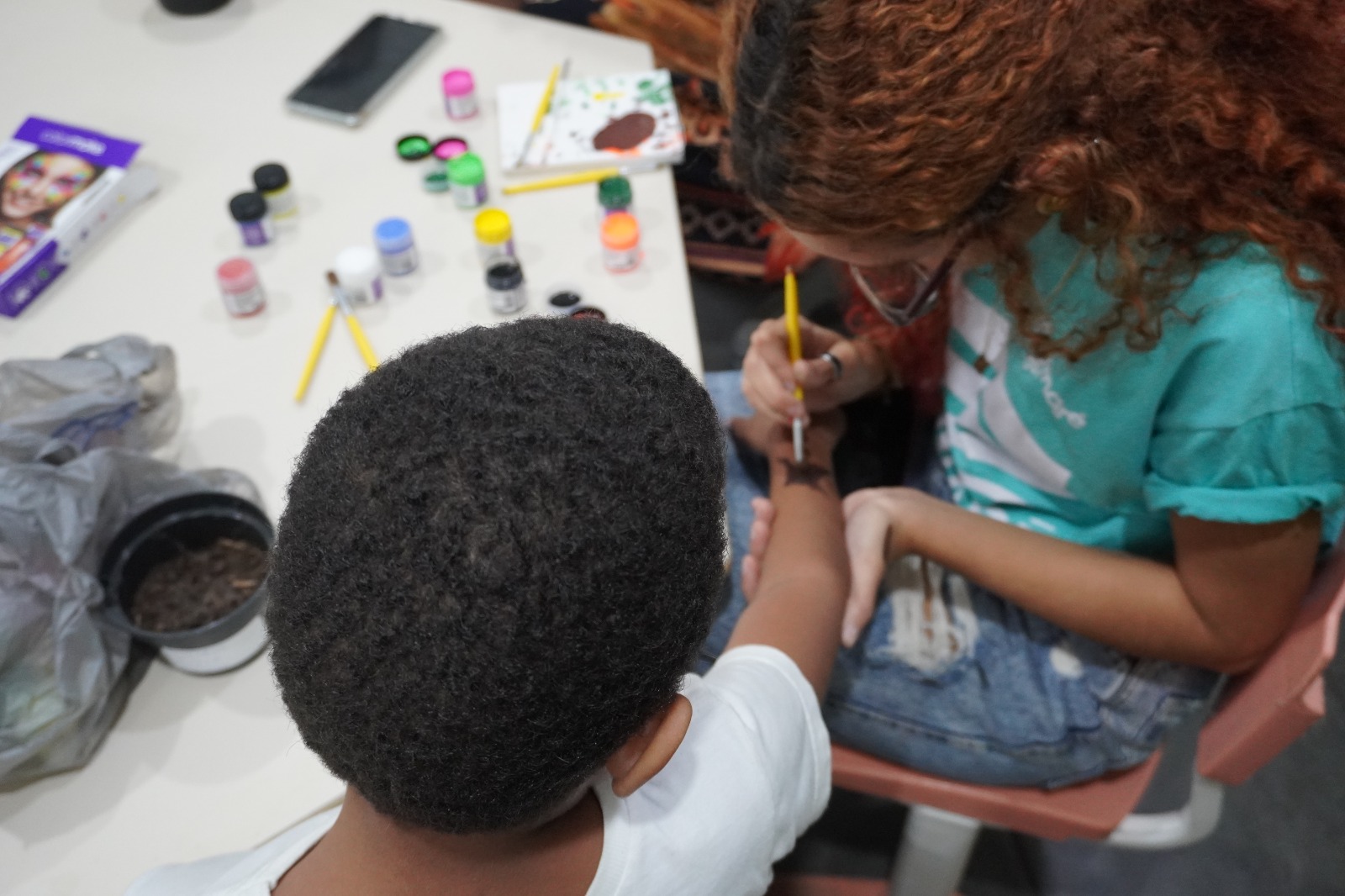
CliMaré is a research and community action project that investigates the impacts of extreme heat on the health and daily lives of people in Maré, promoting environmental education and proposing local solutions.
The research starts from problems commonly experienced in the territory, such as high temperatures, humidity, mold and poor air quality. Its aim is to understand where these problems are most severe, who is most affected and which solutions can be implemented in people's homes.
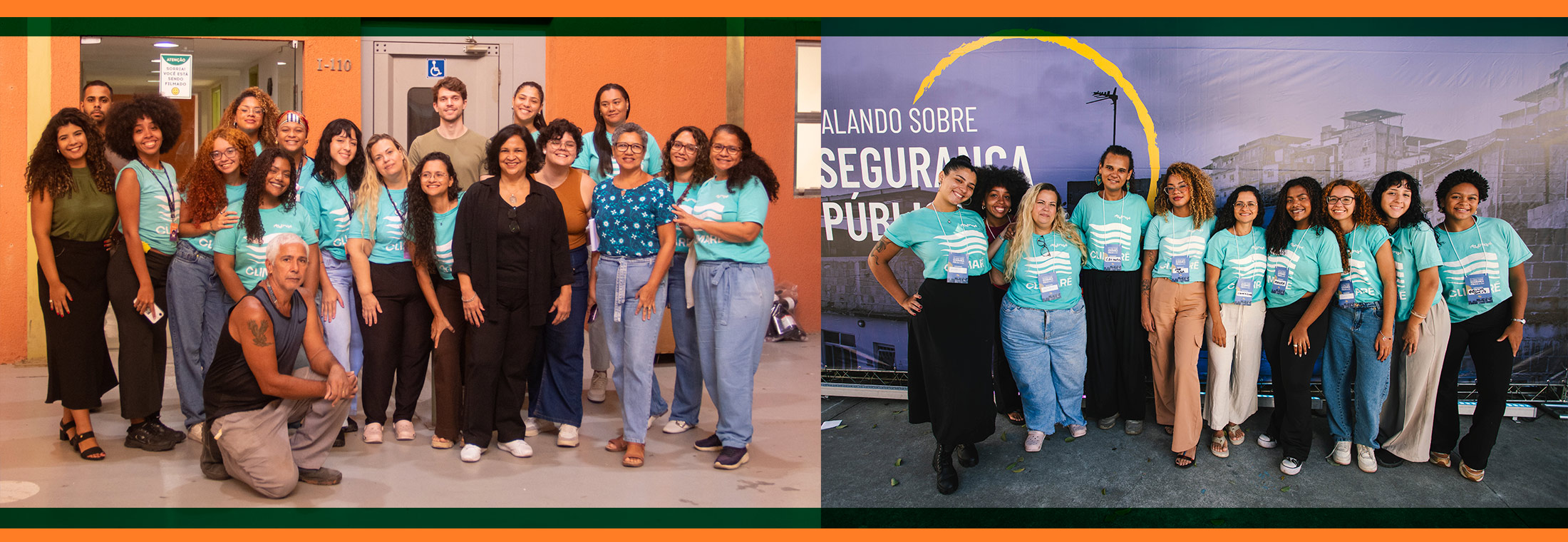
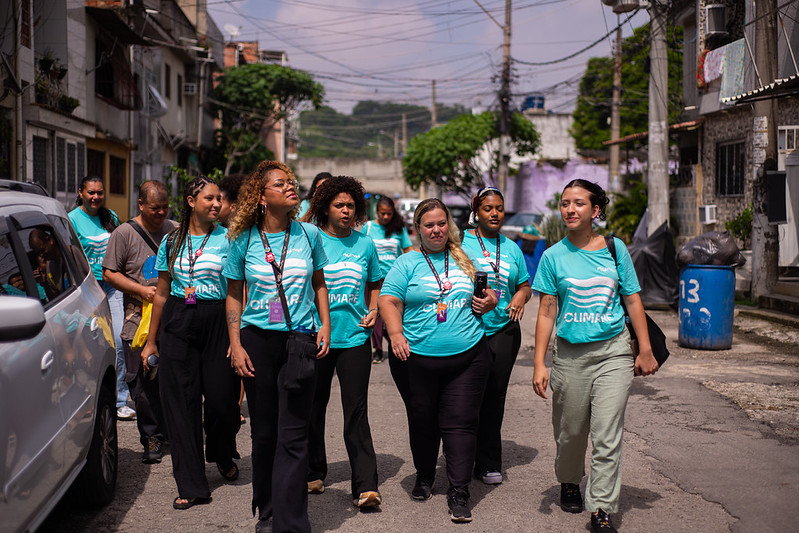
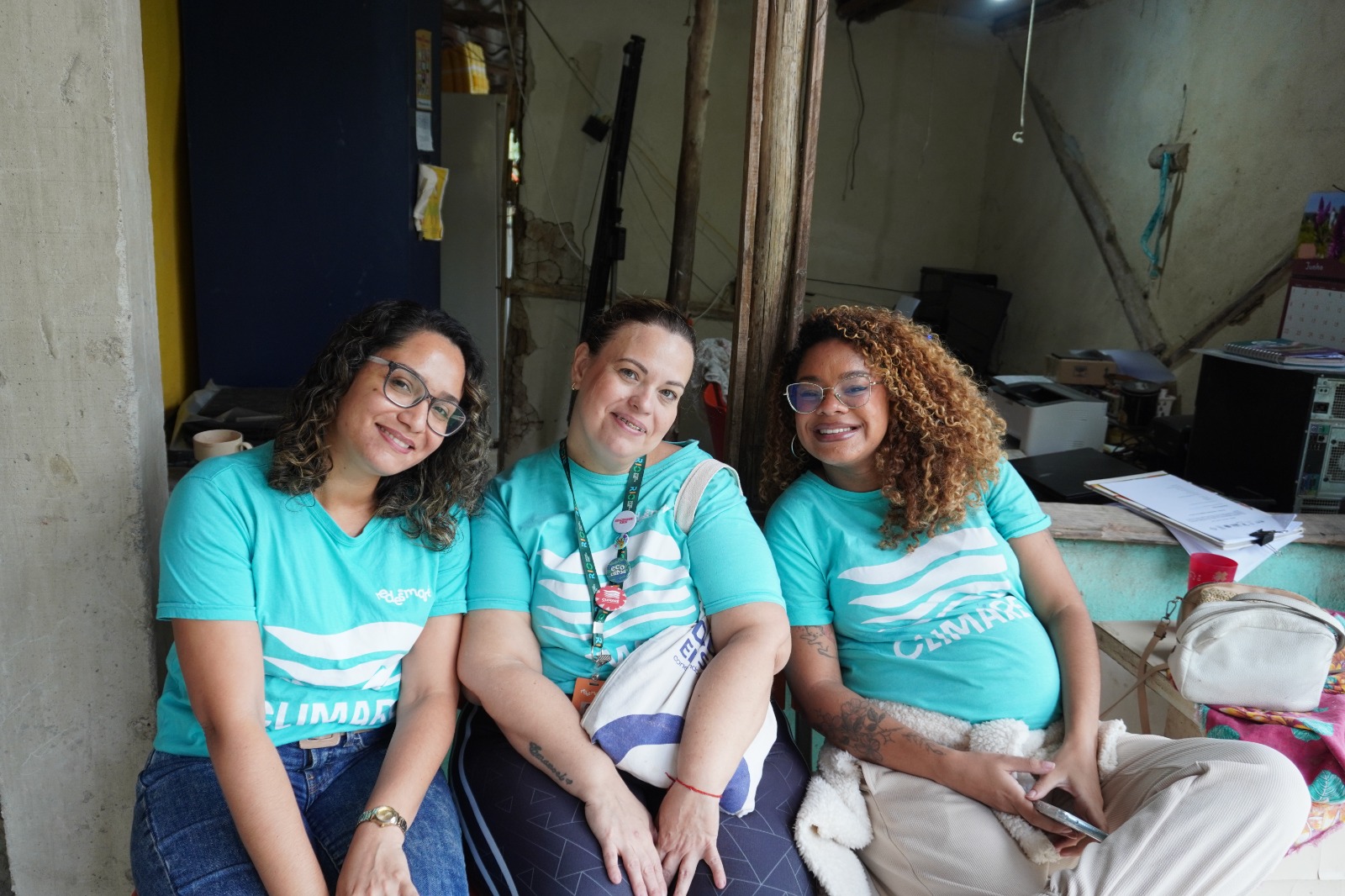
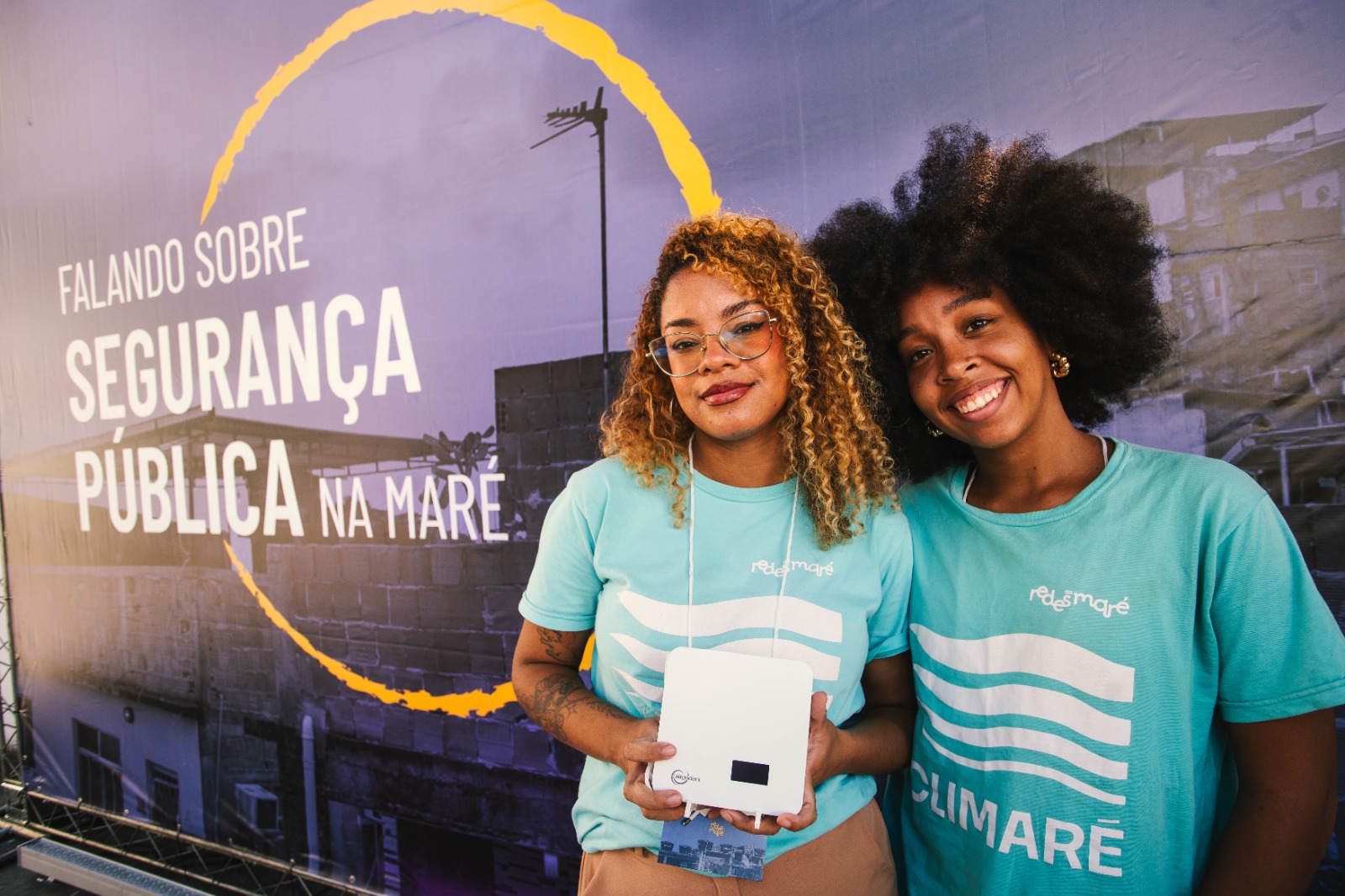
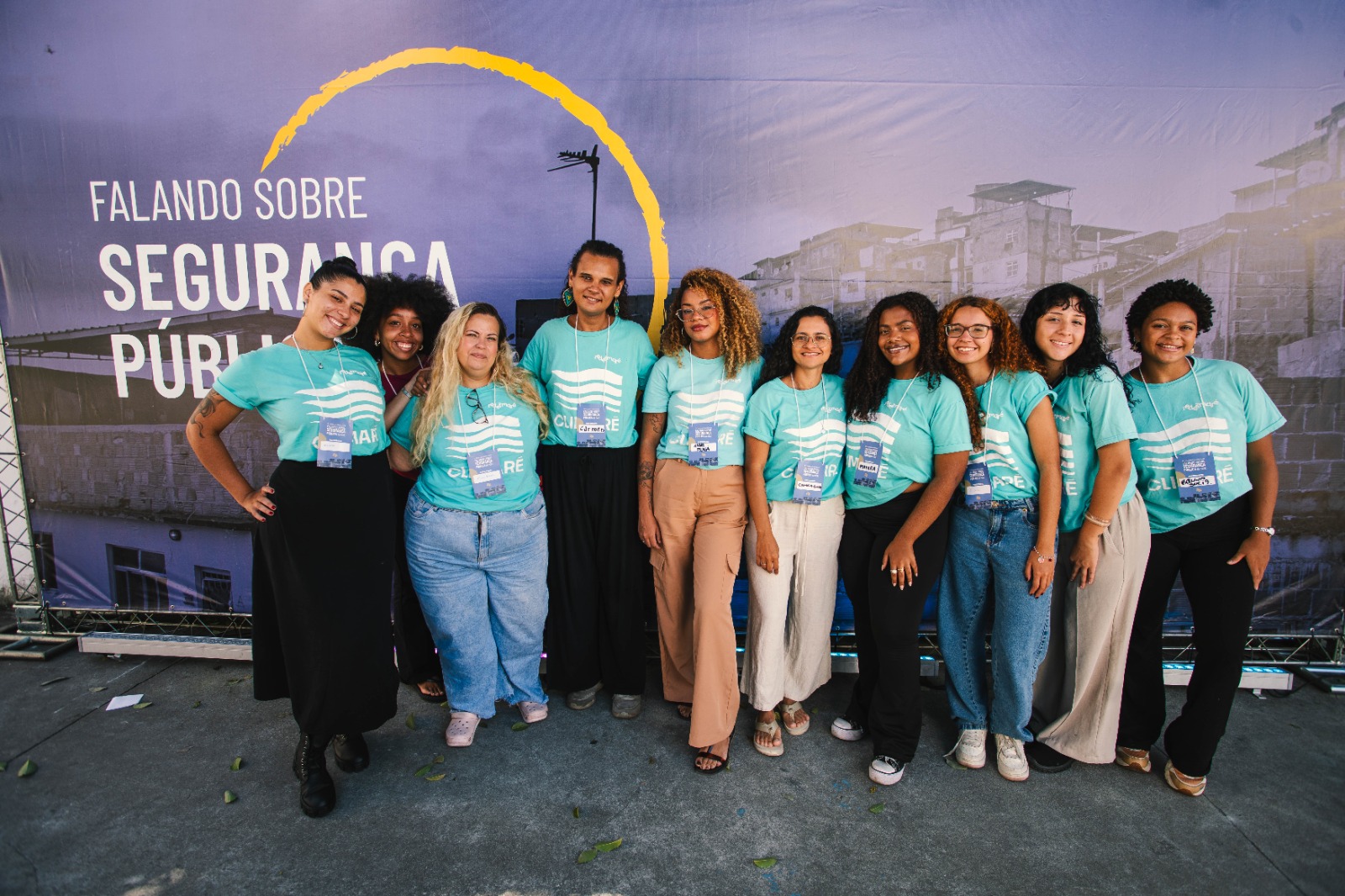
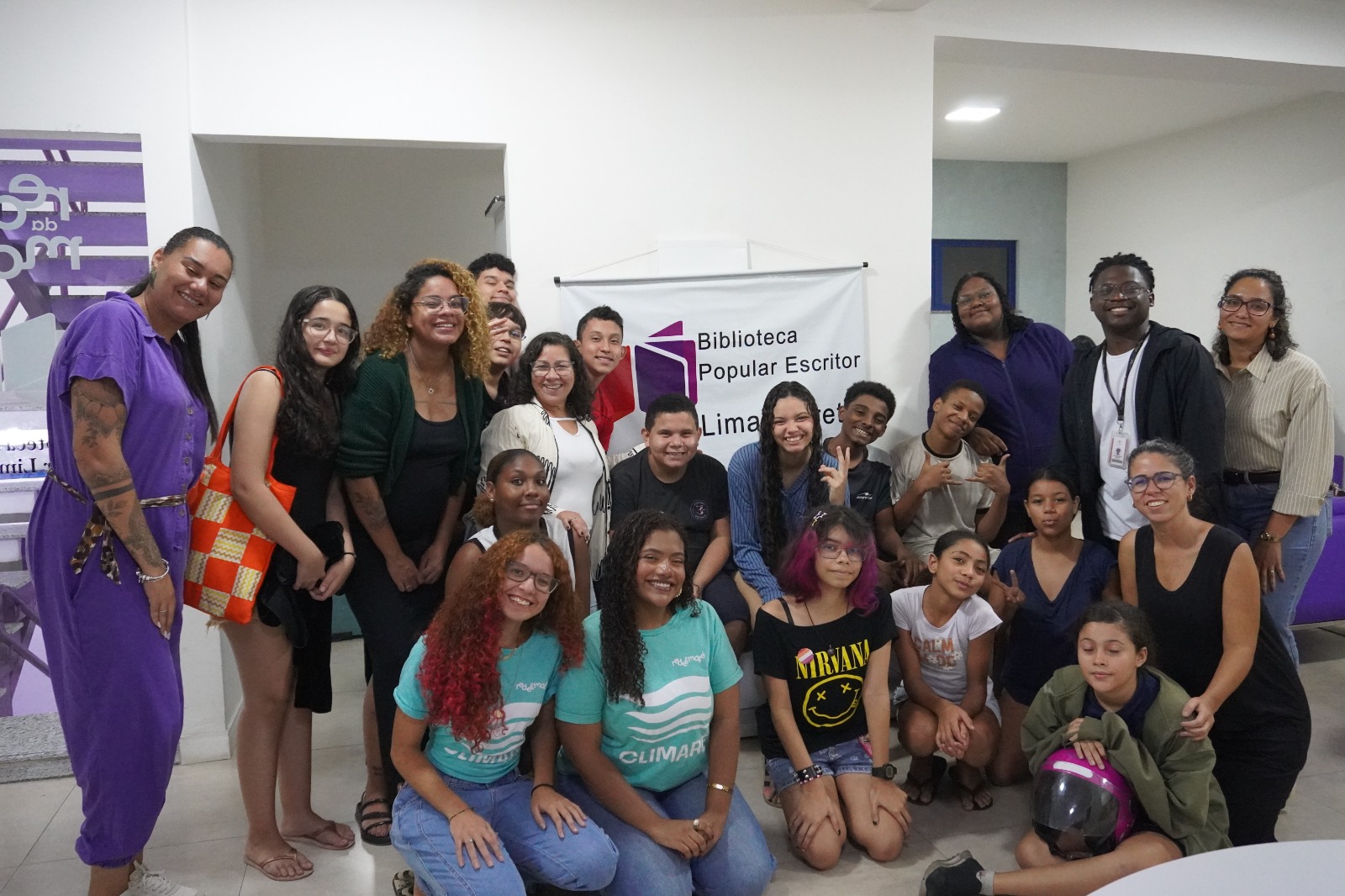
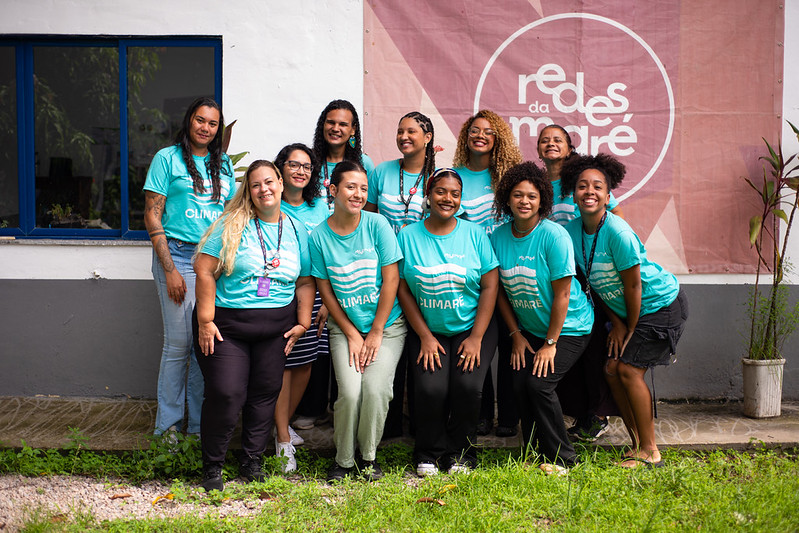
Ten young people from Maré work as climate researchers and community mobilisers. They live in different parts of the territory and have educational backgrounds in fields such as biology, natural sciences, philosophy, the arts and social work. They take part in data collection, activities with residents and the project's training programme.
CliMaré builds on Redes da Maré's work producing data on socio-environmental issues in the territory. This research and information help assess the scale of problems, guide initiatives and advocate for effective public policies.
Climate change has made extreme heat an increasingly serious threat to health. A study based on data from 326 cities in nine Latin American countries found that approximately 6% of deaths in urban areas are associated with heat. The same research shows that, on days of intense heat, each 1°C increase in ambient temperature is associated with a 5.7% increase in overall mortality. The Rio de Janeiro Municipal Health Department estimates that days when temperatures reach or exceed 40°C for four hours or more are associated with a 50% increase in deaths from conditions such as hypertension, diabetes and kidney failure among older people.
In favela territories, the impacts can be even more severe. Most homes have poor ventilation and contain materials that retain heat. Green spaces are virtually non-existent, while materials such as concrete are widespread. In addition, many families live with problems of water infiltration and mold, which affect breathing and aggravate conditions such as asthma and allergies. In February 2025, when the city recorded a temperature of 44°C, measurements on the asphalt of Rua Principal, in Nova Holanda, reached 61°C, while the temperature inside the kitchen of a local business reached 82°C.
(References)
1. KEPHART, Josiah L. et al. City-level impact of extreme temperatures and mortality in Latin America. Nat Med 28, 1700–1705 (2022). https://doi.org/10.1038/s41591-022-01872-6.
2. Epidemiological Intelligence Centre, Rio de Janeiro Municipal Health Department.
CliMaré investigates the relationship between heat, thermal comfort, air quality, humidity and residents' health, taking into account the different types of housing found across Maré.
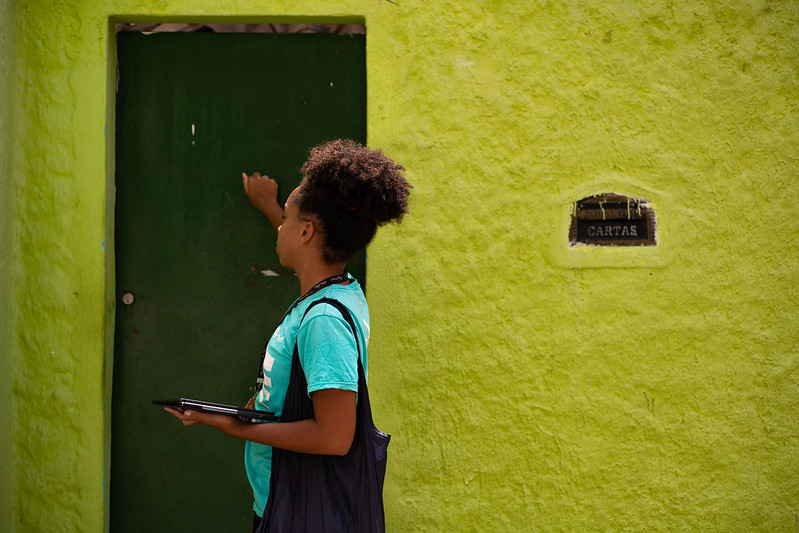
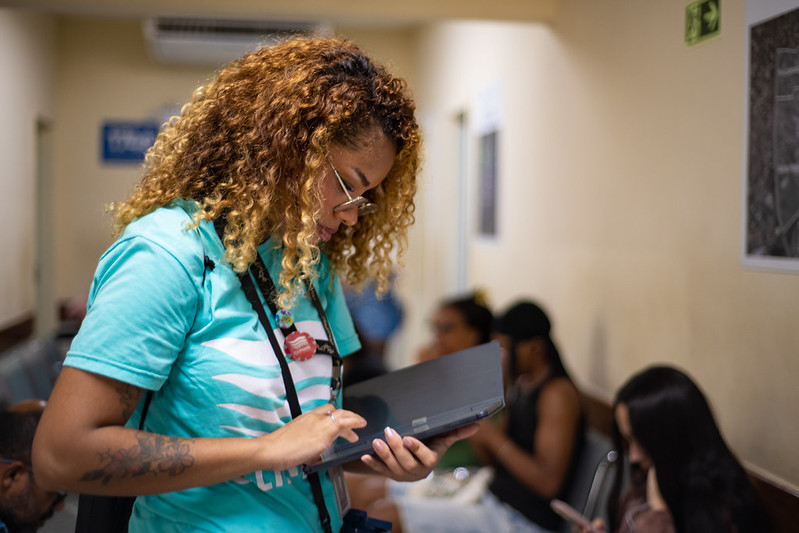
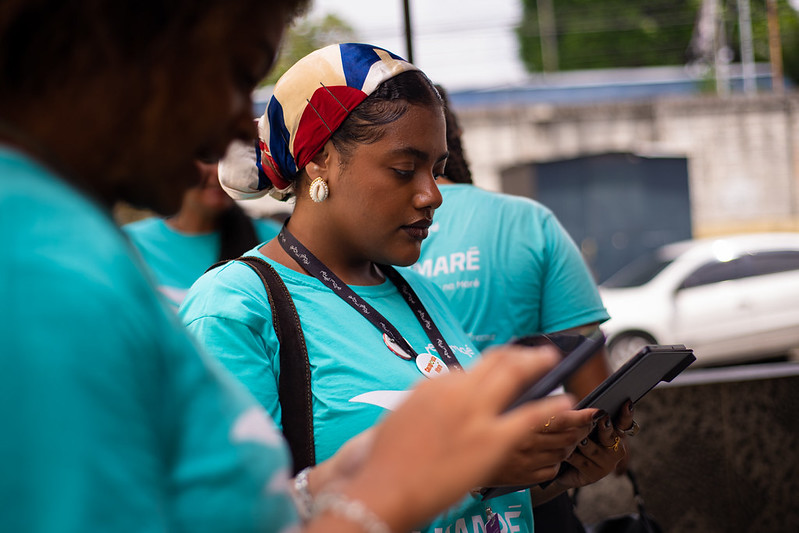
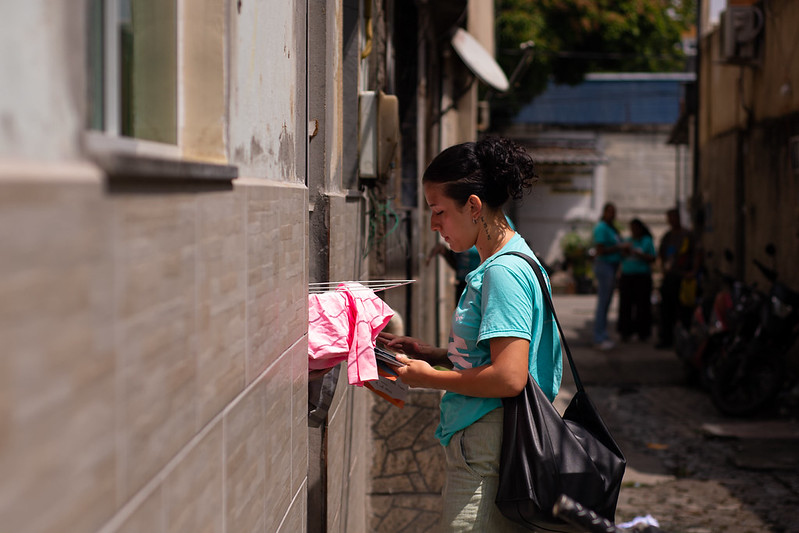
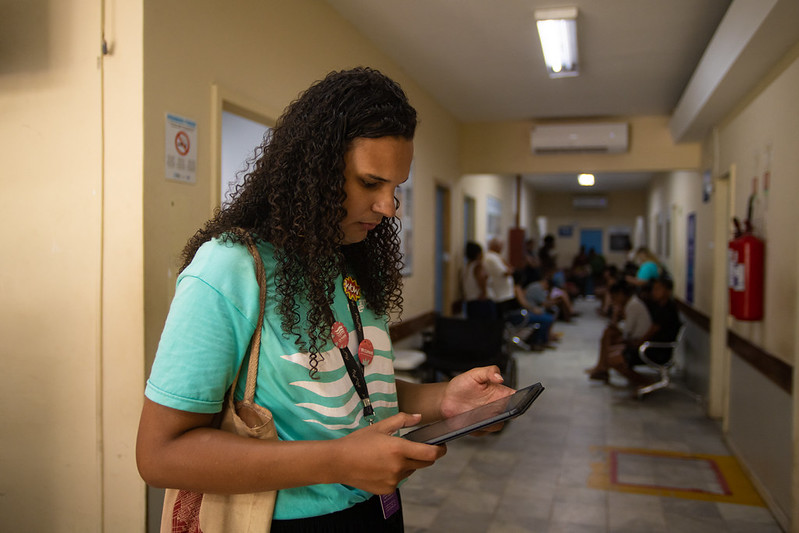
The project has installed 24 sensors in homes across Maré to collect quantitative data on temperature, humidity and air quality. It has also conducted more than 1,600 questionnaires on heat, health and the structural characteristics of homes in the territory, which was divided into four distinct areas according to building patterns and the morphological characteristics of housing.
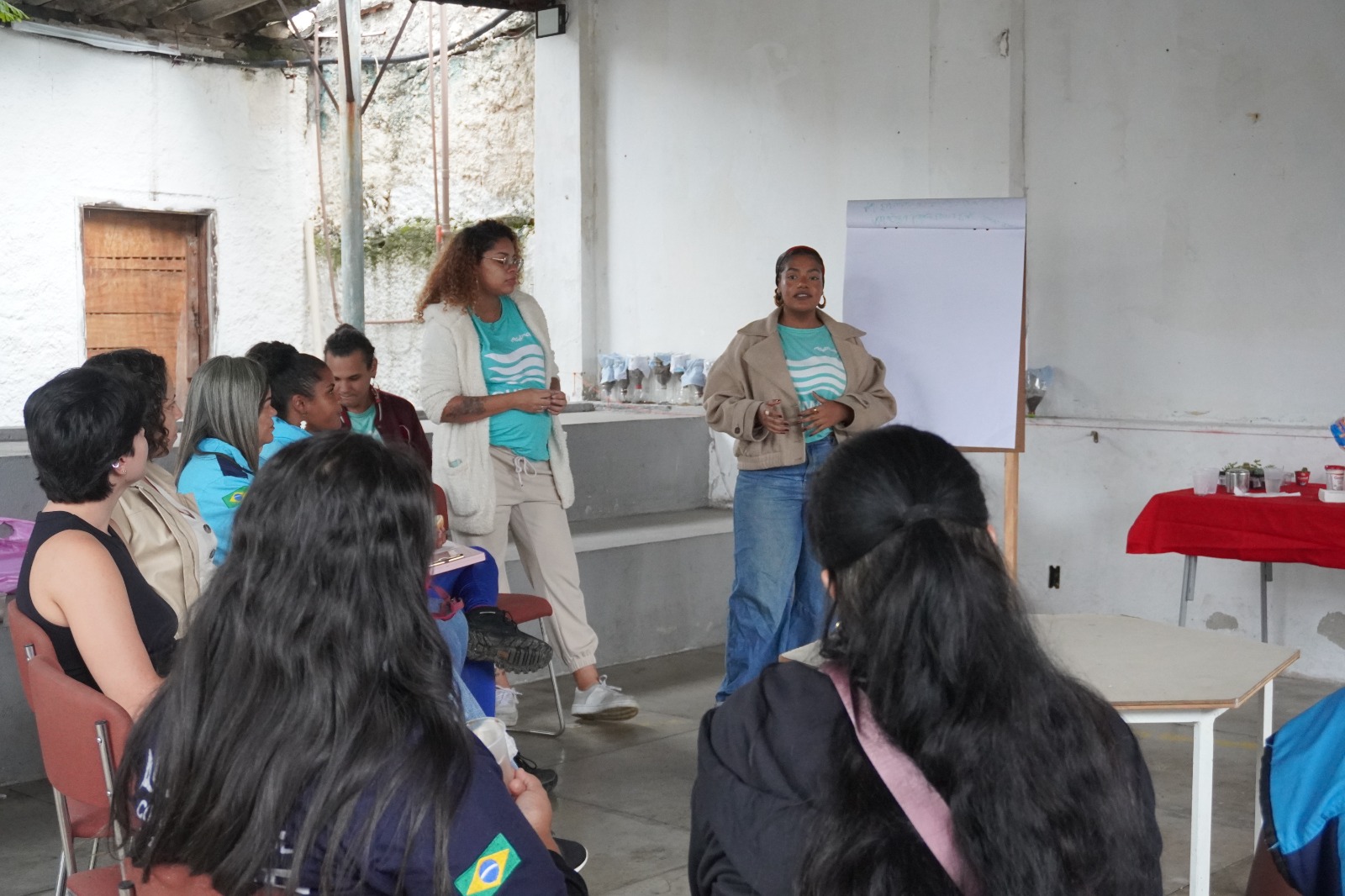
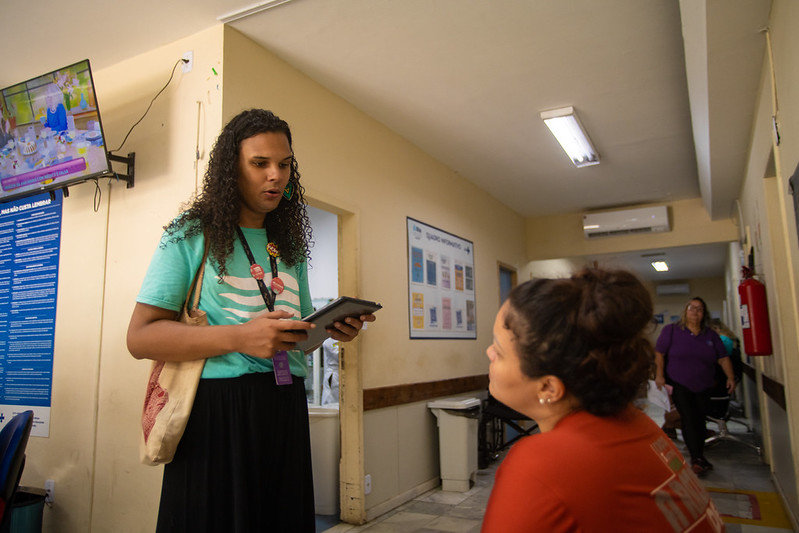
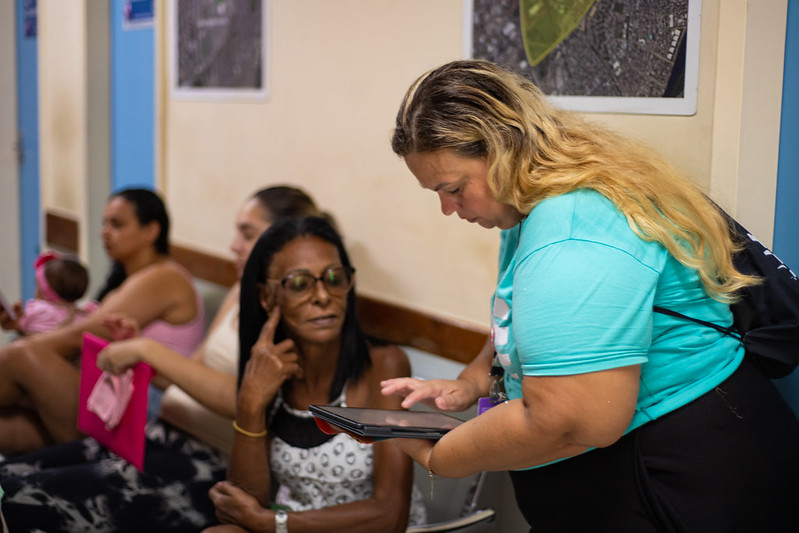
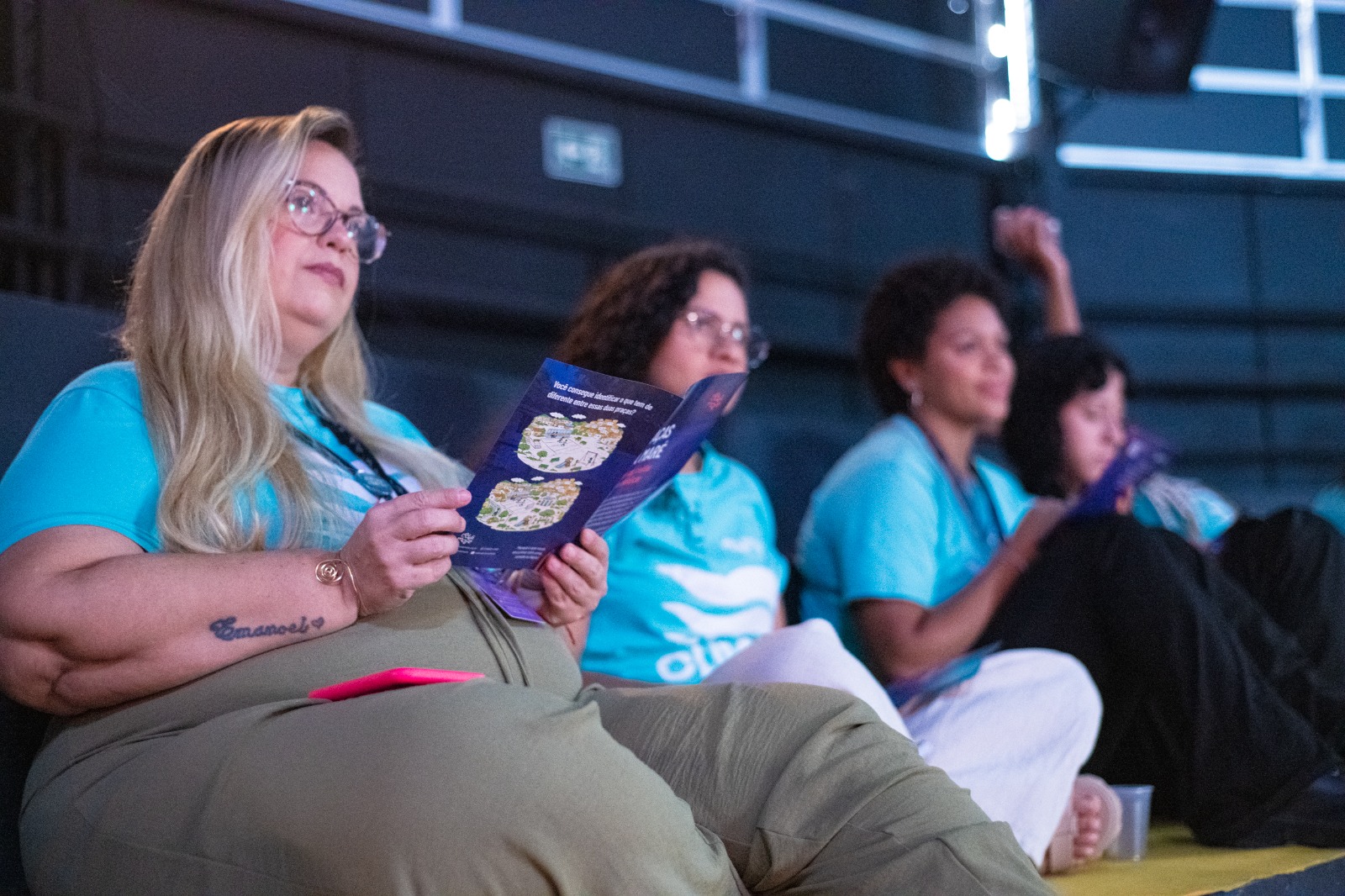
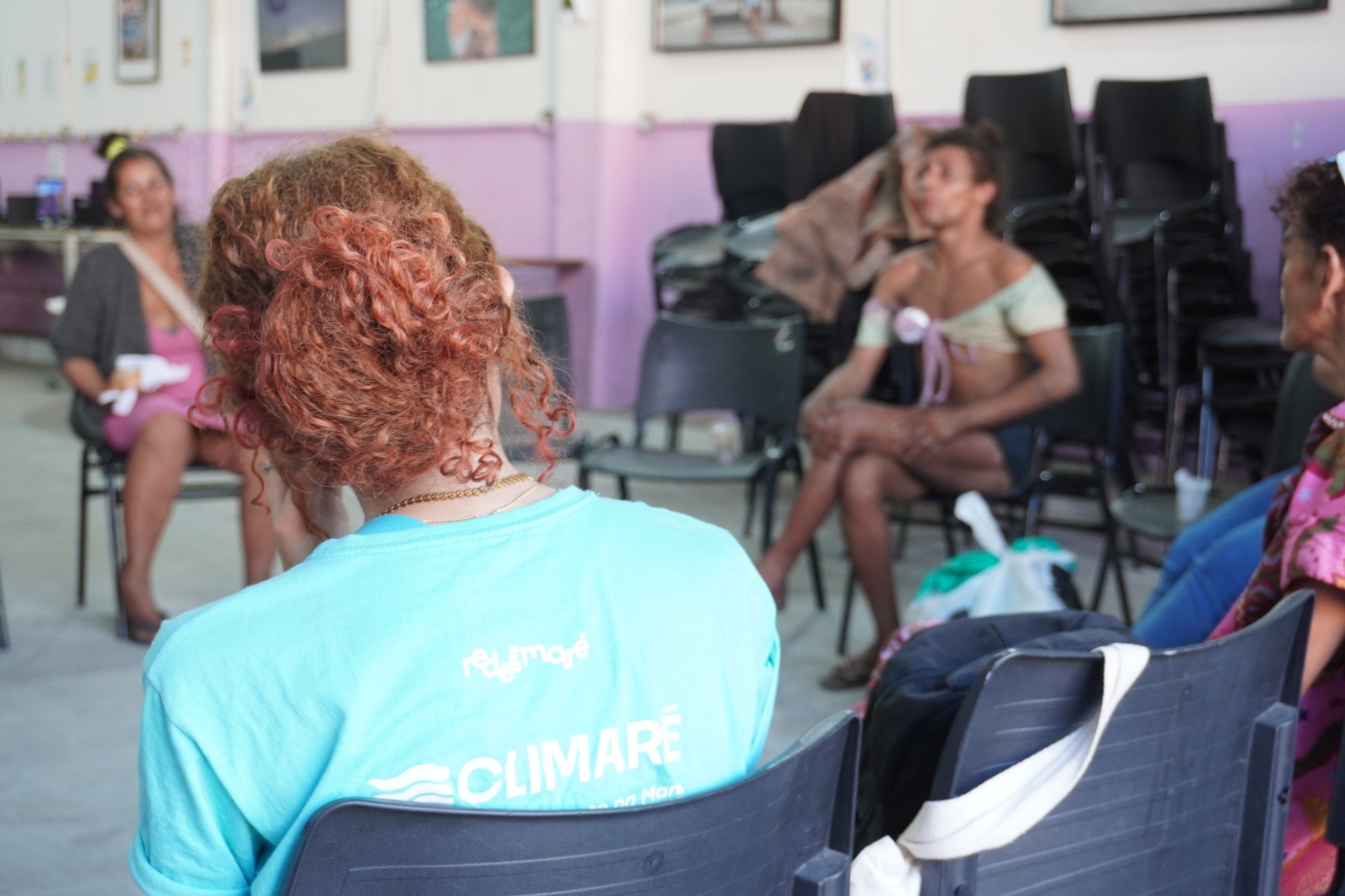
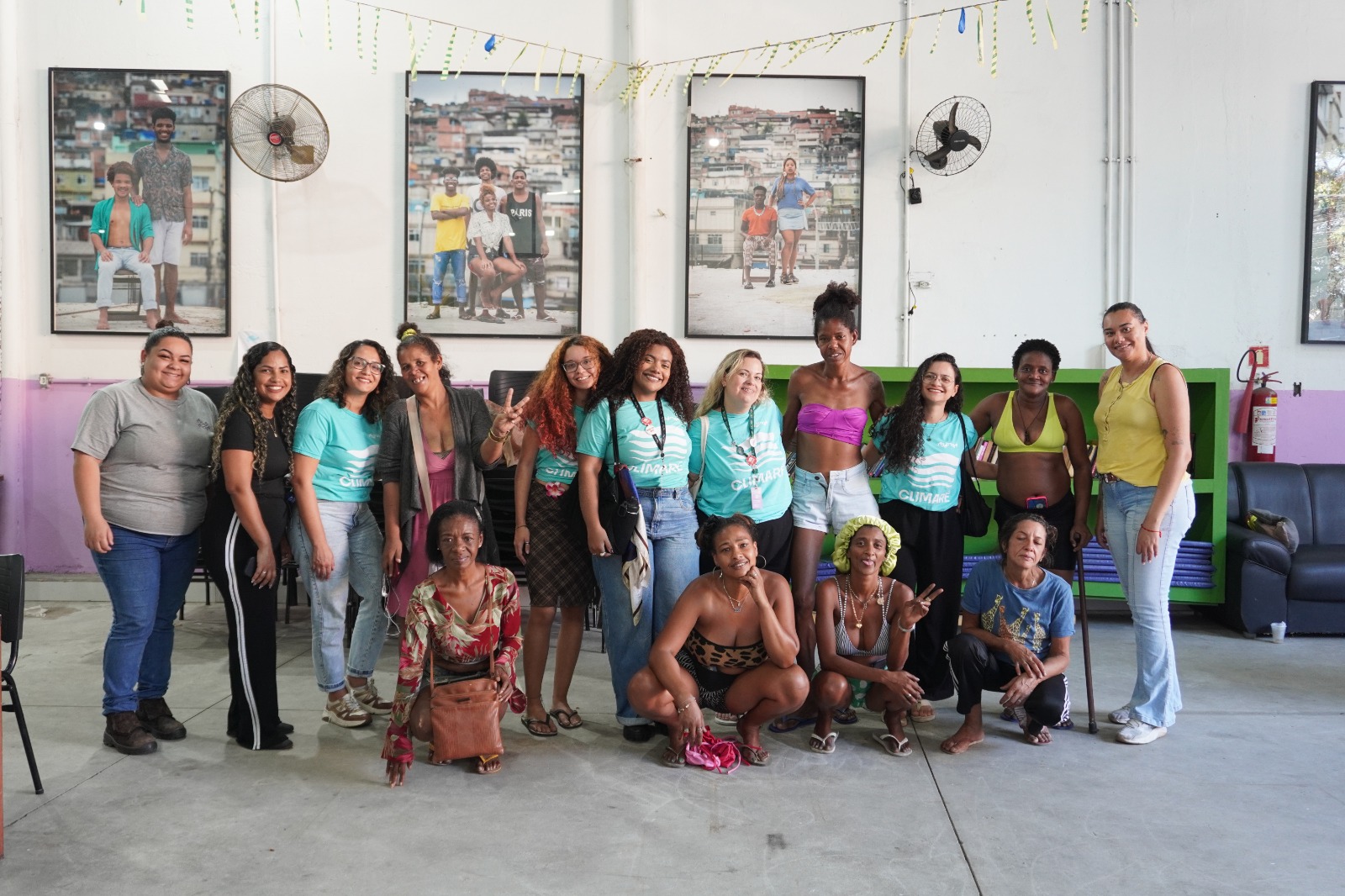
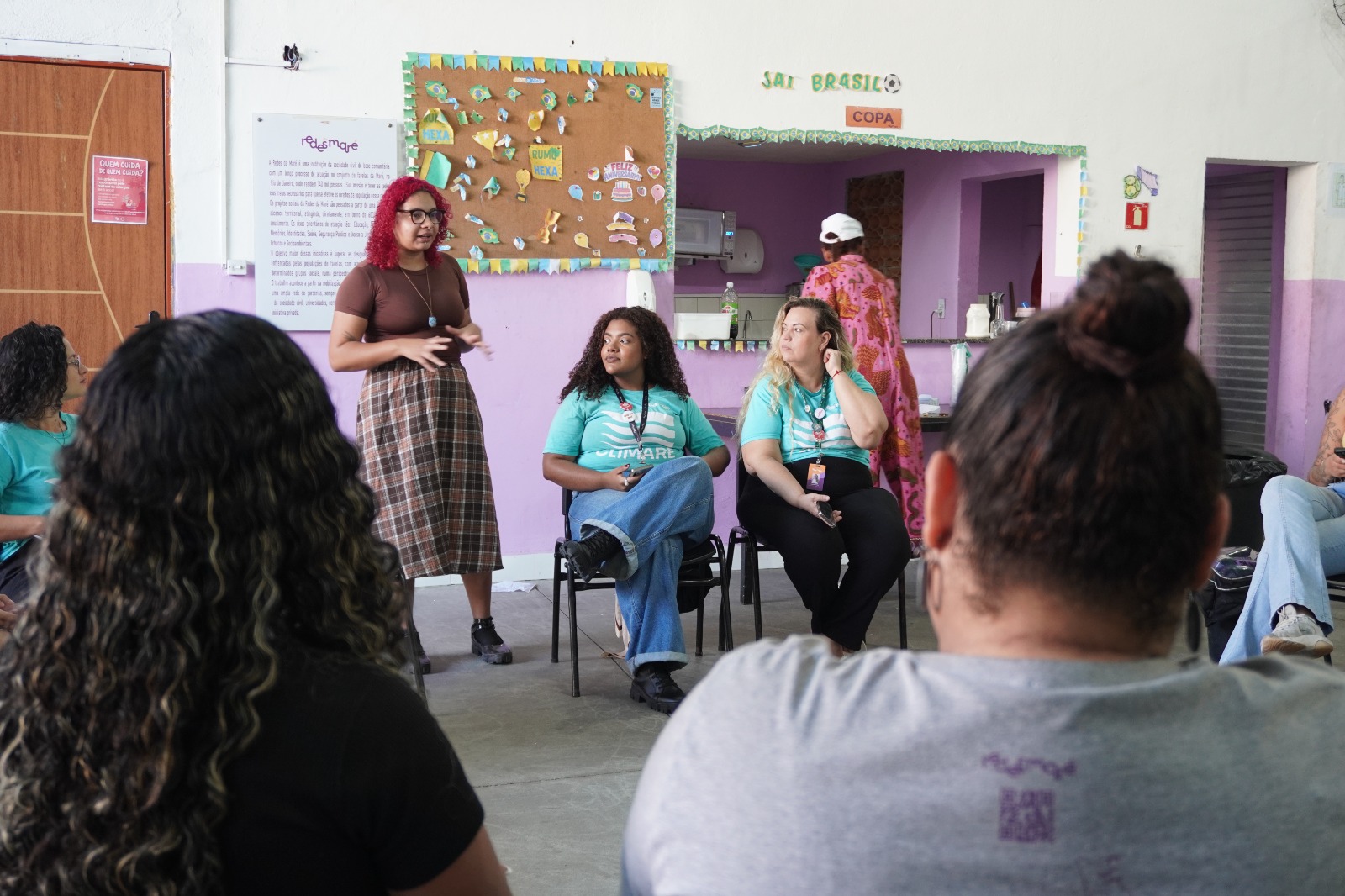
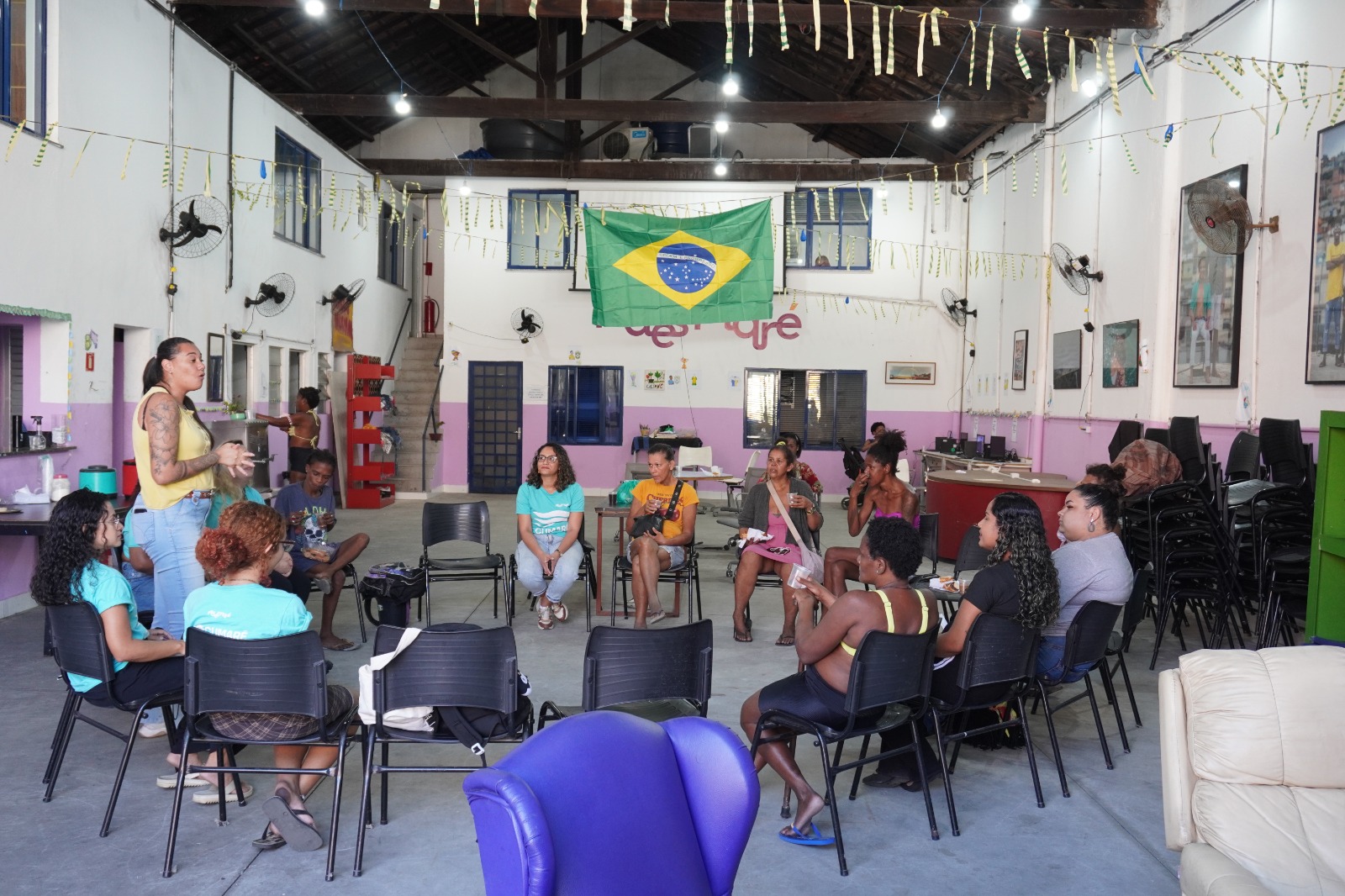
The research also included discussion circles and other activities to listen to residents and professionals working in the territory. In June 2026, for example, CliMaré researchers met with Community Health Workers from different parts of Maré. The meeting helped identify the hottest areas and the groups most affected by heat.
CliMaré follows a methodology already used by Redes da Maré in other socio-environmental projects: training, diagnosis and intervention.

The climate agents underwent eight months of theoretical training and also took part in classes, workshops and technical visits covering climate change, health, air quality, fungi, thermal comfort and environmental solutions.
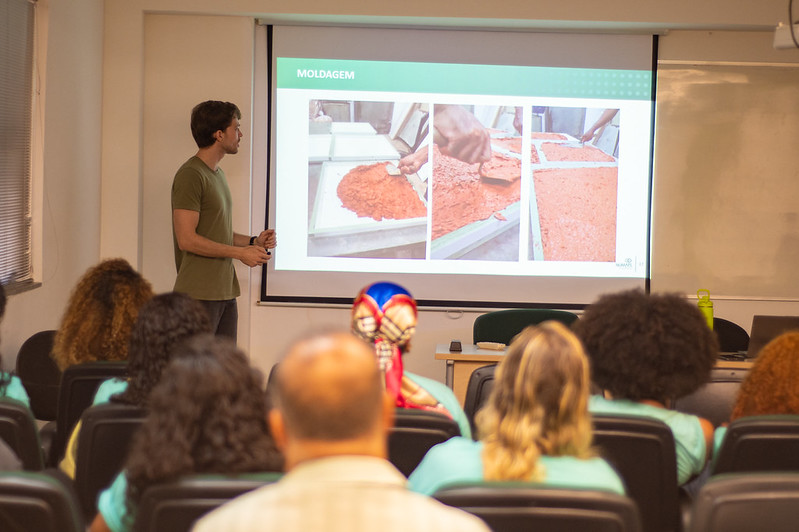
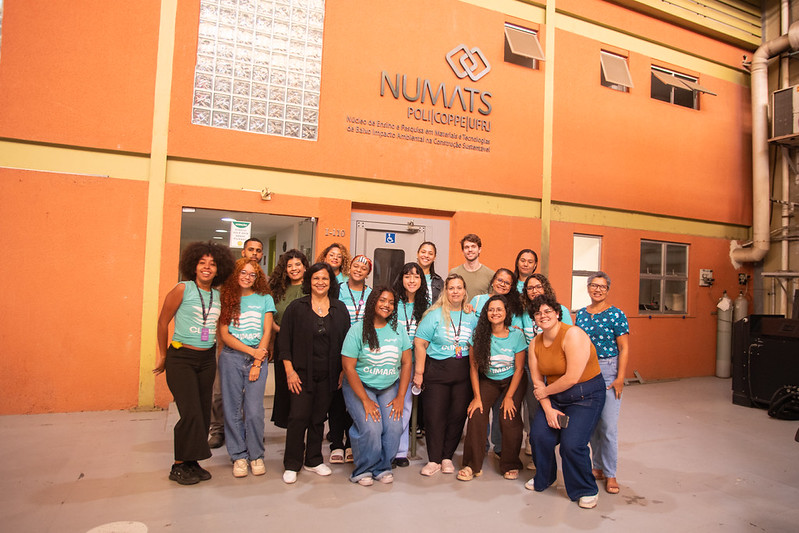
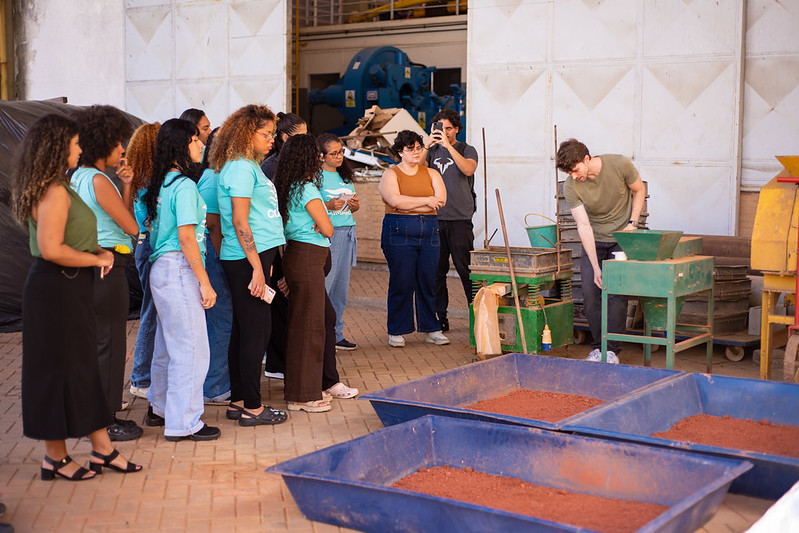
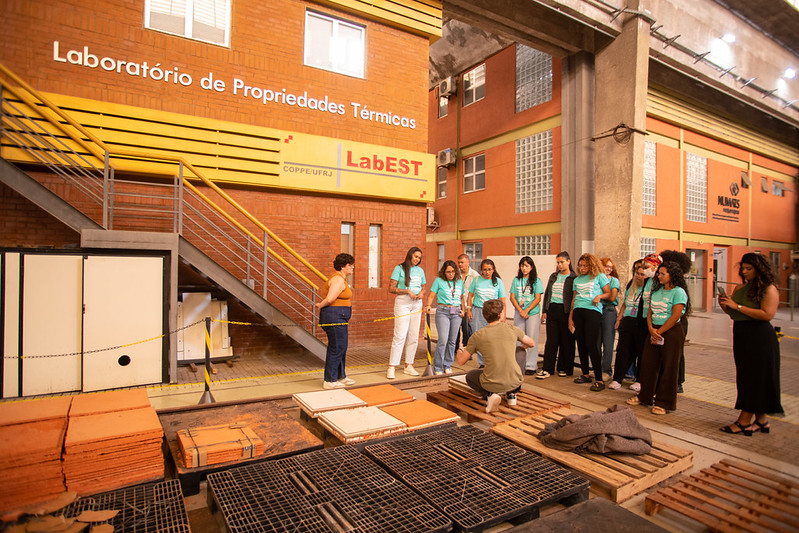
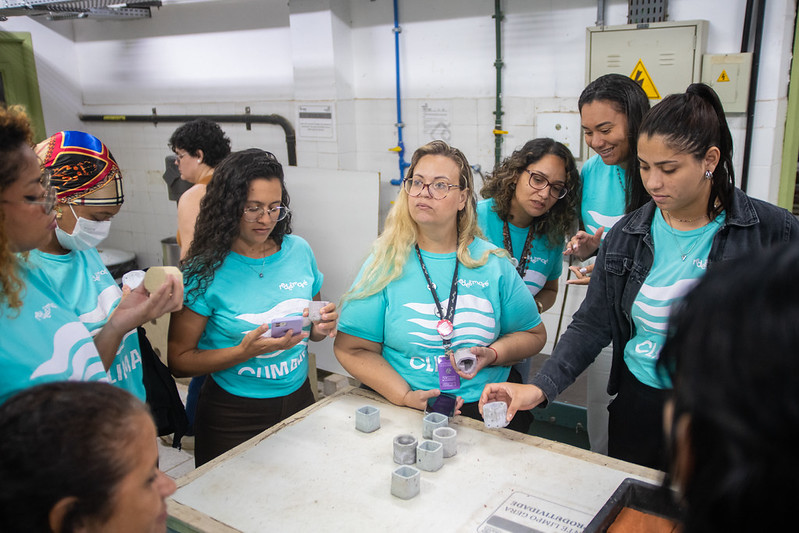
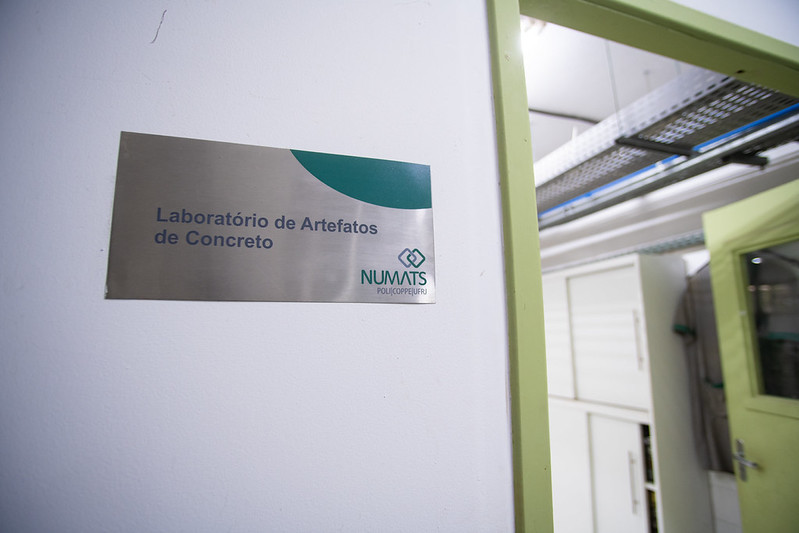
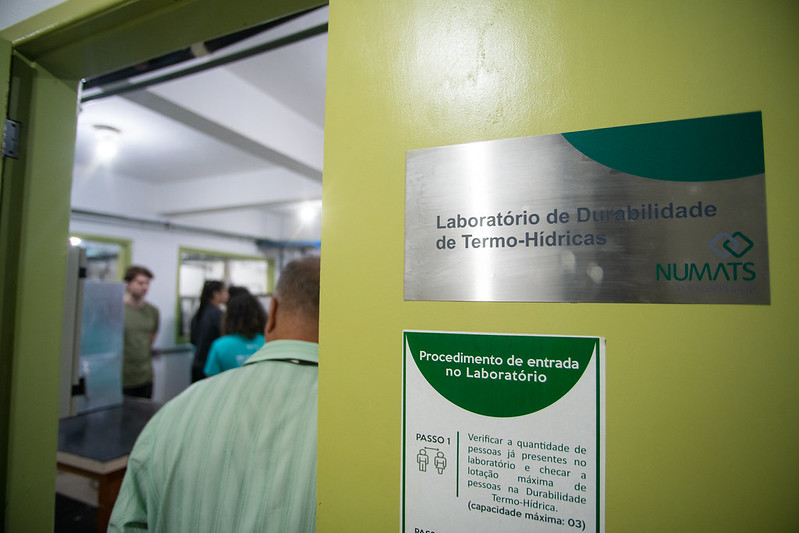
In 2026, the group visited, among other institutions, the Centre for Materials and Technologies in Sustainable Construction (Numats) at UFRJ, the Mycology Laboratory at Fiocruz, the L’Oréal Research Centre and Insper, in São Paulo.
These visits provide opportunities to learn about innovative research and technologies that may offer ways to address the problems identified in Maré.
The diagnostic stage brings together data from sensors, questionnaires, home visits and conversations with residents.
This information helps locate problems and assess their severity. It also shows how heat, humidity and air quality affect different groups and areas unequally.
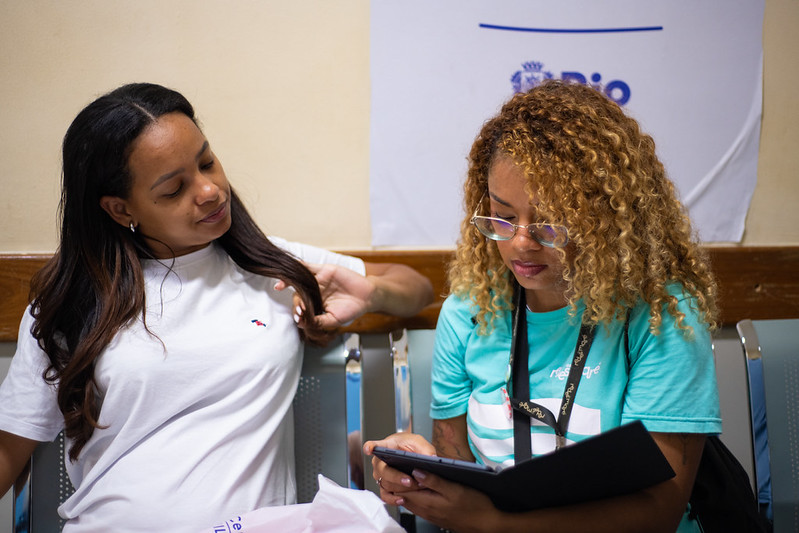
The research is conducted with residents' participation. The agents ask questions, listen to their accounts and bring these issues back to the territory.

Following the diagnostic stage, the project tests solutions to problems identified in homes.
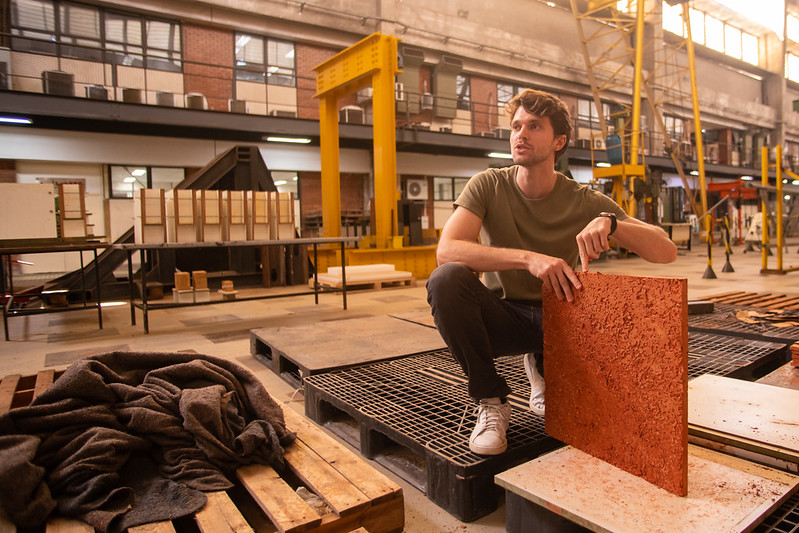
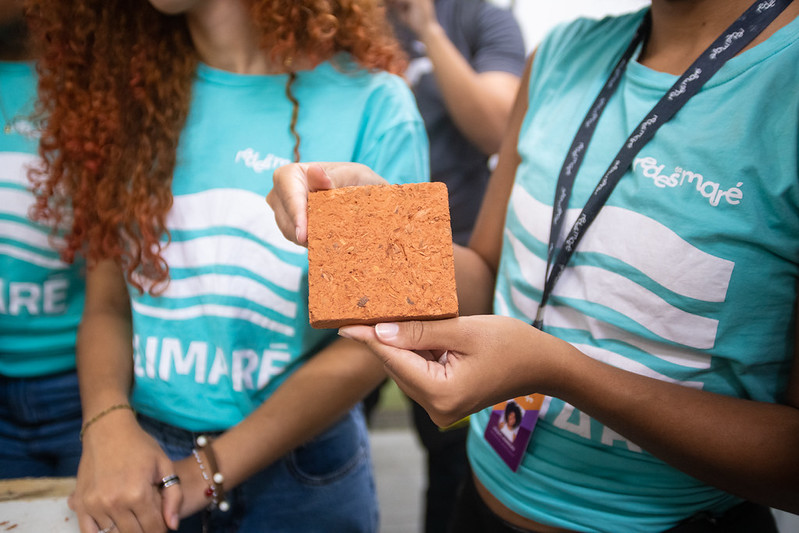
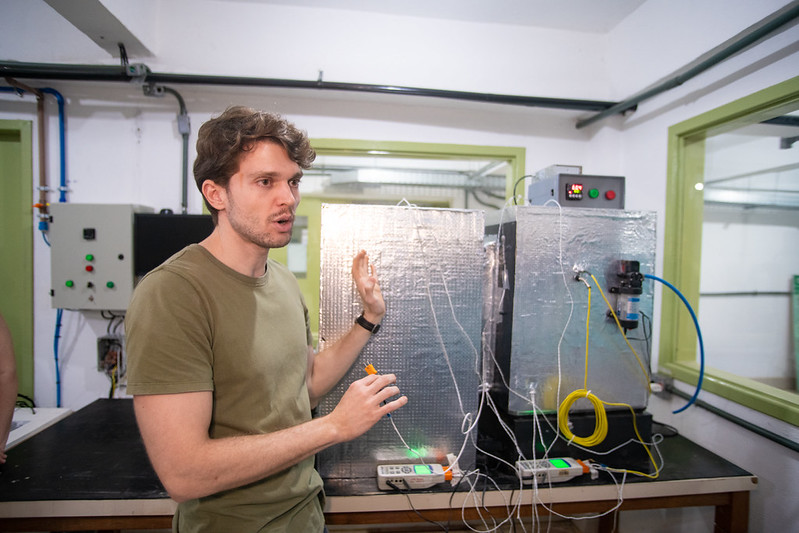
The main initiative is a coating made from cement and wood sawdust, developed in the laboratory by researchers at Numats/UFRJ. The material has the potential to control humidity, reduce heat inside homes and, consequently, improve residents' well-being.
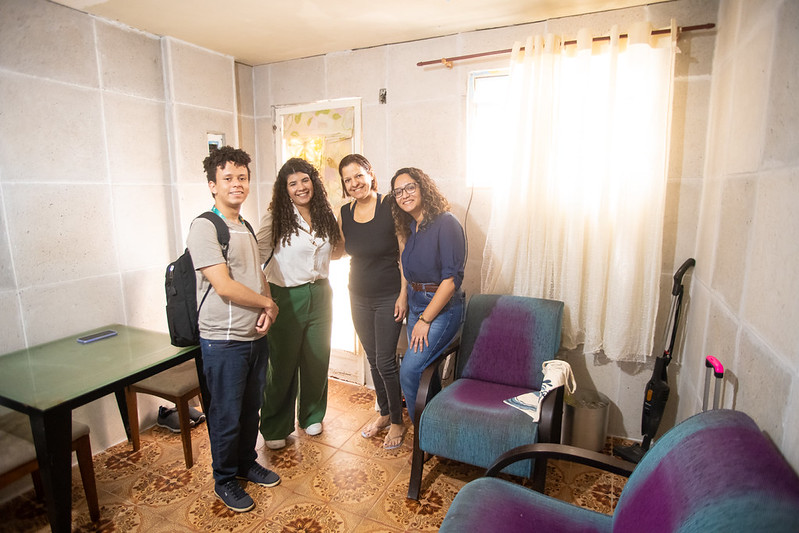
The technology is being tested in three homes in Maré: two in Conjunto Esperança and one in Rubens Vaz, where a green roof has already been installed as part of the project Ecoclima. Monitoring will make it possible to assess its effects under real-life conditions, as the material has so far only been tested on a smaller scale.
For Redes da Maré, a solution does not begin with the installation of equipment.
CliMaré's methodology starts with training the researchers and diagnosing the territory. Only then are interventions defined.
This process helps residents recognize environmental problems that are part of their daily lives. It also generates information that can guide Redes da Maré's own initiatives and support demands for action from public authorities.
The project's experience may contribute to initiatives in other favela territories. Each place, however, needs to develop its own diagnoses and adapt solutions to its specific conditions.
Training. Diagnosis. Intervention.
This is the methodology that guides CliMaré.


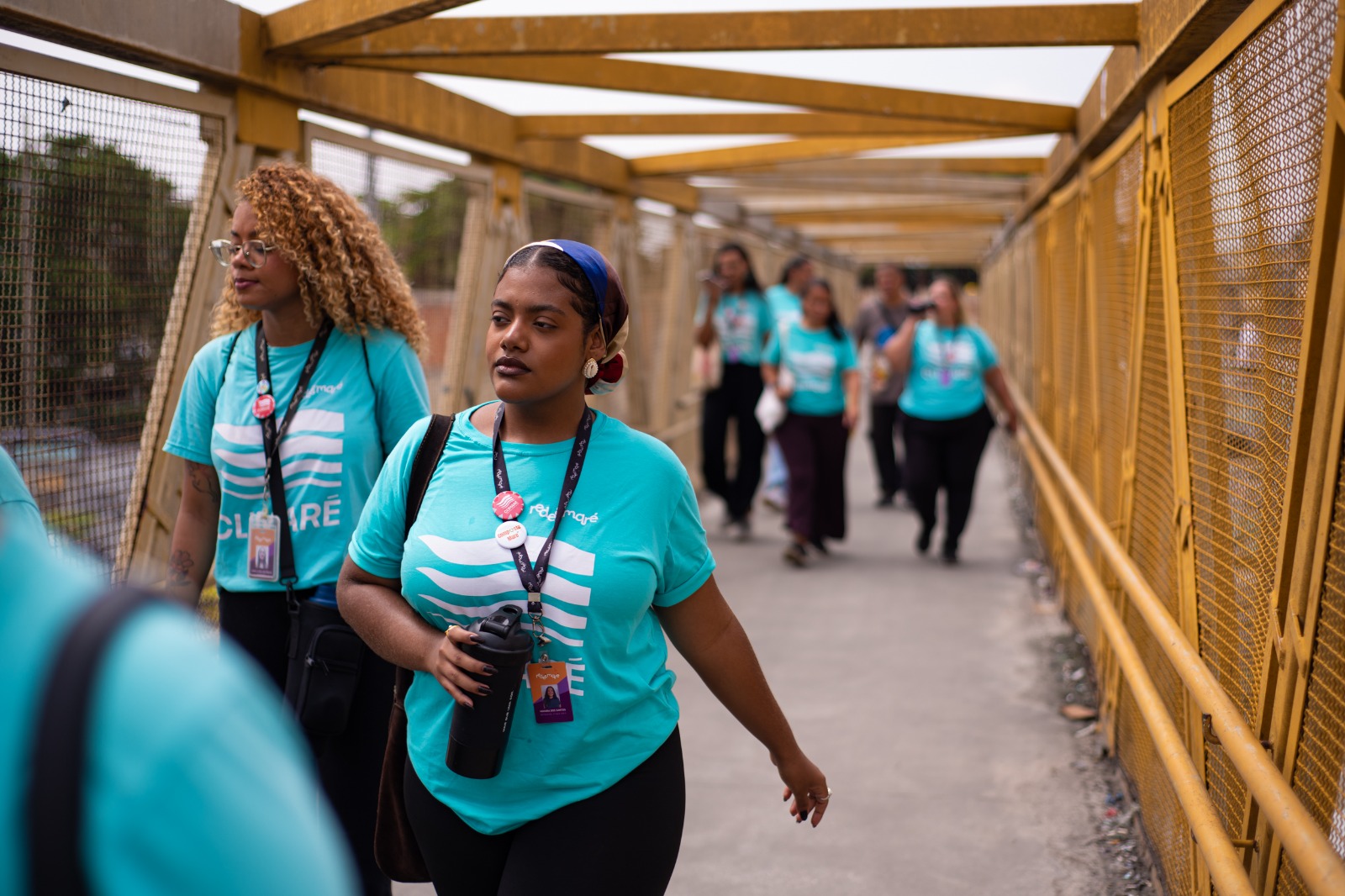
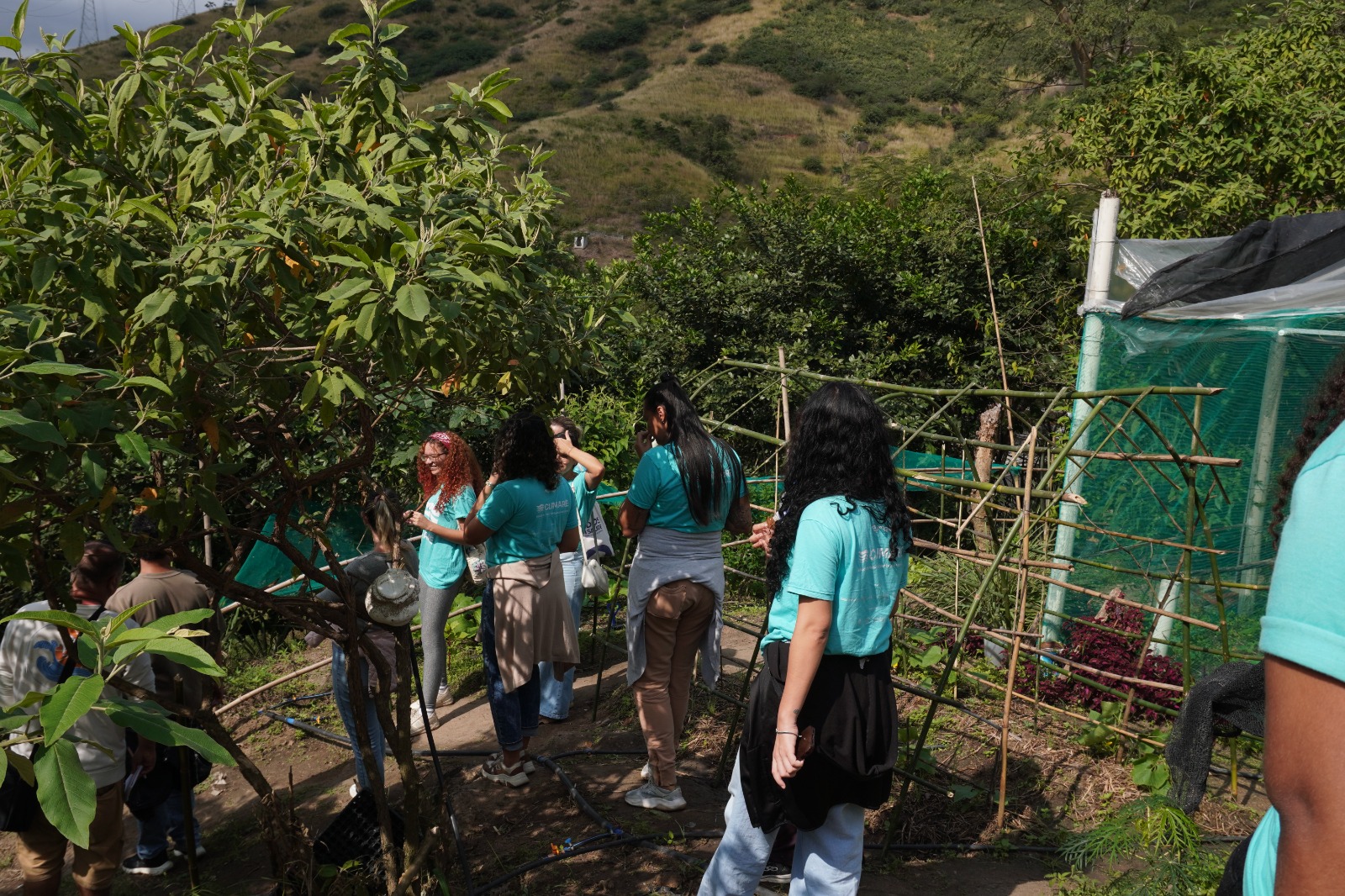
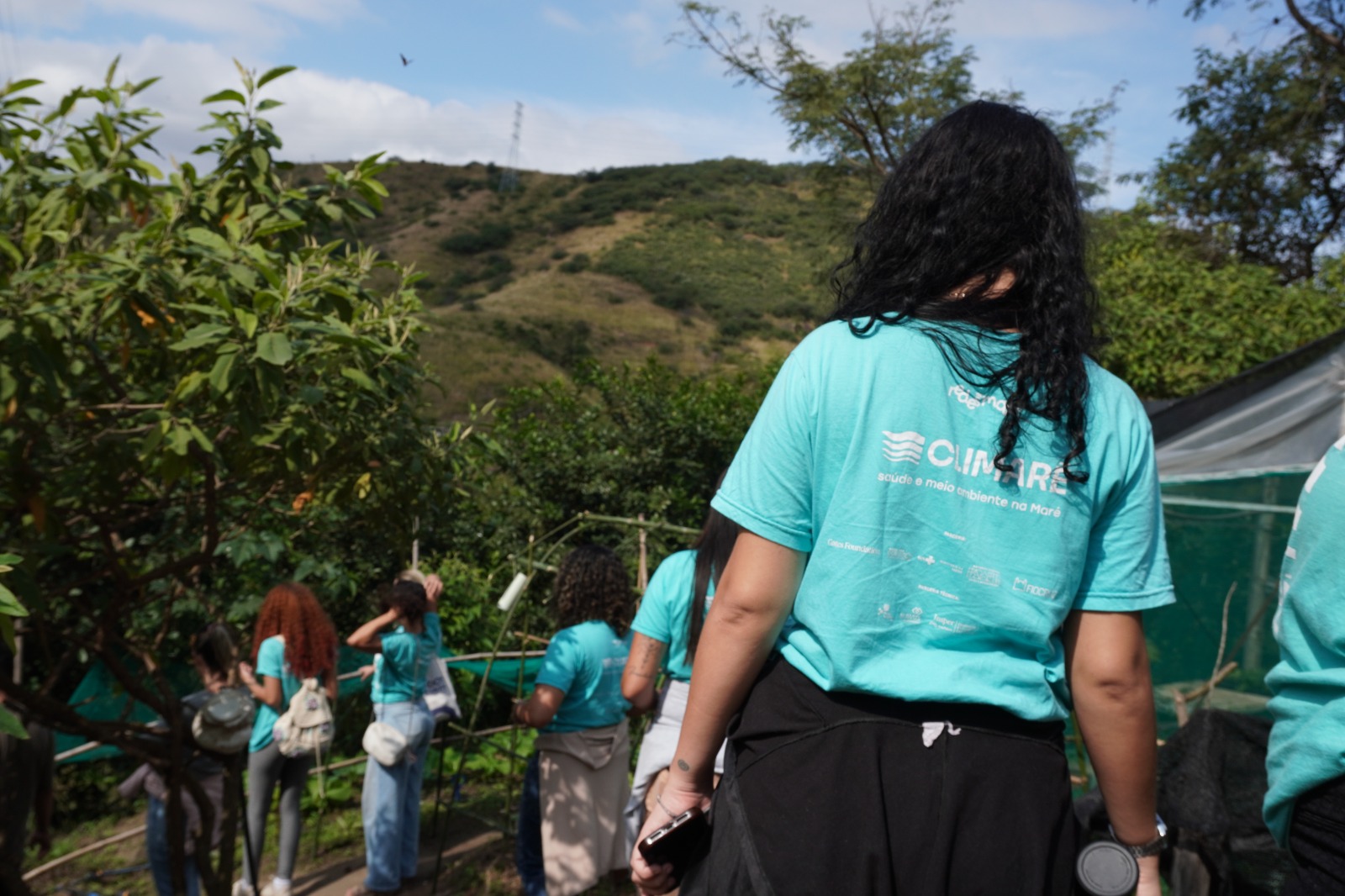
The agents take part in activities both inside and outside Maré.
At Numats/UFRJ, they learned about the production process and the standardization stages of the coating, which is currently being installed and tested in homes across the territory. At Fiocruz, they were introduced to research on the identification and classification of fungi in homes. During discussion circles, they listened to residents and health professionals.
These activities help connect technical knowledge with the problems identified in homes across Maré.
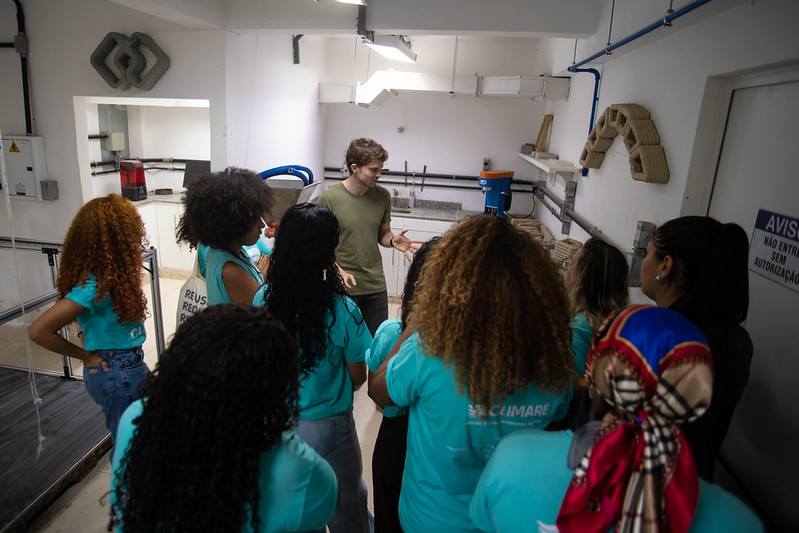
“One of CliMaré's objectives is to contribute to the training of the research agents. Moments like this broaden their learning through practical, applied experience, while also strengthening partnerships and contributing to the project's development.”
Tainá Neves, CliMaré Coordinator

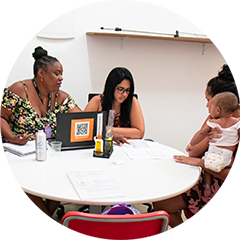
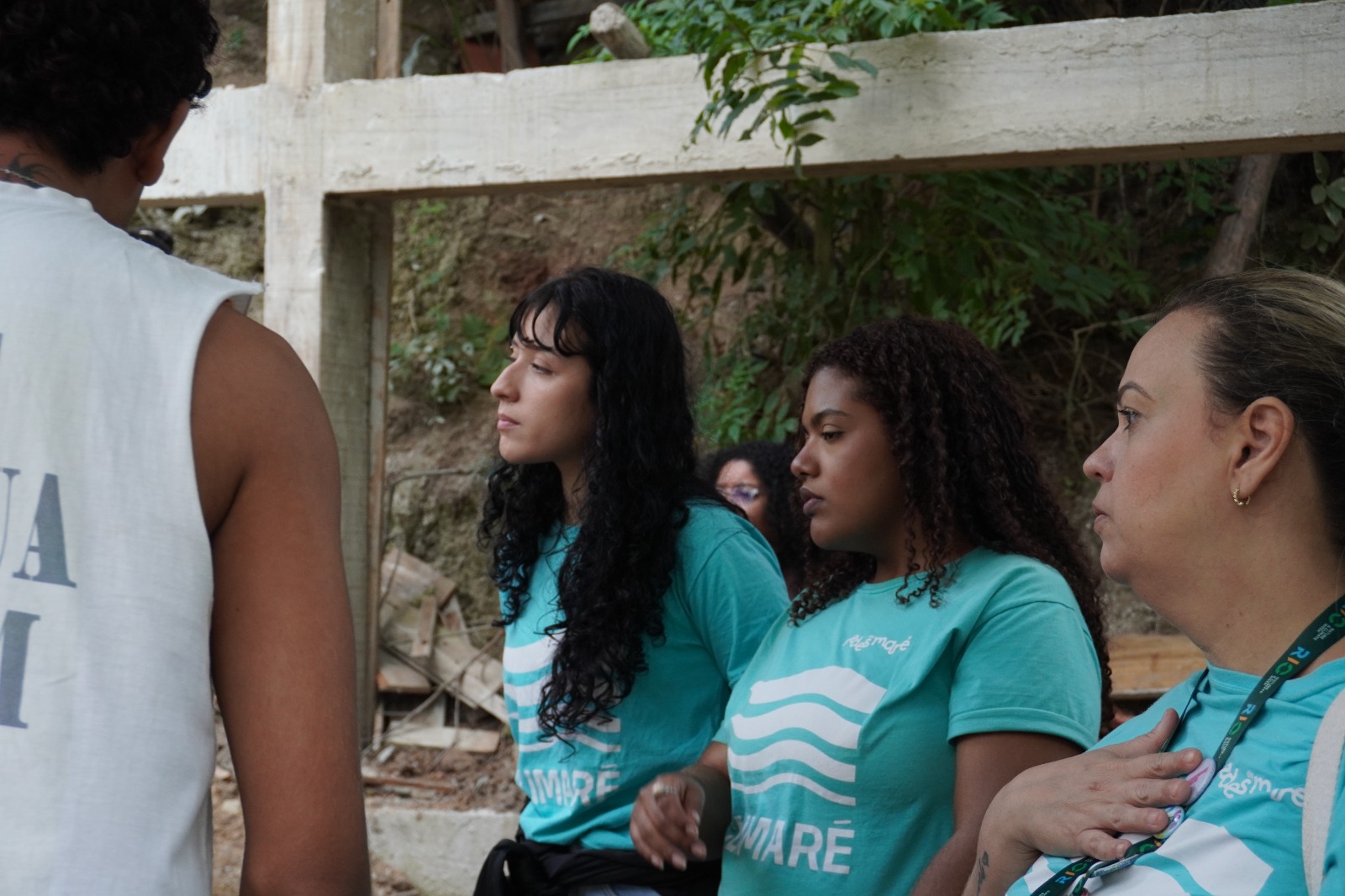
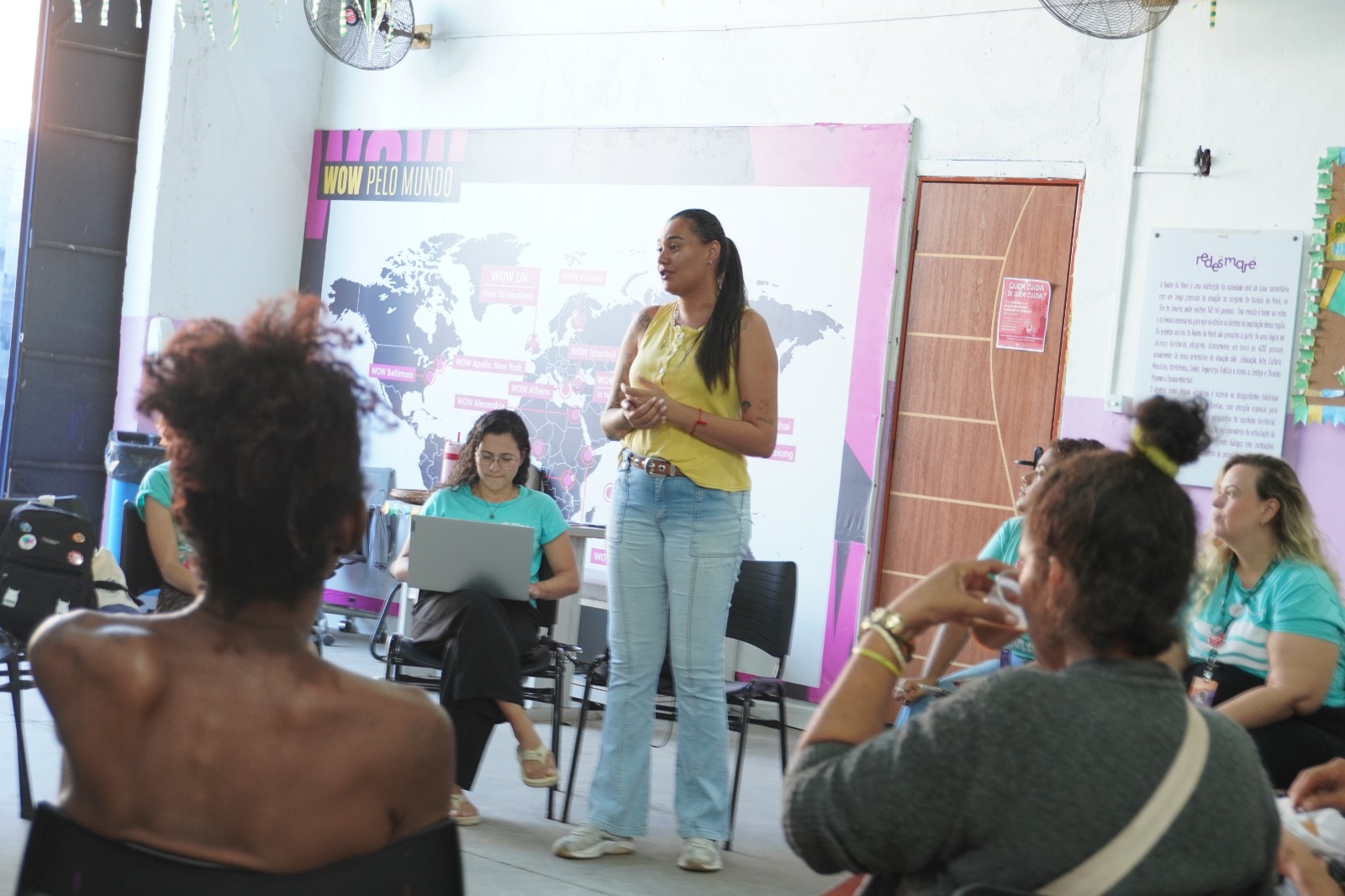
The activity documented here is part of the discussion circles held by the climate agents with different groups in the territory, including Community Health Workers.
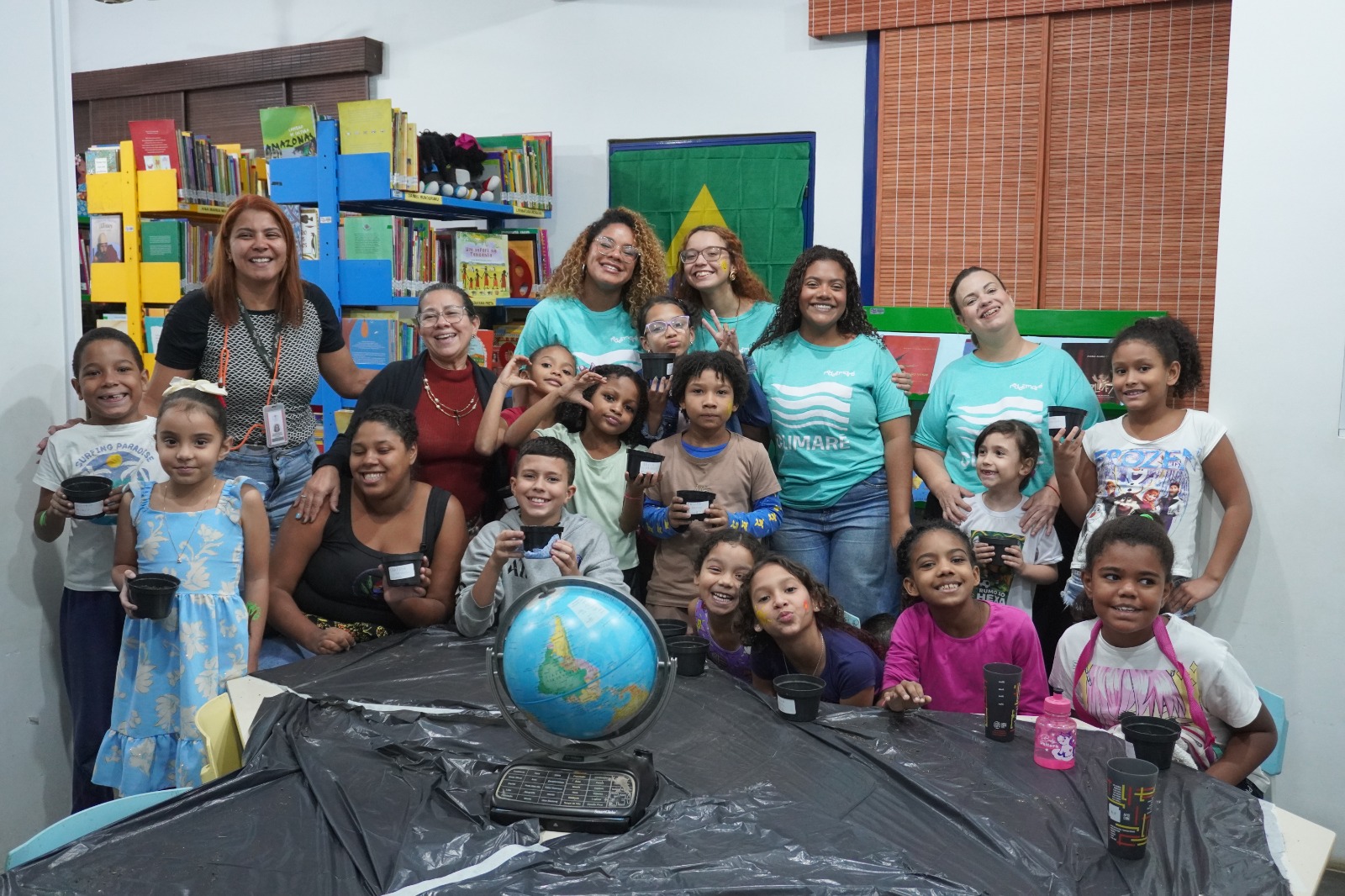
Residents of Maré took part in different stages of the research.
Their participation included completing questionnaires, having sensors installed in their homes, attending discussion circles and workshops, taking part in tests of the coating in residential settings and engaging in other project activities.
The data collected help us understand how heat, humidity and air quality affect different parts of Maré.
Contact: eixodusa@redesdamare.org.br
Instagram: @redesdamare
Project Coordination
Phase I - Rian de Queiroz
Phase II - Tainá Neves
Training Coordination
Andrea Barreto dos Santos da Rocha
Field Coordination
Kátia do Nascimento Lopes
Climate Agents
Anna Carolina da Silva Fraga
Bruna Julia Pereira Nazario
Camila Costa da Silva
Carmen Luzia Oliveira Pínto
Ericka Prado Lima dos Santos
Karina Braga de Souza
Luara de Lima Carnaúba
Mayara dos Santos de Oliveira
Raquel Marreiro Rodrigues da Silva
Rute da Silva dos Santos
Bill & Melinda Gates Foundation
National Council for Scientific and Technological Development (CNPq)
TODOS OS DIREITOS RESERVADOS @ 2026 REDES DA MARÉ - Associação Redes de Desenvolvimento da Maré
As imagens veiculadas neste site tem como objetivo divulgar as ações realizadas para fins institucionais. Entendemos que todas as fotos e vídeos têm o consentimento tácito das pessoas aqui fotografadas / filmadas, mas caso haja alguém que não esteja de acordo, pedimos que, por favor, entre em contato com a Redes da Maré para a remoção da mesma (redes@redesdamare.org.br).