PROJECT

The Laboratory for Experimentation and Innovation in Community Practices of Maré is a collaborative space aimed at training local leaders who work collectively. Based on a methodology that values diversity and active listening, LabMaré brings together individuals, groups, and collectives to design and implement joint actions through learning by doing.

The first edition of the Lab lasted six months and involved 55 participants. During this period, it became a space for collective construction, where creativity and social practice converge to promote sustainable development and civic participation.

The project supports community initiatives through training, mobilization, and investment in innovative methodologies. It contributes to building an autonomous and participatory territory where residents are protagonists in the pursuit of their rights.

In addition to consolidating knowledge and techniques for designing, executing, evaluating, and reporting on resources in different areas, LabMaré serves as a testing ground for the creation of a Maré Community Fund. The expectation is that this philanthropic fund — designed by Redes da Maré — will be dedicated to preserving the historical heritage of local struggles. Still under development, this mechanism aims to establish continuous investment in the territory's emerging needs.


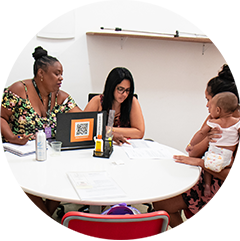
LabMaré Seminar. Photo: @Gabilino

Collaborative Creation


The goal of the Lab is to build a community of practice and learning where participants can learn from each other, enhancing their actions and knowledge. In this collaborative context, the training process includes mentors and guest speakers who address topics related to the projects' demands.

LabMaré’s methodology is based on principles of participation, active listening, and collective construction. It breaks with traditional, top-down models and adopts a horizontal approach that values local knowledge and creativity as engines of transformation.

Key pillars of the methodology:


  • A space for exchange and collective learning;

  • Project writing and curation;

  • Financial accountability and data production;

  • Building connections among initiatives and local actors.

The impacts of LabMaré are clear: lives are transformed, bonds are strengthened, dropout rates are low, and engagement is high. The favela recognizes itself in the process — in culture, health, and politics. The initiatives created do not end with the Lab but continue as seeds of transformation planted in the territory. The commitment is to continuity, project autonomy, and rooting actions within the Maré favelas.

The diversity of the team and the welcoming of contradictions are hallmarks of the Lab. It is not based on ready-made models but adapts to the experiences and knowledge within Redes and among the participants.

LabMaré is more than a training space — it is a tool for social reinvention, network reconstruction, and strengthening the idea that Maré residents can and should feel a sense of belonging in their territory. A territory with its own initiatives, capable of organizing itself and proposing significant and lasting changes. After the success of the pilot, the next editions are already being prepared. They will include projects related to science communication and popularization, as well as urban interventions in the territory.

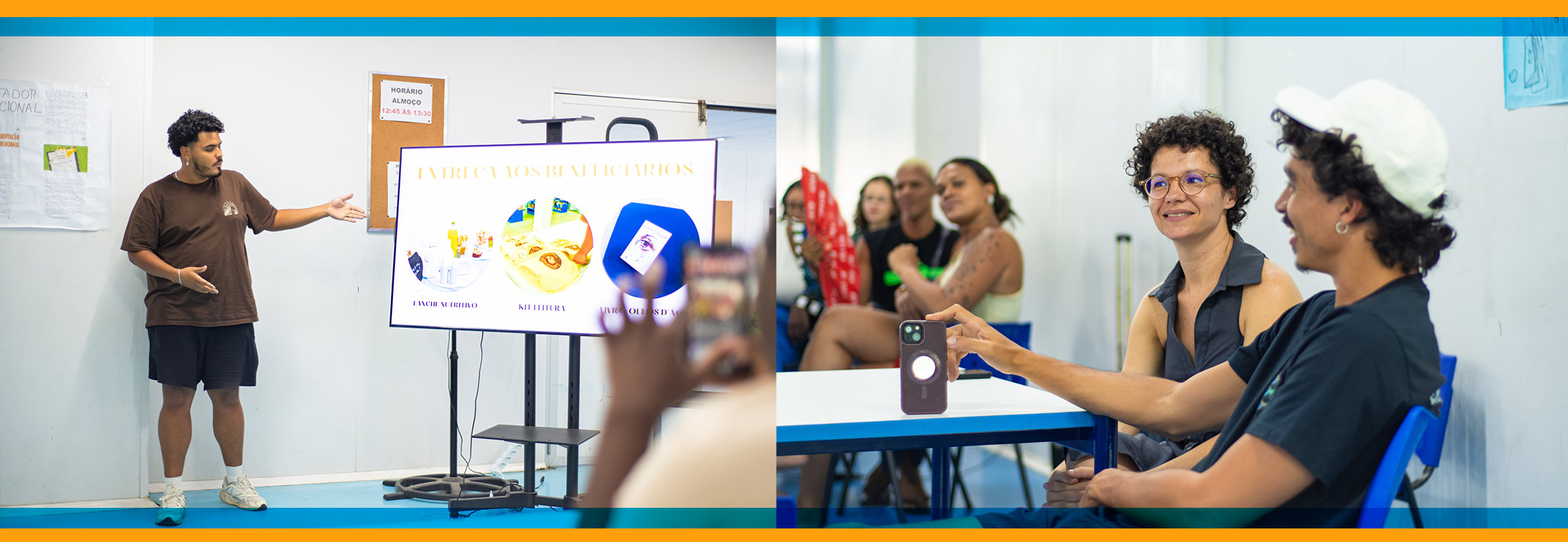
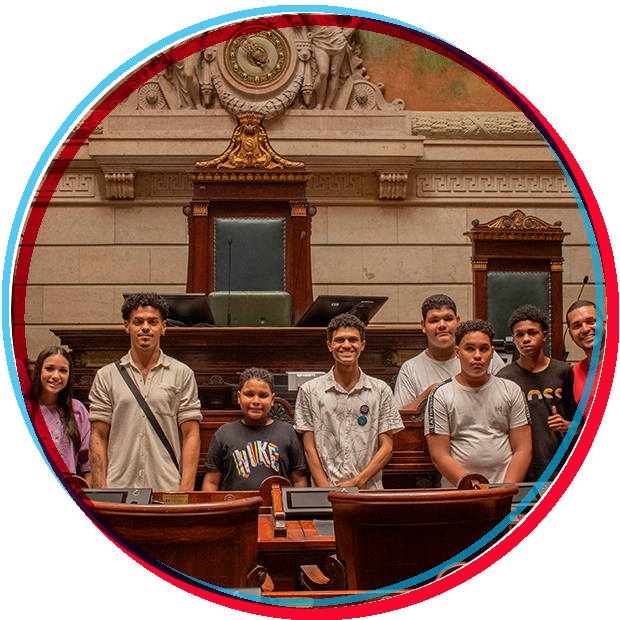
Legenda: Caption: Gathering at Colégio Estadual Professor João Borges, in Nova Holanda. Photo:@Dougloppes

Actions


In 2024, the first edition of LabMaré held a series of activities at Colégio Estadual Professor João Borges de Moraes, in Nova Holanda favela. The actions were designed by project participants, selected through a public call aligned with the five thematic axes and facilities of Redes da Maré.

As a result, initiatives related to solid waste management, community gardens, and science communication coexisted alongside activities such as reading clubs, ballrooms, sports classes, menstrual education workshops, documentaries, and urban interventions.

The Lab trained, encouraged, and supported 12 community projects, which underwent a training process focused on participatory methodologies and valuing local knowledge. The activities provided space for important discussions about Maré's history of struggle, social mobilization processes, and collective paths for change, strengthening the leadership of local agents.


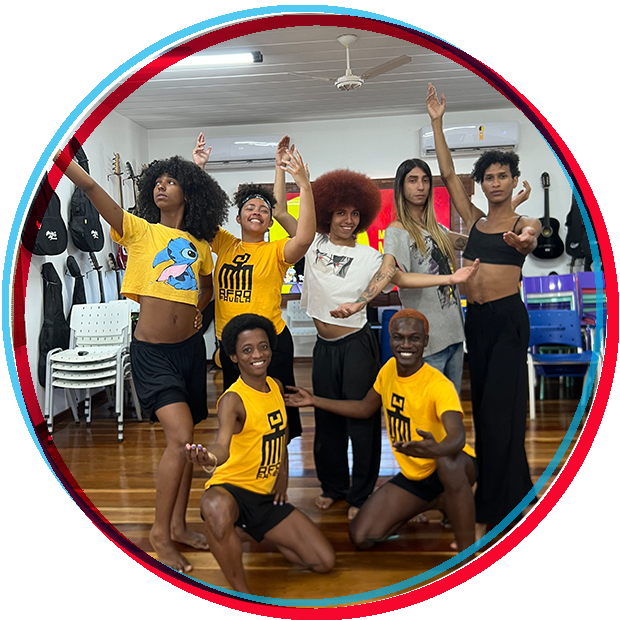
#Afrofavela

The project’s mission is to develop and produce Black LGBTQIAPN+ artistic practices, expanding education through practical classes and educational activities primarily focused on Black dance traditions. Its main pillars include research, creation, and the production of methodological, artistic, theoretical, and practical knowledge, aiming to preserve the cultural and technological legacy inherent in Black ways of life in favelas, peripheries, and suburbs.


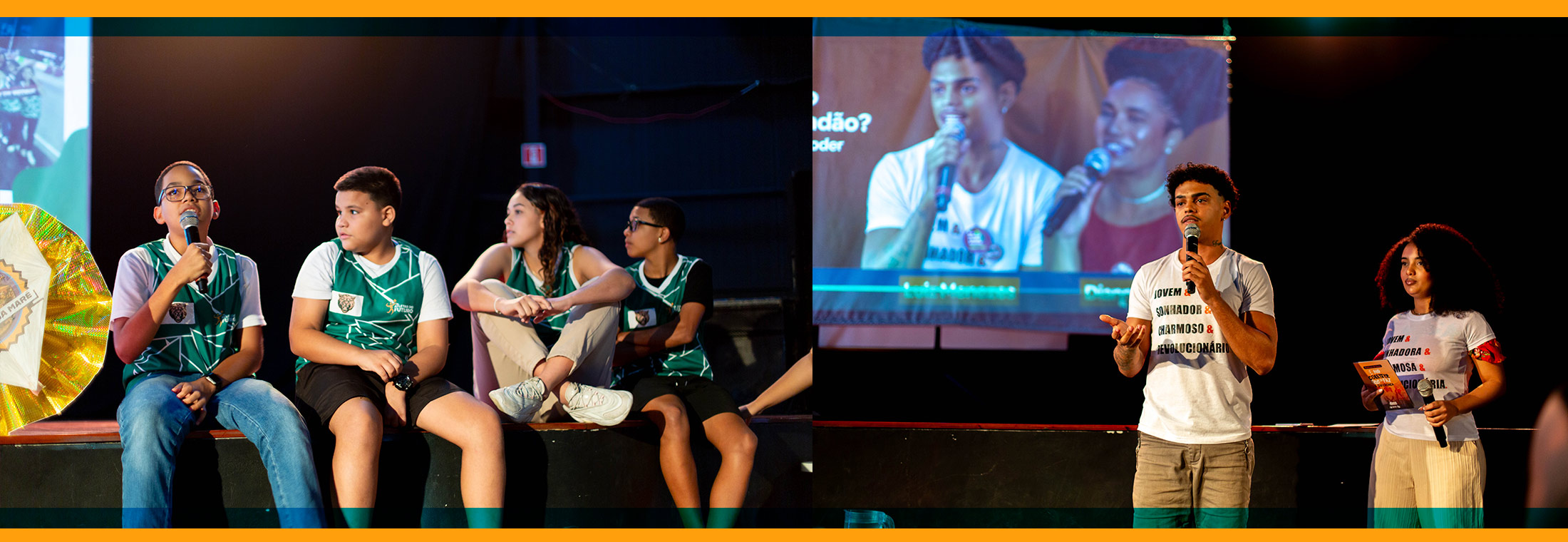
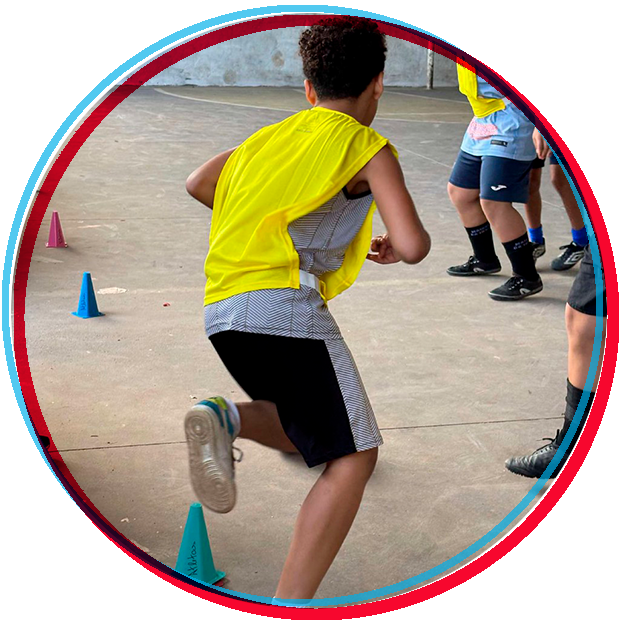
#Athletes of the Future  

This sports promotion project offers volleyball, futsal, basketball, and other classes. It also organizes health talks and cultural and sports trips, aiming to encourage healthy habits, motor skills, self-confidence, and social interaction among children and adolescents from Maré. Mental health is also addressed through workshops on feelings and emotions.


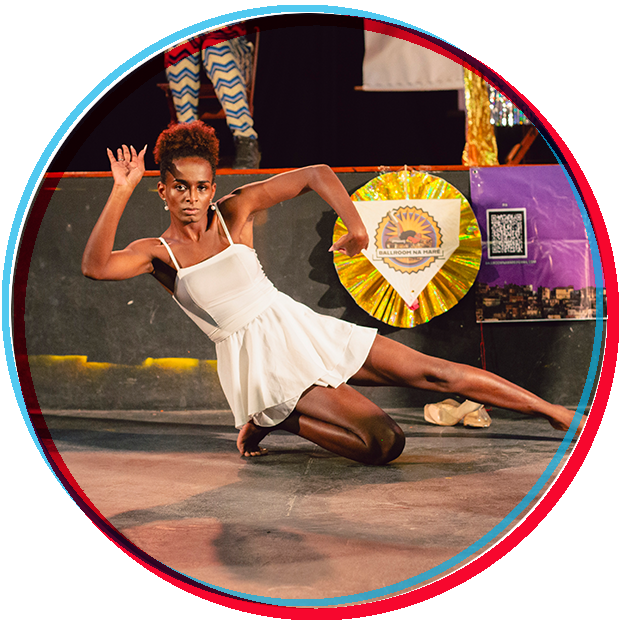
#Ballroom in Maré

The project values Black, LGBTQIAPN+, and peripheral bodies through the Ballroom community, offering a new perspective on these groups through events, reflection meetings, and discussion circles. The performances highlight and celebrate the beauty of these bodies, aiming to raise awareness.


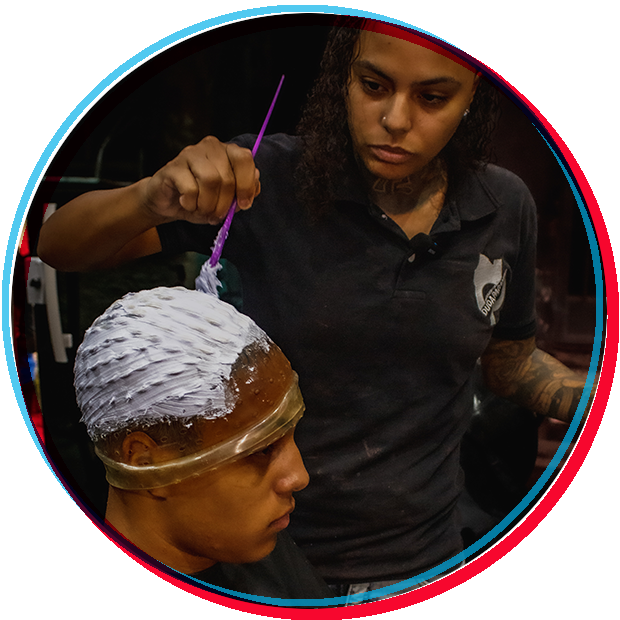
#Barbers: Cuts of Life

This documentary portrays the journey of barbers from the Maré favelas, addressing themes such as entrepreneurship, social and economic mobility. It showcases the daily lives of barbers Duda and Rogério and their impact on the community.


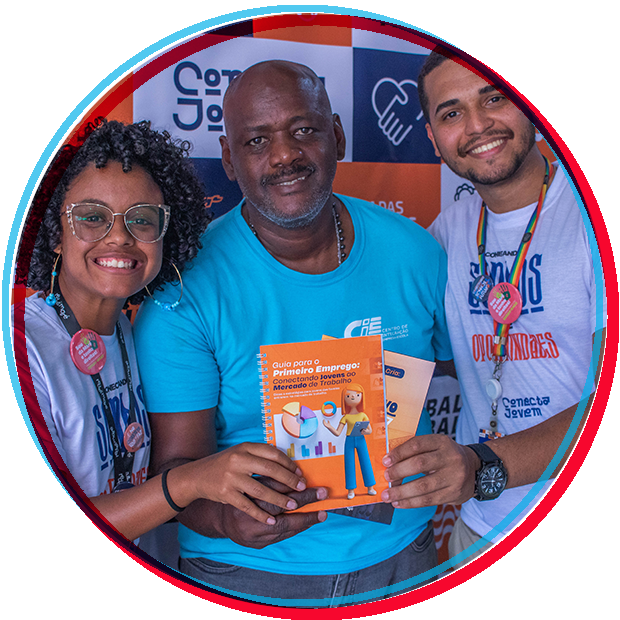
#Youth Connection

This project consists of monthly training cycles, divided into weekly meetings, covering essential topics for the professional development of young people. These sessions provide practical knowledge and guidance to help participants enter the job market.


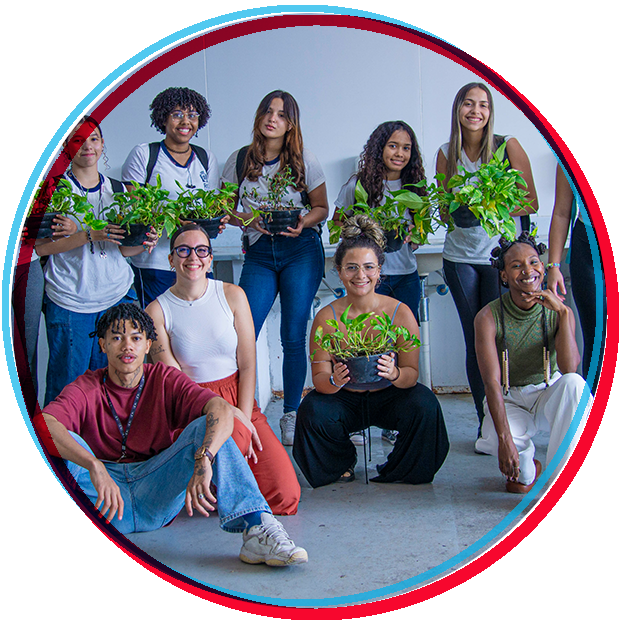
#Ecogenerations

Ecogenerations is a socio-environmental journalism project by DIJO – Peripheral Alternative Media, carried out in partnership with collaborators at the 2016 Olympics Technological Gymnasium, a school located in the Maré favelas. Its goal is to inform and raise awareness among students about the environmental and climate crisis, with a focus on issues directly affecting the Maré territory.


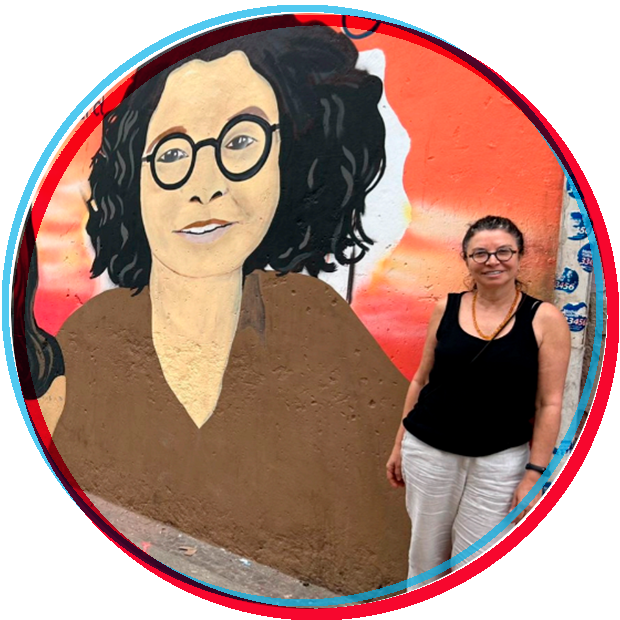
#Arts Gathering

This initiative operates in the Maré favelas to democratize access to art and culture. Within LabMaré, the project proposed creating an open-air mural that recovers memories of local historical figures to strengthen the residents' sense of identity and belonging. It aims to honor these legacies and broaden access to artistic and cultural diversity in the community.


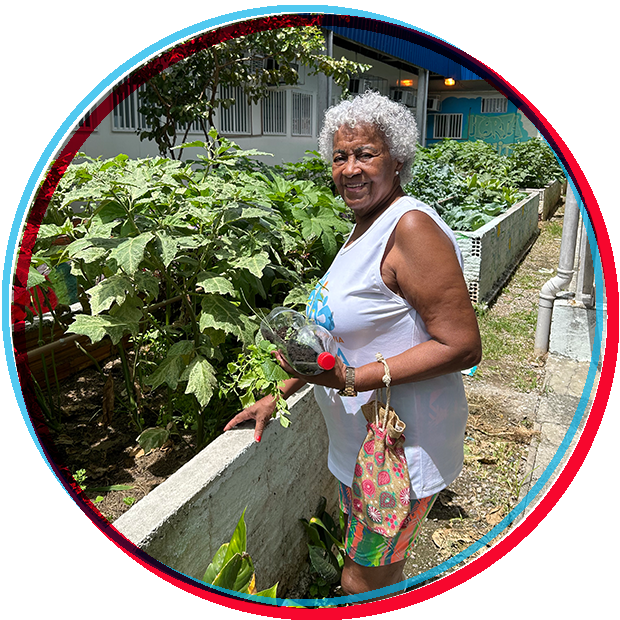
#Community Garden

The Community Garden is a collective and sustainable food-growing space designed to address food insecurity, lack of access to healthy foods, and disconnection from nature. The project promotes practical and educational activities, providing fresh food, raising environmental awareness, and improving residents' quality of life.


#Young Citizen

This program develops leadership for social transformation by training young people to become aware of their rights and duties as citizens. Participants receive training to actively engage in the social and political transformation of their territories, contributing to a more just, democratic, and inclusive society. The training cycles cover socio-political topics and feature guest speakers who are experts in these areas.


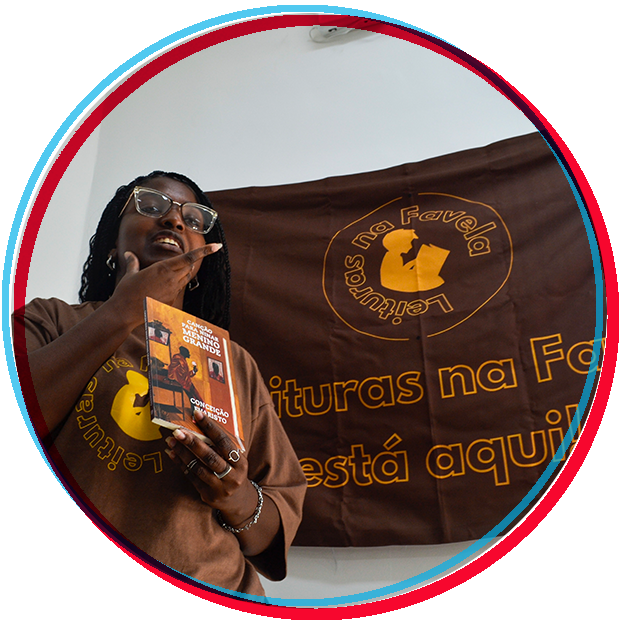
#Reading in the Favela

The project aims to develop critical readers within Maré’s Youth and Adult Education programs. It views reading as a tool for reflection, self-esteem, identification, and leisure, especially during this period of school re-engagement. The initiative organizes reading circles and book distributions at the Jorge Amado Municipal Library.


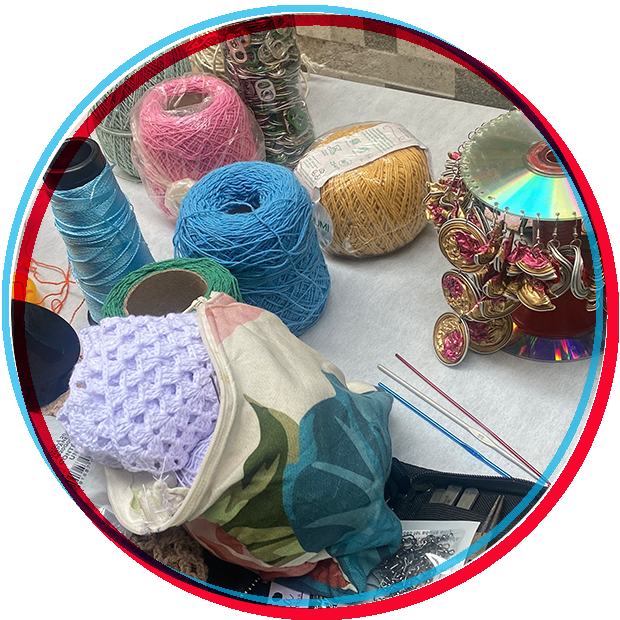
#Recreating Maré

These workshops aim to transform waste into resources and train women in circular economy practices through sustainable crafts. The project emphasizes female empowerment and creates new economic opportunities for women living in Maré.


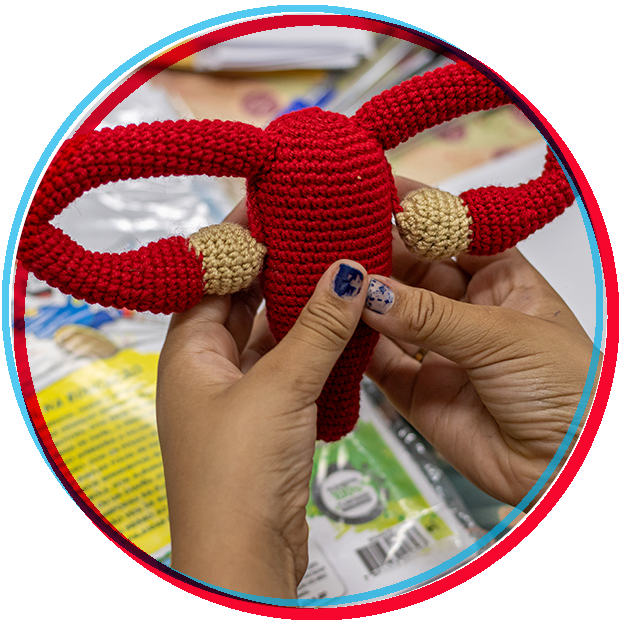
#Stay in the Cycle

This project promotes menstrual, sexual, and reproductive health education, aiming to guarantee menstrual dignity and encourage self-care in the favelas. Through interactive workshops, participants discuss menstruation, STIs, and body care. The methodology fosters dialogue, breaks taboos, and strengthens autonomy.


Team

General Coordination: Eliana Sousa Silva, Kelly Cristine Marques da Silva

Executive Coordination: Everton Pereira da Silva, João Sousa e Silva

Executive Support: Alessandra Prado de Oliveira Silva

Methodological Coordination:Cinthia Mendonça

Mentors: Brenda Vitória Pacífico Pinto, Carlos Henrique Vieira da Cunha, Juliana Leite da Silva, Marcos Silva de Melo, Affonso Dalua

NEWS


RELATED PROJECTS

Stay tuned! Sign up for our newsletter